Share


Walk through a residential neighbourhood in Seoul or a quiet courtyard in the South Korean countryside during the final weeks of November, and the air smells unmistakably of crushed garlic, fiery chilli flakes, and fermented sea salt. Stacks of pale green napa cabbages sit piled high in plastic basins, while groups of family members, neighbours, and friends kneel side by side on woven mats, their forearms encased in bright red rubber gloves. This is gimjang, the annual Korean tradition of preparing massive quantities of kimchi to sustain households through the harsh, freezing months of winter.
Recognised by UNESCO in 2013 as an Intangible Cultural Heritage of Humanity, gimjang is far more than a marathon cooking session. It is an intricate choreography of agricultural timing, microbial science, and deep social solidarity that has shaped Korean life for centuries.
Why Late November Holds The Key To Winter Survival
Historically, the Korean peninsula endured brutal winters where temperatures plunged well below freezing from December through March. Fresh green vegetables vanished from the fields, leaving families vulnerable to severe nutritional deficiencies during the coldest months. Out of necessity, Koreans perfected the art of lactic acid fermentation, transforming autumn harvests into vitamin-rich preserves that could survive sub-zero temperatures without spoiling.
Timing is everything in gimjang. Families watch the autumn weather forecasts closely, waiting for the precise window in late November when daytime temperatures hover around five degrees Celsius and nighttime lows dip just below zero. If the cabbages are salted and packed too early in the autumn warmth, fermentation accelerates too quickly, turning the kimchi overly sour and mushy before January arrives. Wait too late into December, and the cabbages freeze in the fields before they can be harvested. That brief late-November sweet spot allows the cabbages to develop maximum natural sweetness while ensuring a slow, crisp fermentation throughout the winter.
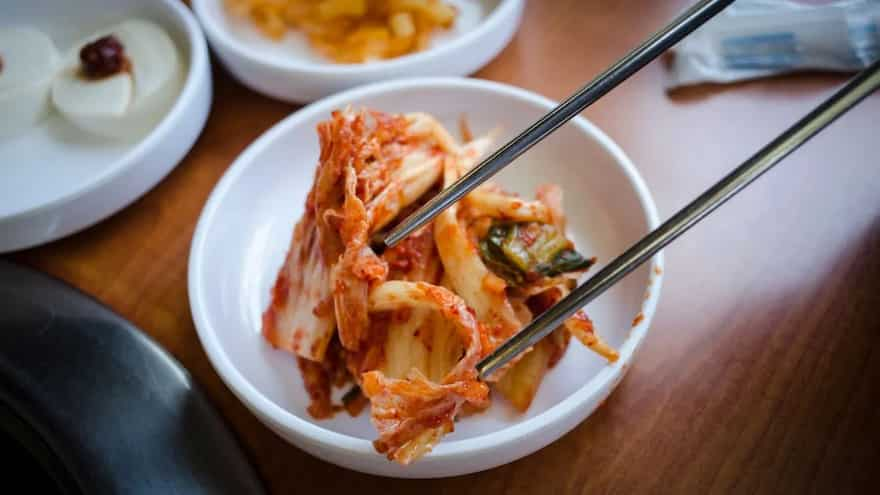 Image credit: Pexels
The Anatomy Of An Authentic Gimjang Harvest
Making kimchi for an entire season requires far more than tossing vegetables in spice paste. Gimjang unfolds over two or three labour-intensive days, governed by unwritten rules passed down through generations.
The process begins with baechu, dense heads of napa cabbage harvested at their autumn peak. Cooks slice each head lengthwise and submerge them in a carefully calibrated brine of coarse sea salt, known as cheonilyeom. Over eight to twelve hours, osmosis draws excess moisture out of the leaves, wilting the crisp stalks until they become pliable enough to fold without snapping. Rinsing the salted cabbages three times in cold water and leaving them to drain removes surplus salinity while preserving a clean, sweet crunch.
While the cabbages drain, attention shifts to the yangnyeom, the vibrant crimson seasoning paste that gives winter kimchi its depth and heat. Cooks julienne crisp Korean radishes into fine matchsticks and mix them with coarse red chilli powder called gochugaru, minced garlic, grated ginger, chopped spring onions, and sweet Asian pear for subtle fruitiness. To build complex umami, coastal households add raw oysters or fresh squid, while inland families incorporate fermented shrimp paste known as saeujeot alongside rich anchovy fish sauce. A spoonful of cooled glutinous rice porridge binds the paste together and feeds the beneficial lactobacillus bacteria that drive fermentation.
Once the paste is mixed, the assembly line begins. Kneeling around low tables or tarpaulins, participants separate each individual leaf of the wilted cabbage, painting the crimson seasoning from the thick white stem all the way to the ruffled green tip. Each coated half is folded neatly inside its own outer leaf, forming a tight, self-contained parcel before being packed into storage containers.
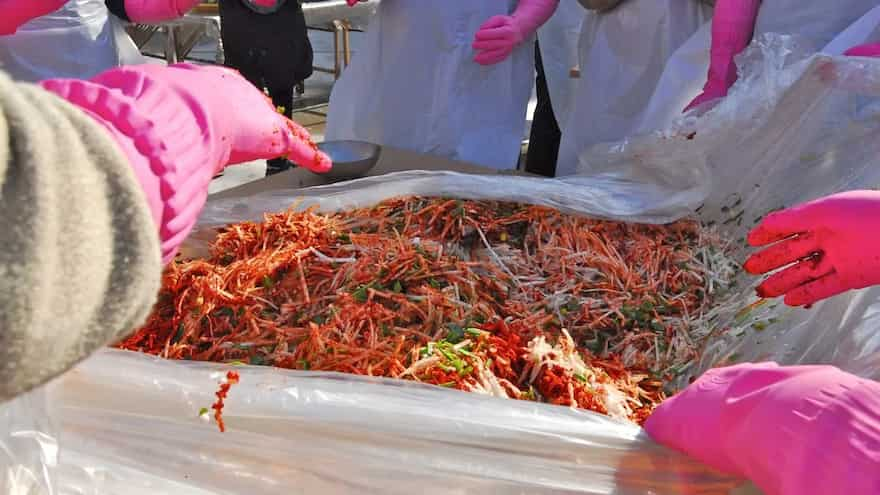 Image credit: Wikimedia Commons
From Buried Clay Jars to Modern Apartment Balconies
For centuries, finished gimjang kimchi was stored in onggi, large, breathable earthenware jars glazed with natural wood ash. Families dug deep trenches in their courtyards, burying the jars up to their necks in the earth. Soil acts as a natural insulator, shielding the kimchi from sudden temperature swings and maintaining a constant, cool environment just above freezing.
As South Korea rapidly urbanised in the late twentieth century, concrete high-rises replaced courtyard homes, threatening the survival of traditional storage methods. Korean appliance engineers responded with an invention found in almost every modern household today: the kimchi refrigerator. Unlike standard fridges that cycle warm and cold air, these specialised units maintain ultra-precise temperatures and mimic the gentle, earth-insulated conditions of buried onggi jars, keeping winter kimchi crisp until spring.
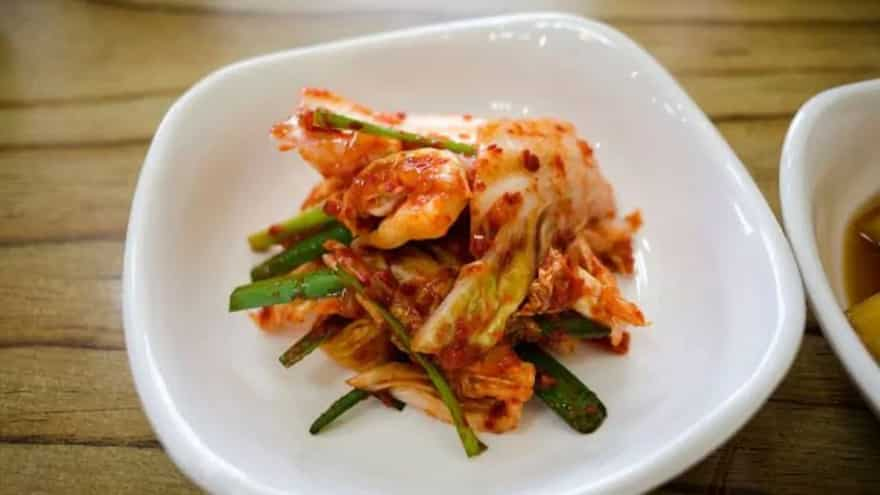 Image credit: Pexels
A Familiar Echo Of Seasonal Preservation
For anyone raised in an Indian household, the spirit of gimjang feels remarkably familiar. Across India, the changing of seasons has always triggered communal kitchen rituals designed to capture fleeting harvests. Whether it is drying raw mangoes on sunny rooftops in May, grinding mustard and fenugreek for jars of winter achar, or sun-curing papads and vadis with extended family, the underlying philosophy is identical. Both cultures understand that preserving food is an act of foresight, thrift, and care for those gathered around the dinner table.
Just as no two Indian households share the exact same recipe for mango pickle, every Korean family guards its own regional variation of gimjang kimchi. In the chilly northern regions around Seoul, seasonings tend to be lighter, cleaner, and less salty, allowing the natural sweetness of the cabbage to shine. Travel south toward Jeolla Province, and the paste grows noticeably bolder, richer, and heavier on fermented seafood and chilli heat.
 Image credit: Pexels
Community Spirit In Every Jar
Perhaps the true magic of gimjang lies not in the jars themselves, but in the hands that fill them. Processing fifty to a hundred cabbages in a single weekend is physically exhausting work that no single cook could easily manage alone. Historically, rural villages practised pumasi, a system of reciprocal labour where neighbours moved from house to house over several weeks, pooling their energy to complete every family’s winter supply together.
Even in today’s fast-paced cities, gimjang remains a powerful social glue. Adult children travel home for the weekend to help their parents knead seasoning paste, sharing steamed pork belly known as bossam alongside fresh, unfermented kimchi leaves as a mid-afternoon reward. Across Seoul, municipal plazas host massive public gimjang festivals where thousands of volunteers, office workers, and international visitors gather at long tables to pack tonnes of kimchi for elderly residents and low-income families.
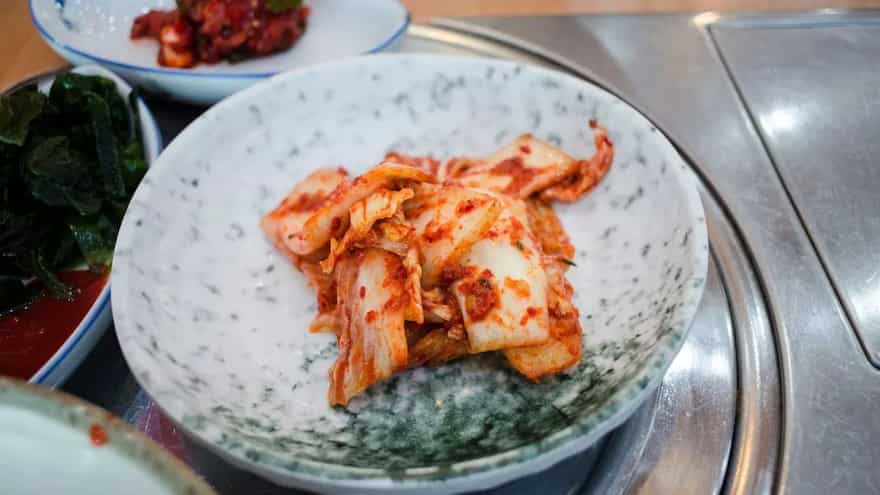 Image credit: Pexels
In an era when supermarket shelves offer year-round convenience, gimjang endures because it anchors people to the rhythm of the seasons and to one another. When a Korean family opens a container of winter kimchi in the dead of February, they taste more than fermented cabbage and chilli; they taste the warmth of a shared November afternoon, bottled to carry them safely toward spring.