


 Share
Share

Mint or pudina is one of the easiest herbs to grow at home. Its bright green colour, refreshing fragrance, and cooling properties make mint perfect to use in teas, summer beverages, salads, and even in desserts. Unlike many other herbs, mint is hardy and grows rapidly, which means you can enjoy its fresh leaves all summer long if you nurture it well and sow the seeds at the start of the season.
Growing mint at home is not just about planting a few stems, thinking the rest can happen on its own, but it’s about knowing about its growth habits, the soil choices, watering requirements, and how to keep it flourishing. With a little attention to detail and care, you can turn a small pot, a balcony planter, or a garden corner into a lush patch of mint that you can use throughout the summer season. Beyond just the cooking, having mint in the surroundings also helps in making a refreshing atmosphere, repelling insects, and giving a splash of greenery to your home.
Tips To Grow Mint In Your Kitchen Garden
Here’s how you can get the best mint harvest this summer, so that you can use it whenever you want without having a grocery run every time you want to use it.
Picking Up The Right Variety
Before proceeding, it is very important to know the types of mint that are available and the one you want to use, as each has different flavours and growth habits. Spearmint is quite hardy and flourishes quickly, making it perfect for beginners. Peppermint has a much stronger aroma, which is perfect to use in teas or cocktails, whereas chocolate mint gives a sweet twist to desserts. When picking up a variety, first be clear how you plan to use it in your everyday meals. Beginning with a healthy plant from a nursery or propagation from cuttings guarantees a strong start and decreases the risk of pests or slow growth.
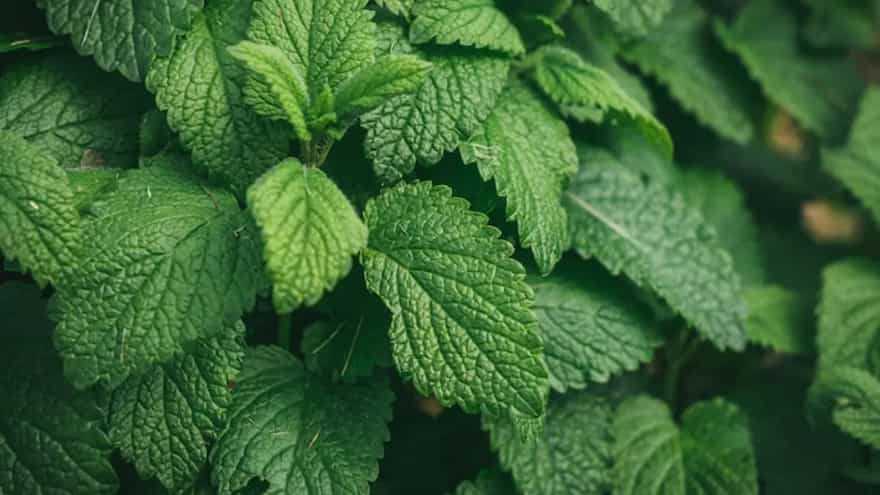
(Image credit: Freepik)
Potting And Soil Requirements
Mint likes slightly acidic to neutral soil, which is rich in organic matter. A mix of garden soil, compost, and a little sand provides good drainage and aeration. While mint can grow in the ground, a pot or container gives better control and prevents it from spreading out in vast areas. For this, use a wide, shallow pot, as mint spreads horizontally. Make sure the pot or container has drainage holes so there is no waterlogging when you water the plant. Light, well-drained soil not only promotes lush green leaves but also enhances the flavour intensity of the mint leaves.
Sunlight Placement
Mint flourishes in partial sunlight but can also tolerate full sun if watered regularly. If placed indoors, place it near a bright window where it can get up to 4 to 6 hours of indirect sunlight. Outdoors, morning sun is ideal, with afternoon shade during the hot months. Too little sunlight can also make the leaves turn weak and pale, whereas too much direct sunlight without water can burn them. Observing how the mint responds to different spots can also help in adjusting the placement, providing a consistently healthy and aromatic plant.
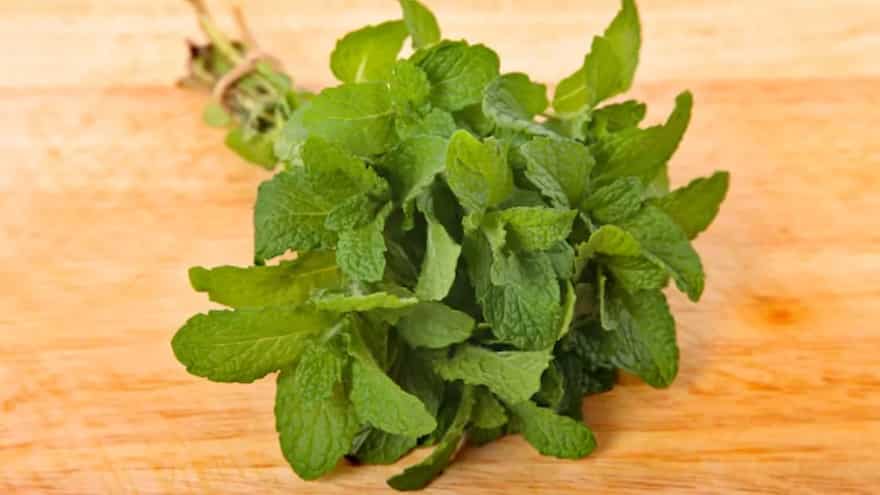
(Image credit: Freepik)
Watering And Humidity
Mint likes consistently moist soil, but it cannot tolerate soggy conditions. Water whenever the top layer of soil feels dry. In pots, water lightly but continually to maintain moisture without overwatering. During hot summer months, mist the leaves sometimes to maintain the humidity. Avoid wetting the leaves too much, as it can lead to fungal issues. Consistent hydration keeps the leaves soft and aromatic, which in turn enhances the taste when it is used in meals. Proper watering ensures a constant supply of fresh leaves throughout the summer season, so that you can simply pick, blend and add to your everyday meals in the desired way.
Pruning And Harvesting
Regular pruning promotes bushier growth and prevents flowering, which makes the leaves bitter. Pinch off the tips of stems every few weeks, particularly the top few inches. Harvest leaves as required rather than all at once, cut from the top and leave enough foliage for the plant so that it can continue growing. Pruned stems can be used in teas, sauces, or even for garnishing. With frequent harvesting, the plant revives faster, giving you a steady supply of tender, aromatic mint all season long.
Pest Management Naturally
Mint is naturally pest-resistant, but aphids, spider mites, or whiteflies can sometimes appear. Using neem oil, light soapy water sprays, or simply rinsing the leaves under running water can control the infestations naturally. Companion plants growing with basil, chives, or marigolds can also help in repelling insects. Avoid chemical pesticides, as you will have to use mint for culinary use. Observing plants regularly and removing the damaged leaves early can ensure a healthy, lush crop that can you can safely enjoy in drinks, salads, and dishes without worry.




