Share
Share

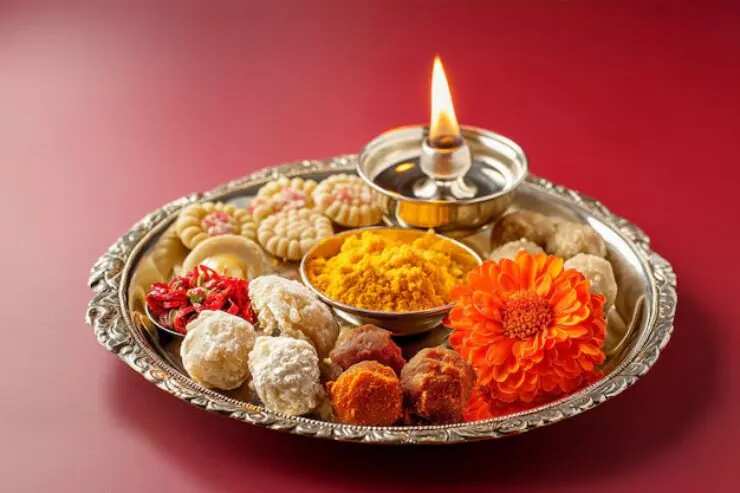
Karwa Chauth is one of the most celebrated Hindu festivals observed by married women, where they keep a day-long fast for the well-being, longevity, and wealth of their husbands. This year, it will be celebrated on October 10, 2025. The main attraction of this festival is the Karwa Chauth puja thali, a decorated plate that carries all the necessary items needed for the evening puja. While the pattern of the thali and items in it may differ across regions, the foods and offerings in it carry the same symbolic meaning.
Each item carries a unique significance, representing righteousness, wealth, marital love and the bond between husband and wife. Apart from the puja items, these foods also serve spiritual purposes, acting as offerings that seek the grace and prayers of the goddess. It is essential to understand the significance of each food item placed in the thali, which helps one connect with the ritual on a deeper level, making the fast a blend of faith, love, and tradition.
Karwa (Earthen Pot)
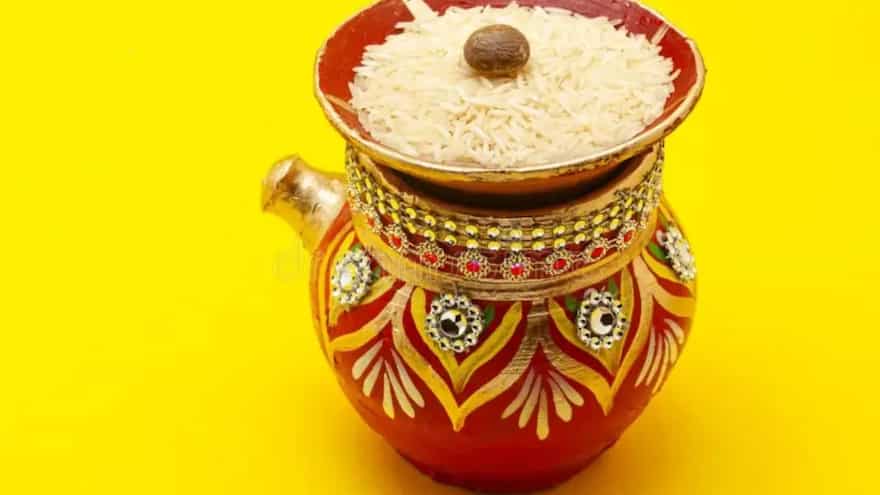
The karwa, or a small earthen pot, is the main accompaniment to the thali. Traditionally, it is filled with water or milk. The karwa symbolises good luck, love, and the strength of the marital bond. During the puja, women offer prayers to the karwa, aiming for longevity and well-being for their husbands. The karwa represents humility and clarity, maintaining the spiritual spirit of the fast.
Sweets
Sweets are an essential part of the puja thali, which usually contains laddoos, halwa, or Karwa Chauth mains pinnis and pheni. The sweets represent happiness, prosperity, and the sweetness of marital life. Offering sweets during the puja and then consuming them after breaking the day-long fast is considered to bring joy and happiness in the family. Every sweet holds its own cultural importance. For example, pinnis are rich and are energy boosting, which helps women regain strength after a day-long nirjala fast; halwa symbolises auspiciousness and seeking divine blessing, and pheni represents the indulgence in festivity after a day-long fast.
Fruits
Fruits like apples, bananas, and pomegranates are included in the puja thali due to their nutritional value. They also have water content, which helps in keeping the body hydrated throughout the day. Fruits signify fertility, plentiness, and purity. Offering fruits and then consuming them after the fast supplies a boost of energy. Each fruit has its special significance, for example, bananas symbolise prosperity, pomegranates are connected to fertility, and apples symbolise health and long life, adhering to the overall purpose of marital well-being, keeping in focus the Karwa Chauth festival.

Sindoor And Chunni
Sindoor or vermilion and chunni are traditional symbols of married status for women. Applying sindoor is a ritual that represents the sanctity of marriage and the husband’s longevity. The chunni adds reverence and love, which enhances the spiritual atmosphere of the puja. When kept together, they remind us of marital duties and blessings, strengthening cultural identity. Including sindoor and chunni in the thali connects the ritual to age-old traditions, showing respect, love, and promise within the marital bond.
Water And Milk
Water and milk are considered pure, holy, and refining in Hindu rituals. These are placed in the puja thali for offering to the deity, symbolising purity and spiritual cleansing. Water, the main accompaniment of this thali, is essential for rituals and also helps in keeping the body hydrated during the nirjala vrat, when no food or water is consumed. Milk represents purity, nourishment, and prosperity. Including these in the puja thali not only fulfils the ritualistic significance but also highlights the useful aspect of sustaining energy and hydration, making the fasting experience a balanced combination of devotion and care.
Diya
A diya, in the puja thali, symbolises light and hope in marital life. Lighting the diya represents spiritual awakening and the brightness of married life with love, as well as an acquaintance. The presence of a diya in the thali creates a sacred atmosphere for prayers. The flame also represents energy and resilience, empowering women to observe the fast with faith, love, and dedication.
Dry Fruits
Dry fruits such as almonds, cashews, raisins, and walnuts are put in the thali to deliver instant energy after a day-long fast. They represent health and energy. Having dry fruits after breaking the fast helps in restoring energy. Including dry fruits in the puja thali also symbolises generosity and surplus in the family.
Paan And Supari
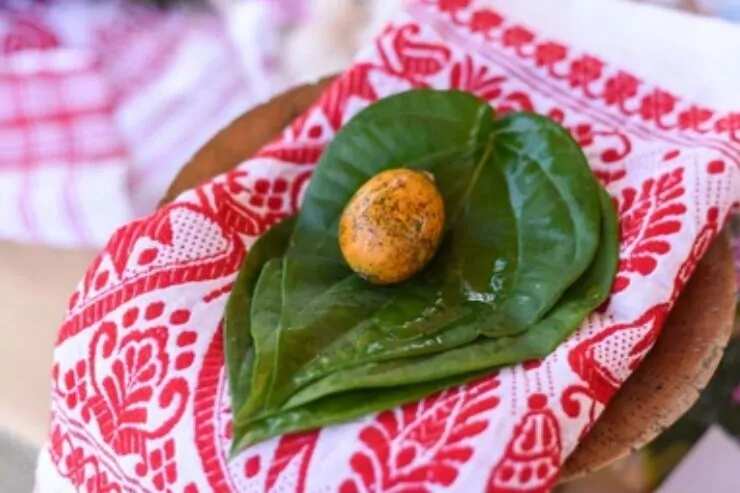
Betel leaves or paan and supari are classic traditional offerings in many Hindu ceremonies. They represent auspiciousness, prosperity, and marital bliss. Paan and supari are often presented to the goddess and later consumed as a digestive aid and a symbol of good luck. The paan or green betel leaf indicates freshness, whereas the supari adds richness to the ritual, revealing the harmony and balance required in marital life.