


 Share
Share

Karwa Chauth has always carried a sense of devotion that extends beyond fasting and rituals. The night holds a special role in this celebration, as women break their fast only after sighting the moon. The fragrance of flowers has long been a part of these rituals, with garlands, thalis, and decorations drawing from floral traditions across India. In recent years, home cooks and chefs have begun introducing edible flowers into the festive kitchen. Night-blooming varieties, known for their fragrance and association with moonlight, hold a natural place in Karwa Chauth meals. These flowers carry symbolic meanings that align beautifully with the festival’s themes of purity, renewal, and grace. Cooking with them introduces an element of thoughtfulness to the meal, blending beauty and cultural depth in a way that feels both traditional and new.

1. Jasmine: Fragrant Additions To Festive Meals
Jasmine, or mogra, opens its petals in the evening and fills the air with a scent that has defined Indian nights for generations. Beyond its use in garlands and oils, jasmine can be used delicately in the kitchen. The fresh petals can be infused into milk to create a naturally aromatic kheer or phirni. Jasmine rice, a fragrant preparation that draws from Southeast Asian traditions, has also found a place in Indian homes. When paired with saffron or rose water, it creates a dish that feels festive and balanced. A few cooks also prepare jasmine-infused tea as part of the pre-fast hydration ritual. The key to using jasmine safely in food lies in sourcing organically grown flowers that have not been exposed to pesticides.

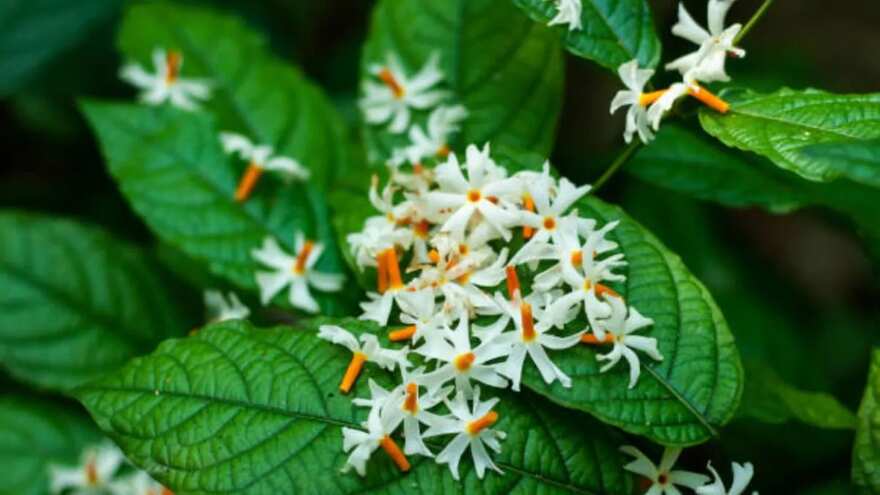
2. Parijat: A Symbolic Flower With Delicate Flavour
Parijat, also called the night-flowering jasmine, carries deep cultural significance in India. The flower blooms at night and falls to the ground by morning, symbolising humility and devotion. In Ayurveda, parijat flowers are used for their calming and anti-inflammatory properties. They are often steeped in warm water to make a gentle tea that is said to support digestion and relaxation during fasting. Some regions in eastern and northern India prepare light syrups or infusions from the flowers to flavour traditional sweets. The subtle bitterness of parijat balances the sweetness of jaggery and cardamom, creating desserts that feel refined and rooted in heritage.
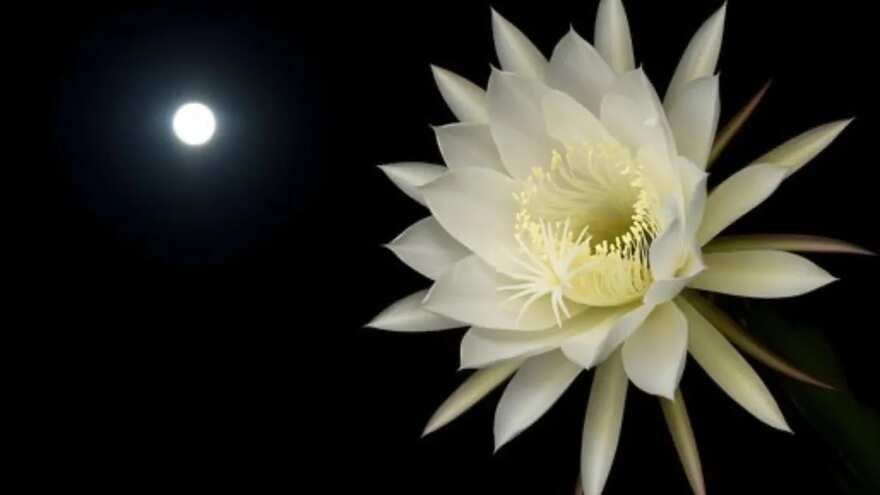
3. Night-Blooming Cereus: A Rare Ingredient For Culinary Experimentation
The night-blooming cereus, also known as Brahma Kamal in the Himalayan regions, blooms only once a year and has been part of spiritual and medicinal traditions for centuries. It is sometimes used in herbal tonics in Uttarakhand and Sikkim, where local communities prepare infusions for wellness. In very small quantities, its petals can be used to flavour syrups or fruit-based desserts. While it is not commonly found in markets, a few hill communities cultivate it as part of their local heritage. For those observing Karwa Chauth, this flower symbolises the rare and precious bond between fasting and faith, adding a thoughtful dimension to the feast.
4. Tuberose: Enhancing Drinks And Desserts
Tuberose, or rajnigandha, releases its scent after sunset and is celebrated for its lasting fragrance. Though used more often in perfumery, its culinary applications are beginning to find recognition. The petals can be steeped in coconut milk or almond milk to make a delicate base for kheer or payasam. The infusion lends a faint sweetness that complements dry fruits and ghee. In a few modern interpretations, chefs use tuberose to scent syrups for mocktails or sharbat served at the end of the fast. The use of this flower in food is still limited, yet its fragrance aligns beautifully with the nocturnal character of Karwa Chauth.

5. Moonflower: Connecting Nature And Celebration
The moonflower, known for opening under the moonlight, carries a natural link to Karwa Chauth. Its white petals represent purity and grace, qualities often associated with the festival’s rituals. While the ornamental variety is not edible, a few species related to the morning glory family are used in regional cuisines, especially in coastal and eastern India. These edible varieties are cooked as fritters or added to light lentil-based dishes. Their tender texture pairs well with gram flour and mild spices. Preparing them as part of a meal served after the fast creates a connection between the symbolism of the moon and the food that nourishes the body after the day’s devotion.




