


 Share
Share

"Shyama maa ki amar kalo re,
Shyama maa ki amar kalo.
Loke bole kali kalo,
Amar mon to bole na kalore.
Kalo roope digombori,
Hridipadyo kare mor alo re."
This song, written by Kamalakanta Bhattacharya and sung by Pannalal Bhattacharya, can sum up the vibe of Kali Puja in Kolkata. Whether it's Dakshineshwar, Kalighat, or Thonthonia Kalibari, the rituals may differ, but the devotion to Maa Kali is heavenly across the city. Though formally called Kali Puja, it’s more of Kalipujo or Shyamapuja for Bengalis in Kolkata. Shyamasangeet (songs devoted to Maa Kali) is another famous genre of music you will experience during this festival in every pandal. Even Satyajit Ray had added one of these devotional songs, Bol Maa Tara darai kotha, in Feluda's Sheyal Debota Rahasya. 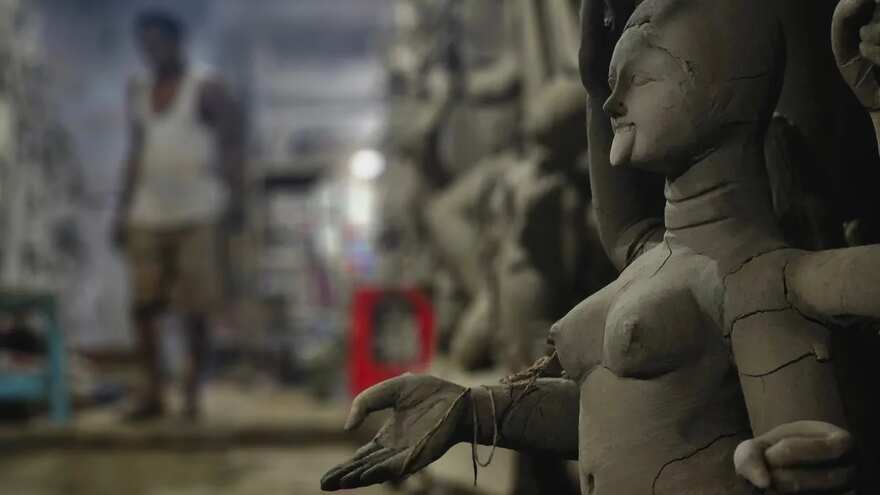
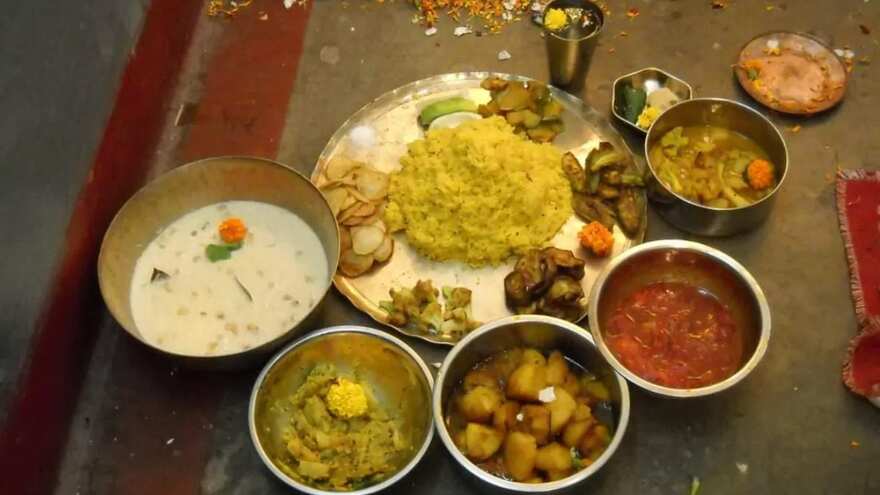
From Bhog er Khichuri to payesh, Kalipujo has its own array of menu that’s traditionally maintained. The food is first offered to the goddess as a part of respect and love, after which it is distributed among the devotees as prasad, a blessed offering. Vegetarian bhog for Kali Puja generally comprises Khichudi, pulao, luchi, five types of vegetables, chutney, and payesh. Among Non-vegetarian dishes are various types of fish such as Rohu, Catfish, Bhetki, and, in some rituals, Hilsa.
The ‘Celebration of Lights’ in Kolkata figuratively and literally comes true throughout the city. We name it ‘Deepavali’. It’s Diwali all across the country when devotees worship Goddess Lakshmi, and the City of Joy embraces the divine vibe of Maa Kali. The significance of this festival is to seek protection, empowerment, and liberation from evil forces. In Bengali culture, this Puja on the new moon night (Amavasya) of Kartika is seen as a victory over evil.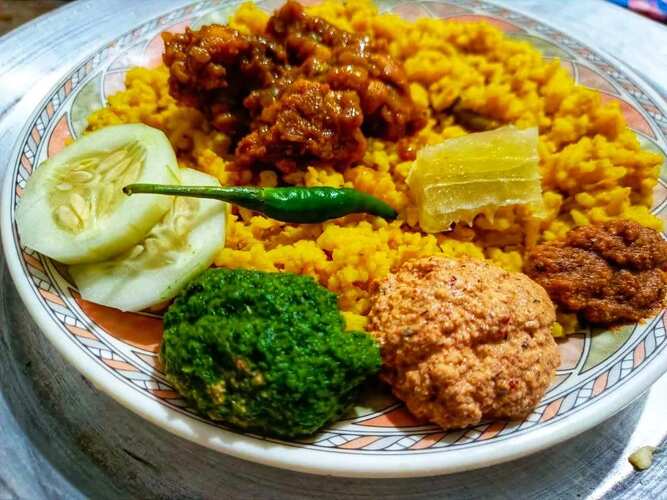
Image Credit: Wiki Commons
Origin of Kali Puja
Several rituals are there for Kalipuja according to the Hindu Shastra. Festival origins lie in worship for Goddess Kali, who represents Shakti's fierce and protective qualities. Kali symbolises destruction, renewal, and transformation. Kali has been worshipped for centuries as the goddess who destroys evil and maintains order. Kolkata becomes a city of almighty devotion and celebration as lamps, fireworks, and hymns light up the night sky, honouring Kali in all her stunning glory.
Kolkata, formerly known as Calcutta, is believed to have been named after the goddess Kali, as the word "Kali" is derived from "Kalikshetra," meaning "the land of Kali." The city's deep-rooted connection to Kali is reflected in the numerous Kali temples, the most famous of which are the Kalighat Kali Temple and Dakshineswar Kali Temple.
Kali Puja follows Tantric rituals at midnight to invoke the goddess's fierce presence. Kali Puja in Kolkata celebrates the city's culture through faith, art, music, and community. Kali pandals and idols are often ornate, reflecting spiritual devotion and artistic expression. As the city celebrates the goddess, dhak (traditional drums), mantras, and fireworks fill the air.
The Sacred Bhog of Kali Puja
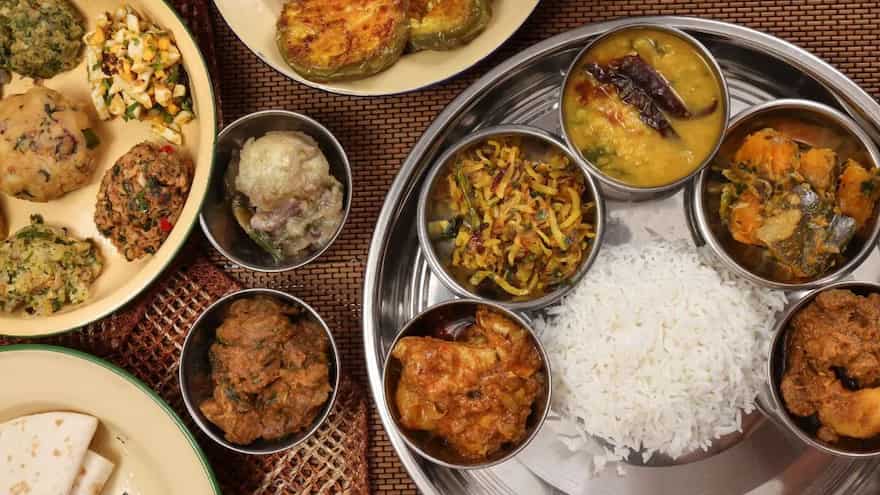
Kali Puja celebrations in Kolkata include food offerings that are prepared with great care and devotion, symbolising the gratitude and reverence of the devotees. The bhog items, ranging from rice and lentils to sweets and curries, embody purity and devotion.
Khichuri
When you are talking about Bengali puja celebrations, Khichuri is a must-have. With the right proportion of Gobindobhog rice, moong dal and vegetables, it’s a Kali Puja staple. This one-pot meal, offered to the goddess, represents simplicity and sustenance.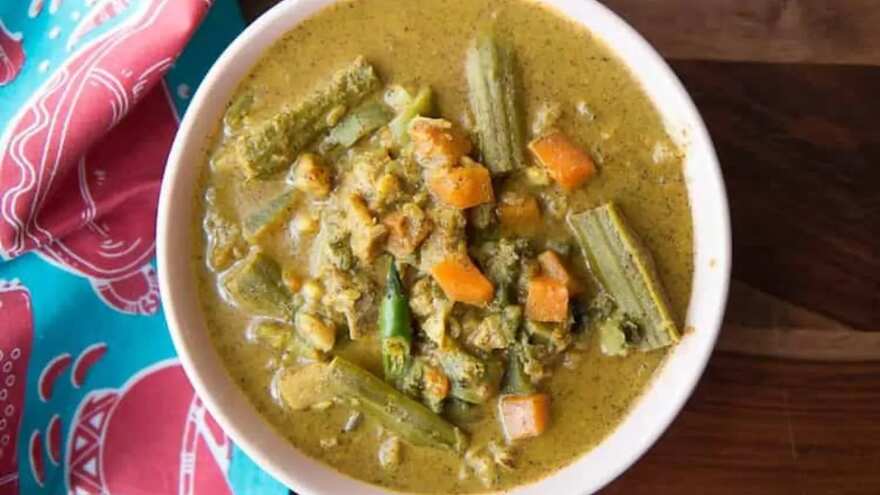
Labra (Mixed Vegetable Dish)
Labra is a traditional Bengali dish made with a mix of seasonal vegetables like pumpkin, cauliflower, peas, and carrots, all cooked together with spices. The addition of grated coconut and a little sugar to Labra is what makes it so special. This makes a great balance of sweet and savoury flavours. Khichuri is usually served with the dish, undoubtedly, which adds to its richness with the simplicity of vegetables.
Bhuna Khichuri (Dry Khichuri)
Apart from gobindobhog chaal er khichudi, Bhuna Khichuri is another must-have addition in Kali Puja bhog. Bhuni Khichudi is different from regular khichudi because it's dry and grainy. This version has vegetables like tomatoes, carrots, and beans in it, as well as spices like cumin and bay leaves. Devotees love offering to the goddess during Kali Puja because of its unique taste.
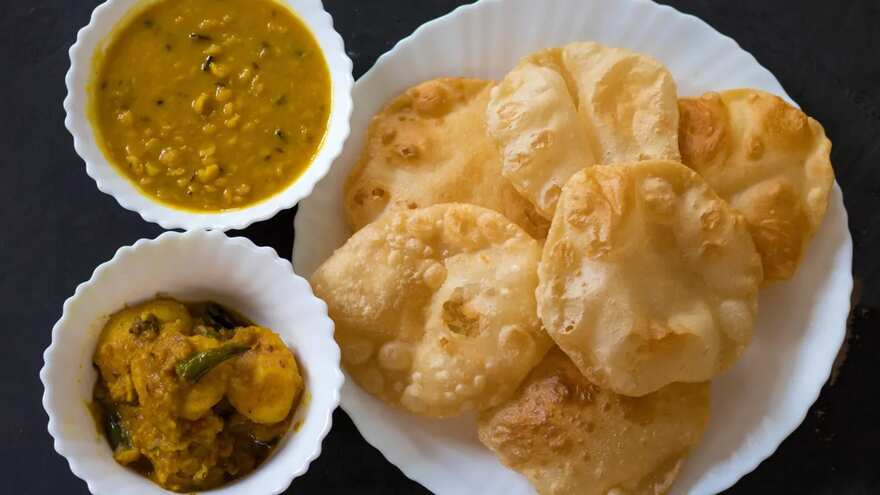
Luchi (Fried Flatbread)
Can you ever imagine Bengali occasions without luchi? Luchi is a Bengali deep-fried bread made from maida (all-purpose flour). Its soft and puffed texture makes it the perfect accompaniment to the rich curries and vegetable dishes served during Kali Puja. Luchi is often paired with potato curry (Aloo Dom) or other gravies as well.
Niramish Kosha Aloo Dom (Vegetarian Potato Curry)
Aloo Dom is a classic Bengali curry made with small potatoes and a mix of aromatic spices. In Kali Puja offerings, this dish is made without onion or garlic, following the traditional niramish (vegetarian) customs. The potatoes are slow-cooked in a gravy base made with tomatoes, yoghurt, and cashew paste, giving it a creamy texture.
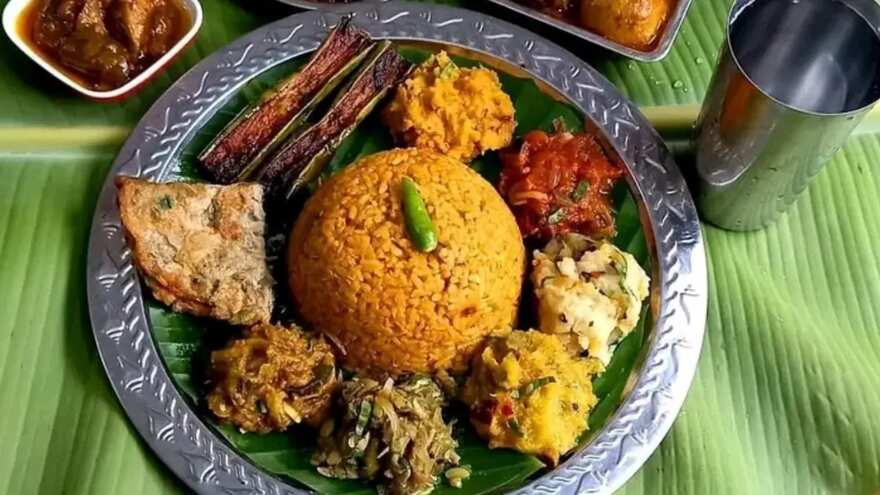
Niramish Mangsho
During Kali Pujo, Bengali mutton curry Niramish Kosha Mangsho is offered to Kali. In Bengali, "niramish" means "without meat"; in Kali Pujo, it means meat without onion and garlic. In Bengali cuisine, religious offerings are made without these ingredients out of respect. Thus, Niramish Mangsho is a unique mutton curry without onions or garlic.
The dish is usually made with tender, flavourful goat meat from a young, sacrificial goat. Ground spices like cumin, coriander, and garam masala give the dish its rich, aromatic flavour, while the absence of onion and garlic shows their purity. Although store-bought spices can be used, grinding them fresh adds authenticity.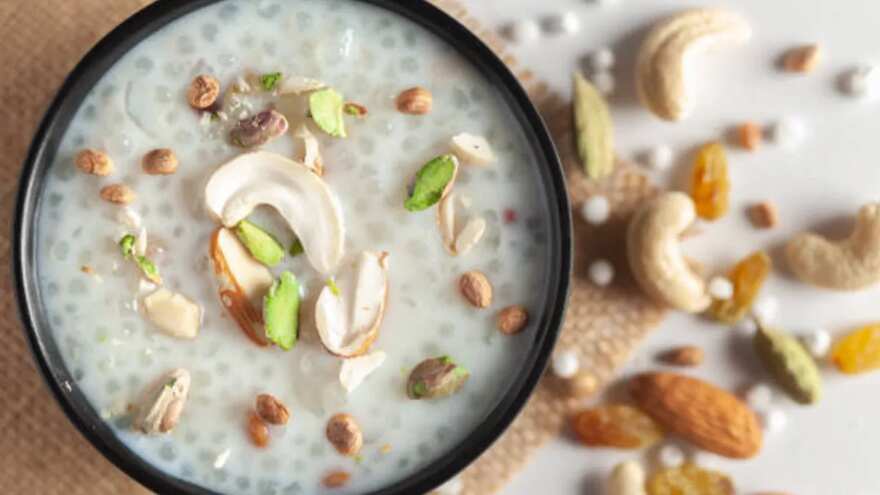
Image Credit: Wiki Commons
Payesh (Rice Pudding)
Chaal-er Payesh is the most auspicious part of any pujor bhog. No Bengali puja is complete without Payesh, a sweet rice pudding made from Gobindobhog rice, milk, and sugar. The dish is flavoured with cardamom and bay leaves, with a mild but aromatic sweetness. Payesh is a symbol of prosperity and is always included in the Kali Puja bhog as an offering of sweetness and blessings.
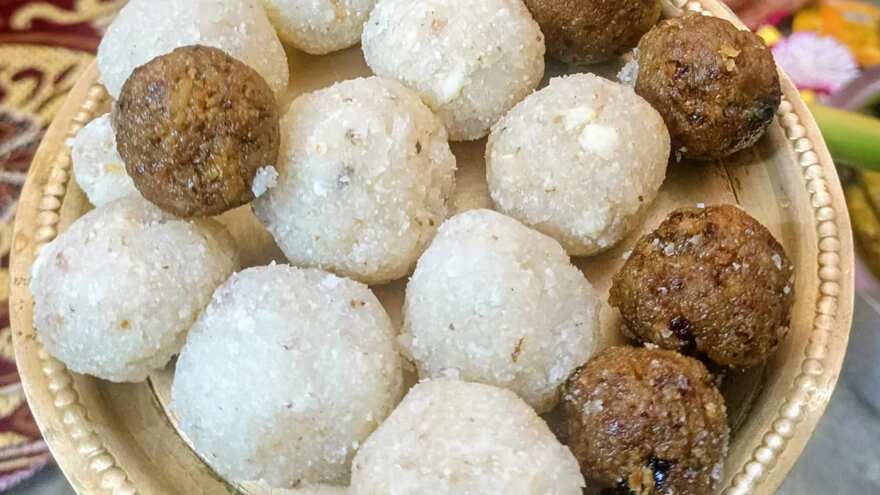
Narkel Naru
Another inseparable part of Bengali puja is Narkel Naru. is a simple yet delightful Bengali sweet made from grated coconut and jaggery. The mixture is shaped into small balls, offering a rich and sweet flavour. This sweet treat is a popular offering during Kali Puja. Both white narkel naru and naru made with jaggery have their fair share in the uniqueness of Bengali sweets. ‘Cheenir Naru’ and ‘Gur er Naru’ - are forever love!
Basanti Pulao
Be it for pujor bhog or a Bengali thali, Basanti Pulao is a mandatory part of it. Basanti Pulao is a fragrant, sweet rice dish made with Gobindobhog rice, ghee, sugar, and dry fruits. The subtle sweetness and aroma of the rice make it an ideal accompaniment to the savoury dishes in the bhog spread.
Chutney (Dry Fruit and Date Chutney)
Kali Pujor bhog is incomplete without this sweet addition of chutney. A tangy and sweet chutney made from fruits like mango, dates, or tamarind often accompanies the Kali Puja bhog. Often, dry fruits are added to the chutney for a better taste and texture.
Choddo Shaak (Fourteen Greens)
Choddo Shaak is a unique and traditional offering made from fourteen types of green leafy vegetables. This dish symbolises abundance and the importance of balance in nature, making it a perfect addition to the Kali Puja bhog.
Kali Puja is a spiritual festival that lets you connect with Goddess Kali's fierce and liberating energy. With devotion and love, bhog offerings appease the goddess and celebrate Maa Kali's nourishment. Kali Puja in Kolkata blends ancient traditions with modern art to create a vibrant atmosphere of devotion, celebration, and community.




