


 Share


Kali Puja is a festival commonly observed during the joyous and light-filled occasion of Diwali in several parts of India, such as West Bengal, Odisha, Assam, Tripura, and Jharkhand, along with the neighbouring nation of Bangladesh. Observed on the dark, new-moon night of the same period, this festive ritual has a different vocabulary. While the lessons we learn from such origin stories cannot be measured in words, most shirk from mentioning traditionally booed-upon items like liquor being used in the goddess’ puja. Only after you understand the reason and meaning behind its usage can the shame and misinformation associated with it be eradicated. Keeping an open mind can help trace the real reason behind the inclusion of alcohol in Kali Puja.
Believed to be a highly powerful and revered primordial Hindu goddess, Maa Kali is offered many objects for appeasement, from basic items like rice, sweets and fruit to tamasic ingredients like fish, meat and even alcohol. While these are not compulsory universal customs, they belong to a large sect of Shakta and Tantric practices which are practised by initiated sadhaks at home and in proper, consecrated temples or shaktipeeths. At temples and Shaktipeeths that practice Tantra, Kali pujo is more of a religious fervour and strict ritualistic observance for the goddess, comprising animal sacrifice and other surprisingly fascinating prasadam practices. But the frequency of such practices and offerings varies a lot, depending on sect rules and special Hindu calendar occasions or timings.
Among all the offerings, alcohol is perhaps the most intriguing, as it is popularly associated with being an intoxicant. However, in tantric worship, alcohol is considered madya (one of the Panchamakaras or representing tantric elements), a substance which is prepared ritually, anointed, and then offered to the deity. In Shaktipeeths like Tarapith, where Maa Tara, another form of the Adya Devi, is worshipped according to a distinct and unique Shakta-Tantric tradition, the liquor that reaches the Goddess is also served to purified, ordinary devotees, but not in the way they expect.
Why Is Liquor Used In Kali Puja?
Professor Soumyajit Chandra of The Bhawanipur Education Society College, an expert in Tantra and its relevance in Bengali culture, explains that in Tantric terminology, madya is the first of the Panchamakara, Panchatattva, or the five Ms or elements of tantra: madya (wine), mamsa (meat), matsya (fish), mudra (fried grains consumed with alcohol, known as chaat in common parlance) and maithuna (sexual intercourse). In simpler terms, these five m’s represent substances that are traditionally considered impure, problematic, or morally reprehensible, especially since the belief is driven by the idea that humanity knows no bounds while engaging with them.
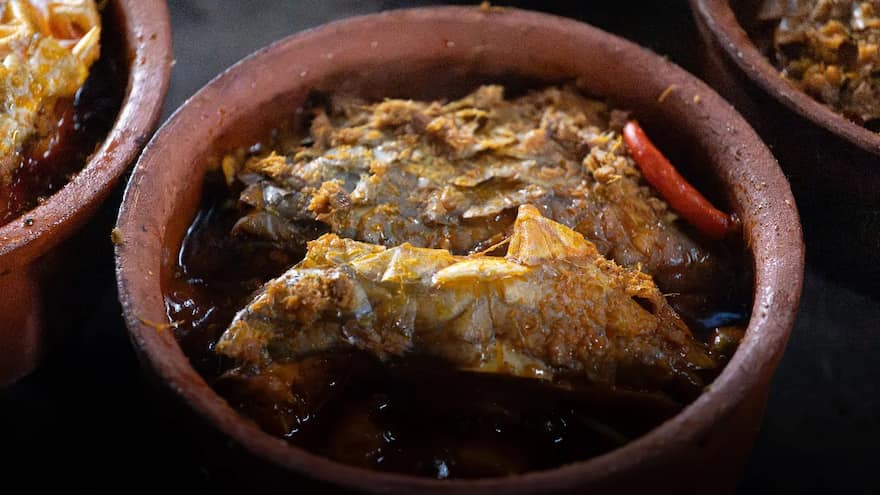
Image credit: Pexels
Professor Chandra offers a pragmatic explanation as to why these are a part of tantra. This is because tantra approaches transcendence not via drastic disengagement from the object of temptation like Rishis, but through a controlled and ritual involvement with it, always with the goal of transcending its tempting influence. So, besides its mystical and social significance, the inclusion of alcohol in tantric worship is also a way of achieving eventual transcendence.
On the other hand, Sri Gurusaran Banerjee, an esteemed member of the Tarapith Temple community, clarifies the symbolism of the use of liquor in sadhana and puja, especially on such special new moon occasions as the darkest new moon night of the Hindu month of Kartik. He explains that whoever is doing the sadhana has to activate their body’s kundalinis first, in order to attain the necessary state of awareness and spirituality for the tantric puja. And when that happens, in Mr Banerjee’s words, the mortal’s body secretes ‘happy hormones’ or endorphins or rasa of ecstasy, which is considered an “inner nectar” or sudha.
Since it is not humanly possible to offer the bodily endorphins as a form of personal devotion and essence to the goddess, the alcohol or sura is offered as a symbolic representation, after being properly anointed and purified of the three curses inflicted on it. So, both experts explain how the alcohol served and used here is eventually used as a holy anointment and symbol of the inner nectar of ecstasy. Both Professor Chandra and Mr Banerjee agree on one point: that such anointed alcohol is not ordinarily offered to devotees. Only anointed sadhaks may consume it, not necessarily for intoxication and revelry.
What Kind Of Alcohol Is Offered?
The word madya does not refer exclusively to grape wine or modern bottled spirits. The Mahanirvana Tantra identifies three forms of ritual liquor: preparations made from molasses, rice, and Madhuka flowers. It also mentions drinks derived from palm and date sap. The text treats these as suitable for worship only after being purified ritually. In modern times, foreign liquor is also offered to Maa Kali, as lucidly shared by Professor Soumyajit Chandra, by established temples and sadhaks who reside with their families and perform Puja at home (pratishta), according to respective Tantric or Sakta sect traditions.
He also emphasises adhikara-bheda. In Tantra, not everyone is allowed to undertake such rituals without prerequisite spiritual qualifications. Even in Tarapith and a handful of such Indian temples like Delhi’s Kali Mata Temple and Patiala Kali Temple, devotees bring and submit offerings of coconuts, bananas, saris and bottles of rum or whisky. The method of purifying or using the alcohol is not shared with the public, as it is privy to the respective Tantra sects and their religio-spiritual traditions.
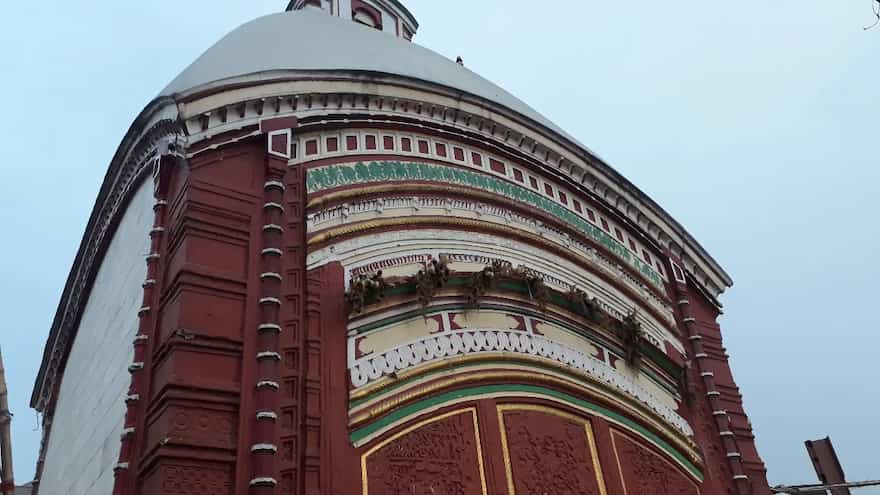
Image credit: Wikimedia Commons
Kali Puja Alcohol Offering: From A Tamasic Item To Puja Prasad
Gurusaran Banerjee offers invaluable insights by briefly explaining how the liquor is purified by a process called sodhana, after which it attains a symbolic and powerful status within worship. He also differentiates between the alcohol being offered to the Goddess as a symbol and the couple of teaspoons of ‘special’ prasad that devotees often receive on the way out or on special days.
The latter is the ceremonial bathing water of the Goddess, which is mixed with pure water, the liquor, honey, camphor, and several other ingredients–believed to preserve goodness when mixed in the right quantities, according to ancient texts and scriptures. The blend is shared amongst devotees who might be lucky enough to taste it if present at the right time, usually just after the ceremonial bath and anointment. The sharing of the bathing water allows devotees to partake in the ritual’s blessing. However, ordinary devotees are not permitted to drink from or of the vessel in which the liquor, aka the karana or sudha-madya, was directly offered to Maa Kali.
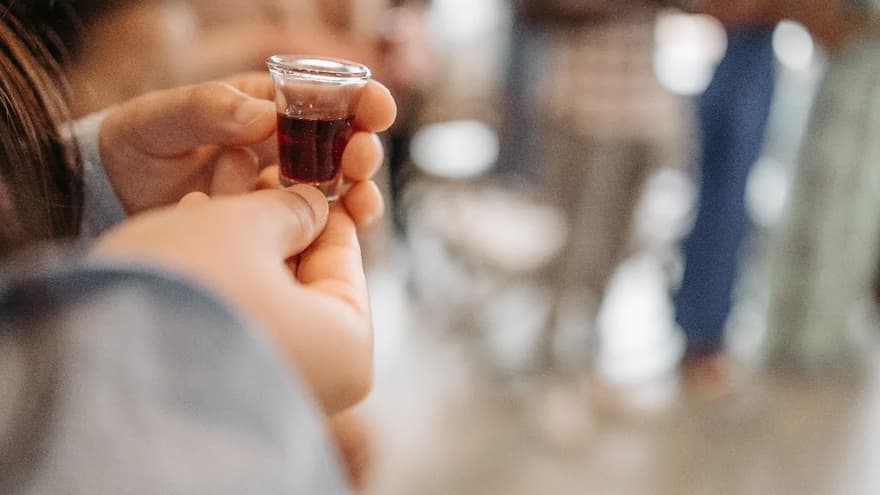
Image credit: Pexels
Professor Chandra also notes that such liquor offerings are not confined to prominent temples alone. Initiated Kaula practitioners may conduct private or rahasya puja at home, sometimes on particular lunar dates and timings. But he wisely cautions that, “Any Tantric ritual, irrespective of its involvement with alcohol, may only be undertaken if the practitioner has unerring knowledge concerning the procedure. Esoteric rituals, if undertaken erroneously, will often yield disastrous consequences. Furthermore, a dispassionate disposition is required when engaging with alcohol during worship. If an individual engages with Tantra with the secret desire to lead a life of intoxication and debauchery, then the consequences are cataclysmic.”
When making an effort to understand the intent behind the alcohol offering, one might notice that it is not simply a matter of what the Goddess is being offered; it is also about how a commonly considered tamasic consumable is consecrated, what it represents within the strict system of worship, and who is truly entitled to receive it. It also showcases how finely the balance between restriction and inclusion exists in worship when it comes to religiously and morally flawed foods such as meat and liquor. It also holds a candle to the fact that, at the end of the day, devotion and spirituality deep within are all that matter, irrespective of the form they take or symbolise in the material, mortal world.




