


 Share
Share

Buying a water bottle during a train journey is a common purchase. However, recent inspections done by IRCTC have shown why passengers may have to pay a little more attention to what is being sold onboard. During enforcement drives in the North Zone, 8,349 bottles of unapproved packaged drinking water were seized after inspecting 168 trains across the Lucknow and Chandigarh areas. The inspections also discovered the sale of unapproved ice cream, flavoured milk, drinks and other food products.
The movement is part of a wider review drive rather than a single case of seizure. IRCTC has started Quick Response Teams (QRTs) across its zones and regions to inspect trains, stations and catering units for the sale of unauthorised products as well as other catering breaches. For passengers, the critical point here to note is not to consider that every seized bottle is unsafe to drink, but to understand what “unapproved” actually means and what they can look for before buying food or water on train journeys.
What Happened During The IRCTC Checks?
The biggest seizure came from two regional campaigns. In the Lucknow region, 117 trains were reviewed between July 28 and August 8, which resulted in the seizure of about 5,241 bottles of unapproved packaged drinking water. In the Chandigarh region, 51 trains were inspected at locations that include Ambala, Ludhiana, Amritsar, Katra and Jammu, where another 3,108 bottles were seized.
Water was not the only concern here. Two surprise checks conducted at Ambala on August 10 resulted in the seizure of 13 cartons of unapproved edibles that included ice cream and flavoured milk. Similar inspections in Saharanpur also uncovered the sale of unapproved ice cream, beverages, and packaged water.
The checks have also expanded beyond the North. At Sabarmati BG Railway Station, officials discovered unauthorised packaged drinking water and buttermilk that was loaded onto trains. At Howrah, unauthorised food and beverages were seized and disposed of, whereas inspections between August 8 and 14 covered trains and catering units across Guwahati, Kamakhya, Agartala, Katihar, New Jalpaiguri and Dibrugarh.
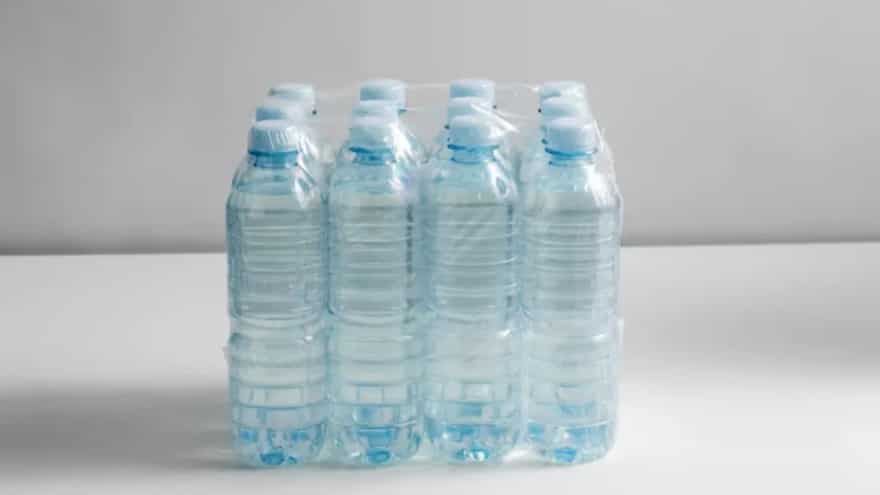
(Image credit: Freepik)
Why Is IRCTC Conducting These Inspections?
The purpose is more expansive than just reviewing the label on a water bottle. IRCTC's QRTs are examining food and beverage licenses, catering procedures, overcharging, staff details, overall hygiene, pest control, equipment, and passenger service norms.
This is important because passengers have limited options for food and beverages once they board a train. A catering operator is hence expected to supply products licensed under the railway's catering system rather than bringing in whatever food or beverage is available from anywhere and packaging it
IRCTC has guided catering providers not to load, stock or sell unauthorised food and beverages in any circumstances. It has also mentioned that any violations of such rules can draw penal action under the relevant licence terms and conditions.
What Does “Unapproved Water” Actually Mean?
In this case, “unapproved” refers to the sale of product through the railway catering system, not necessarily to the quality of the water inside the bottle. The seized bottles were not licensed for sale under the applicable railway catering needs.
That difference is important to understand. The seizure does not by itself demonstrate that the water was contaminated, adulterated or unsafe to drink. It means the bottles that were being stocked or sold were not permitted. For passengers, the useful takeaway is simple: buy packaged water from official railway vendors and check if the bottle is properly sealed and labelled.
What Should Passengers Check Before Buying Water?
- As a passenger, you do not have to become detectives before buying every water bottle, but a few quick checks will be useful.
- Look at the seal first. The cap and bottle should appear undamaged, without signs of tampering, leakage or damage.
- Read the label thoroughly. Check the name of the product, manufacturer details and other required information rather than just buying a bottle only because it appears to be familiar.
- Look at the bottle itself. A damaged, unclean or poorly stored bottle is worth avoiding regardless of the brand.
- Most significantly, buy from an authorised railway catering outlet only or from a recognised vendor whenever possible. This gives passengers a clearer path if they need to raise a complaint about the product or seller later on.
- Lastly, buy from well-known brands only that you have been hearing of for ages.
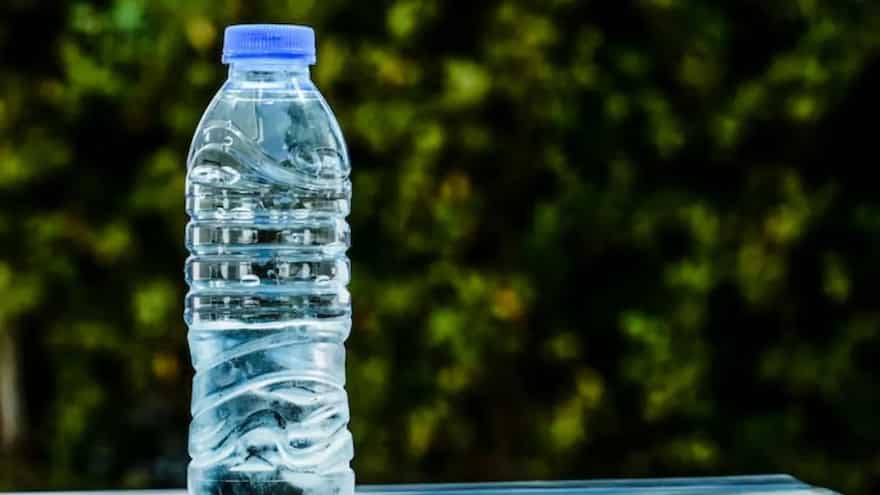
(Image credit: Freepik)
What About Food And Drinks Sold Onboard?
The same regulation applies beyond water bottles. Before buying any packaged food, check whether the packaging is undamaged and if the product has clear labelling and date information. For ready-to-eat food, pay close attention to how it is being handled and stored.
IRCTC's reviews specifically include hygiene, pest control, equipment and catering practices, indicating that food safety is not only about the product itself.
Passengers should also keep an eye on the pricing. Overcharging is among the offences being checked during the current inspection drive, so having the bill or receipt can be useful if a purchase becomes the subject of a complaint.
What Is IRCTC Doing Next?
The latest action is part of a continuous enforcement exercise. QRTs have been activated across IRCTC's zones and regions, with teams carrying out pre-board, onboard and surprise checks.
IRCTC has also cautioned catering providers that violations can lead to strict action under their licence requirements. The message is sought primarily at vendors and contractors, but it gives passengers a useful takeaway too: being sold something on a train does not mean that the product is part of the official railway catering system.
For your next journey, the easiest approach is to look for the seal, label, packaging and source of what you have bought. You do not need to avoid train food or packaged water totally; just make sure the product is identifiable and the seller is licensed.




