


 Share
Share

In Odisha, the Bhatra tribal community's native maize varieties, or 'maka' as they are known locally, are as unique as they can be. Before the monsoon, pulses are sown alongside red, white, yellow, purple, and even saffron-colored cobs. They are an essential component of rainfed intercropping systems, including millets, tubers, and vegetables, which are widely used in Adivasi districts to support household nutrition. These native types of maize adapted well to local environments, providing resistance during periods of bad weather. Their seeds were treasured and preserved across three or more generations for 150–200 years for their taste, ability to last in storage, and resilience against drought.
Rainbow maize is a stunning heirloom maize variety that produces ears with kernels in a wide range of colours, including deep blues, bright reds, delicate pinks, purples, golds and pearly whites. While planted primarily as flint corn for grinding into cornmeal or popping, it can also be harvested early for decorative purposes. The long, robust stalks are simple to cultivate and provide a touch of fantasy to any garden or farmstand display. Nabarangpur district is Odisha's largest producer of maize, generating an estimated 7.8 lakh metric tonnes each year. In Odisha, maize is grown on around 2.5 lakh hectares of land, with 150,000 farmers cultivating maize on 60-70,000 hectares in Nabarangpur. More than 53% of the district's population are Scheduled Tribes, while around 80% rely on agriculture for a living.
Cultivation Of Odisha’s ‘Maka’: A Symbol Of Tribal Strength & Community
When these hues are combined on a cob, they form a stunning, almost jewel-like appearance, hence the term "rainbow maize." This corn, grown in some tribal and rural districts of Odisha, is more than simply aesthetically pleasing. It is frequently grown utilising traditional agricultural techniques and local seed variations passed down through generations. Each hue can suggest modest nutritional variations, with darker kernels occasionally possessing more antioxidants. In everyday terms, it may be prepared and consumed similarly to conventional corn, boiled, roasted, or crushed into flour. The taste is similar; however, certain kinds may be somewhat nuttier or richer. Rainbow maize is gaining popularity outside local markets due to its natural beauty and nutritional potential. It reflects biodiversity in farming and demonstrates how keeping traditional crops may provide both health advantages and aesthetic value.
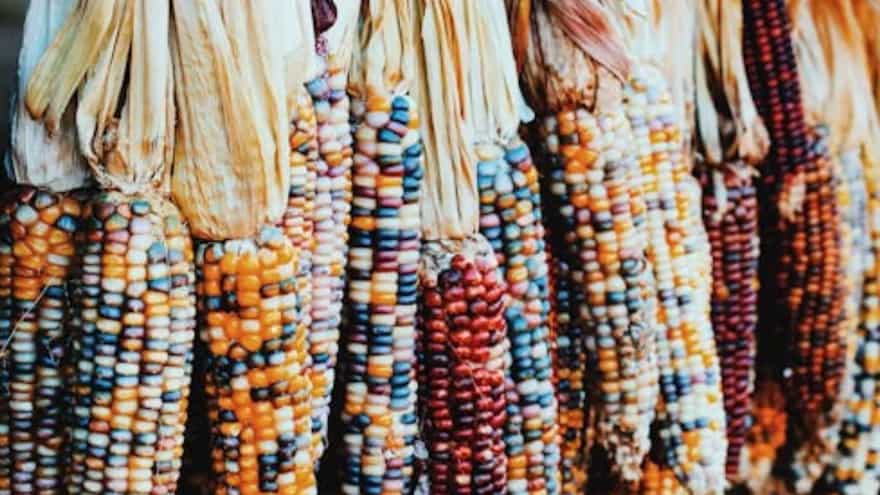
Image Credit: Pexels
Rainbow maize is firmly embedded in the life of tribal populations in Odisha, including the Kondh, Dongria Kondh, and Santal tribes. They meticulously conserve natural seeds, like multicoloured maize, and pass them down through generations. Festivals, dietary customs, and regular meals are closely linked to these crops. Tribal farmers maintain biodiversity and preserve their cultural history by continuing to cultivate rainbow maize using age-old methods, ensuring that both their food systems and customs remain alive and relevant.
Farmers cultivate rainbow maize with natural, low-input ways. Seeds are often heritage types, kept from past harvests rather than purchased commercially. The crop is frequently farmed on tiny plots or hill slopes in mixed farming with millets and pulses. Instead of artificial fertilisers, they use organic manure and compost. Rain-fed agriculture is frequent, which means crops rely heavily on seasonal rainfall. This traditional practice promotes soil health while preserving the maize's distinct hues and features.
Types Of Maize Grown In Odisha
Purple & Blue Maize
Their rich colour is derived from natural plant chemicals known as anthocyanins, which have been linked to antioxidant properties. These kernels usually have a slightly earthy, nutty flavour and a firmer texture compared to regular corn. In Odisha, tribal tribes frequently dry and process them into flour for everyday staples such as rotis or porridges, providing a healthy and practical meal option.
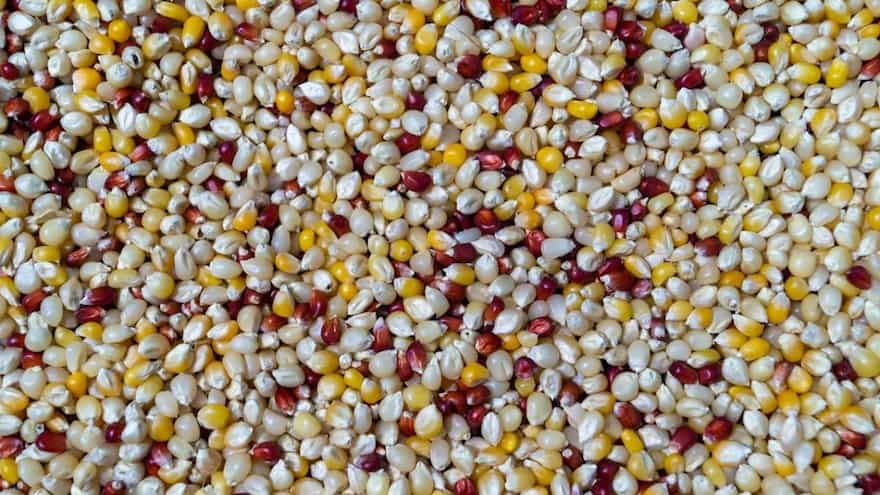
Image Credit: Pexels
Yellow & Orange Maize
Yellow and orange maize are the most prevalent varieties, closely matching the corn usually found in markets. They have a naturally sweet flavour and a softer texture, making them suitable for roasting over the fire or boiling as a fast snack. During harvest seasons, these cultivars are frequently consumed fresh in Odisha's tribal areas. They are also used in basic home cooking, adding flavour and vitality to everyday dishes with minimal preparation.
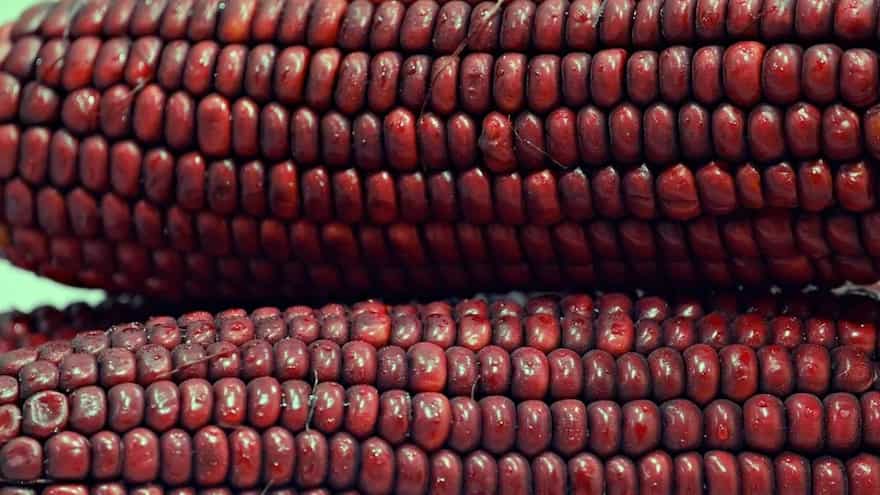
Image Credit: Pexels
Red Maize
Red maize is notable for its vibrant colour and significantly firmer texture, and it has a more powerful, earthy taste than lighter types. Tribal farmers often dry these kernels completely before grinding them into flour, which is then used to make traditional breads or porridges. This variety holds up well for extended periods, making it beneficial in areas where food preservation is critical. It is a staple meal and a consistent crop.




