


 Share
Share

When it comes to food, it connects with tradition, passion, skills, memories, and the invisible threads of culture that weave raw ingredients into pure magic. The culinary identity of Novotel Kolkata is built on an exquisite curation of menus that bring together regional traditions, contemporary techniques and thoughtful hospitality. Every dining experience is intended to produce food that is authentic and meets the expectations of modern travellers. 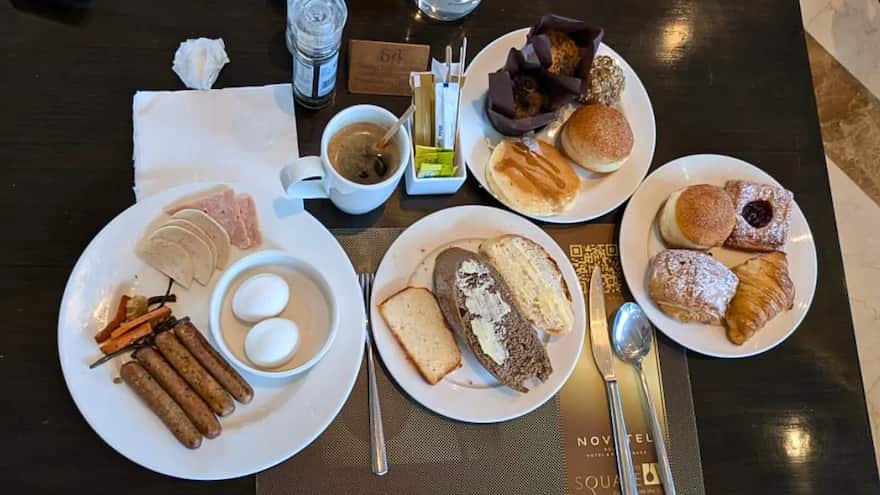 Image Credit: Saborni Saha
Novotel Kolkata brings in a culinary experience that matches its luxurious stay experience, starting from the sumptuous breakfast at The Square to the Bengali celebrations and multiple flame-induced dishes at Ministry of Kebabs.
The Square’s Breakfast Buffet: A Morning Spread Beyond Expectations
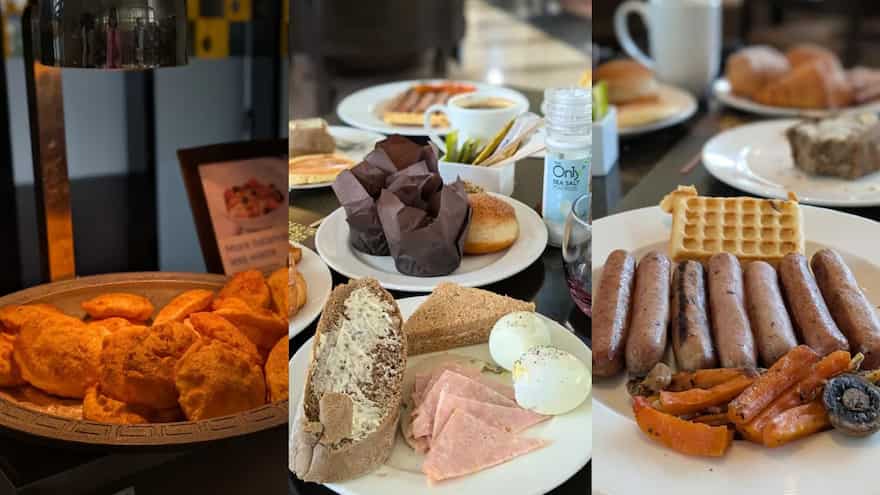
Image Credit: Saborni Saha
A day at Novotel Kolkata begins with a breakfast experience designed to offer variety, comfort and quality. The Square offers a buffet breakfast every day from 6.30 AM with a wide range of options to suit every taste. A live tea-stall, coffee on order, noodles’ counter, Guests can choose from traditional Indian favourites such as tea, chaat, idli, dosa, luchi, tarkari, poha, as well as international and continental options such as sandwiches, noodles, omelettes, sausages, breads and more. And the dessert section gives you a sugar rush with donuts, croissants, puddings, pastries, and whatnot!
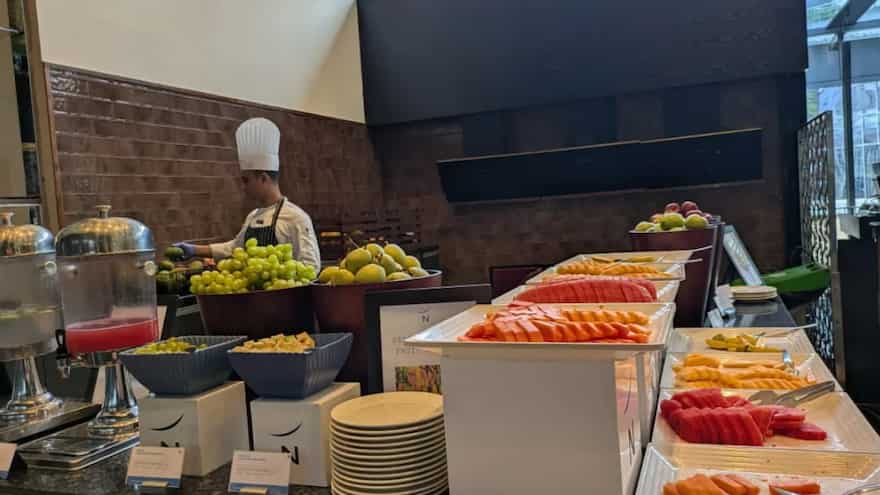
Image Credit: Saborni Saha
The range is vast, but the best thing about the breakfast spread is that the quality is uniformly good. Each dish is thoughtfully prepared to ensure freshness, flavour and presentation, so that guests can start their day with a wholesome dining experience. Whether it is a business traveller seeking a quick yet fulfilling meal or a leisure guest enjoying a relaxed morning, The Square creates a breakfast setting that balances convenience with culinary attention.
Bengali Mahabhoj: Preserving Bengal’s Culinary Heritage
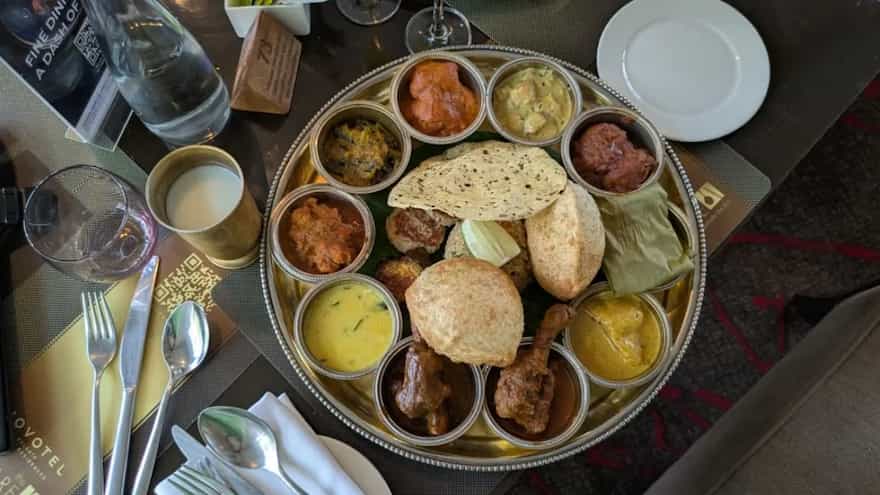
Image Credit: Saborni Saha
Novotel Kolkata’s Bengali Mahabhoj is a celebration of Bengal’s diverse culinary traditions. Curated by Chef Mohan Goswami and Chef Deepak Shasmal, the elaborate thali highlights traditional Bengali dishes prepared with a focus on authenticity, regional flavours and cultural storytelling.
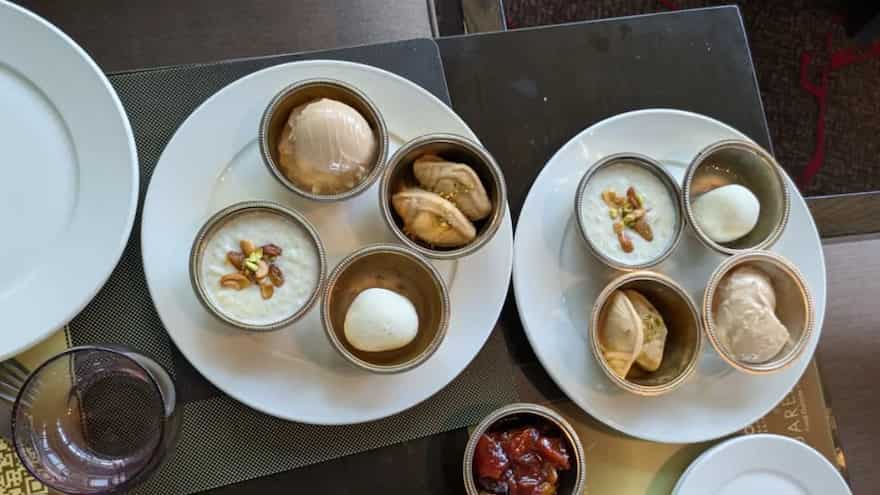
Image Credit: Saborni Saha
The thali presents a carefully structured progression of flavours, beginning with savoury preparations and moving towards classic Bengali desserts. It includes Gandhoraj ghol, Bengali pulao, kachori, shukto, begun bhaja, posto bora, potol bhaja, fulkopir rosha, dhokar dalna, daal, Bhetki paturi, kosha murgir mangsho (Desi chicken curry), mutton kosha and papad.
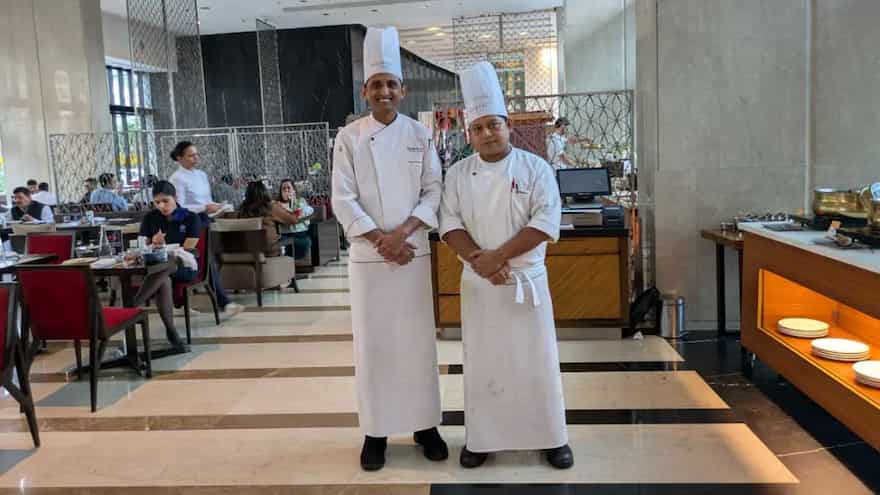
Image Credit: Saborni Saha
Following the Bengali tradition of mishtimukh (having sweets right after the main course), the meal concludes with a selection of traditional sweets including payesh, rasogolla, kheer er shankha sandesh, and nolen gurer churned ice cream.
The idea behind the Mahabhoj is to recreate the known recipes; while showcasing the culinary heritage of Bengal through a choice of ingredients, traditional cooking methods, and balanced flavours. The menu is based on traditional Bengali food that has been prepared in households throughout the ages.
Ministry of Kebabs: Exploring India Through Fire And Flavour
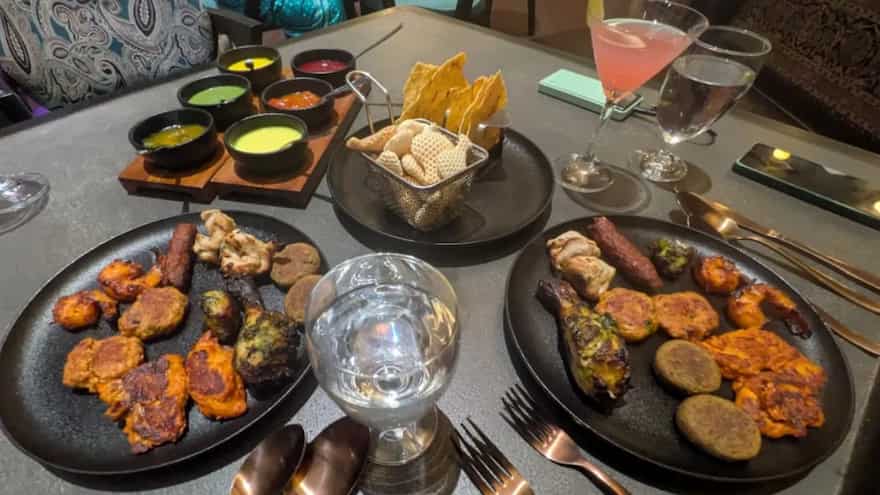
Image Credit: Saborni Saha
Dinner at Ministry of Kebabs (MOK) introduces guests to India’s diverse kebab traditions through a menu inspired by regional histories and cooking techniques. The restaurant’s approach moves beyond kebabs being simple appetisers and positions them as expressions of geography, culture and craftsmanship.
The menu travels across India, from Amritsari influences to Guntur-inspired flavours, while also featuring royal preparations such as Chapli Kebab from neighbouring culinary traditions.

Image Credit: Saborni Saha
The Dhaniya aur Pudina ke Seekh, prepared with minced mutton, reflects the flavours of historic royal hunting camps where fresh herbs were used to season meat cooked over open flames. The Rajwada Kalmi Tandoor represents the grandeur of Rajasthan and Madhya Pradesh kitchens, with chicken drumsticks marinated in rich spices before being cooked in the tandoor.

Image Credit: Saborni Saha
Chef Vikram Jaiswal explains that it is the very first step to get a hold of the spice architecture of each region. For instance, Byadgi chilli welcomes a slightly assertive smoke, while Awadhi profiles demand a softer, perfumed ember. Fire should frame the spices, not overshadow them — it must whisper in Lucknow and speak boldly on the coast.
The MOK philosophy is “Spice Architecture,” where chefs carefully balance smoke, heat and regional flavour profiles. Dishes cooked over a long period, like Overnight Dal MOK and Subah-e-Awadh Nihari, illustrate how time is an important ingredient in cooking.
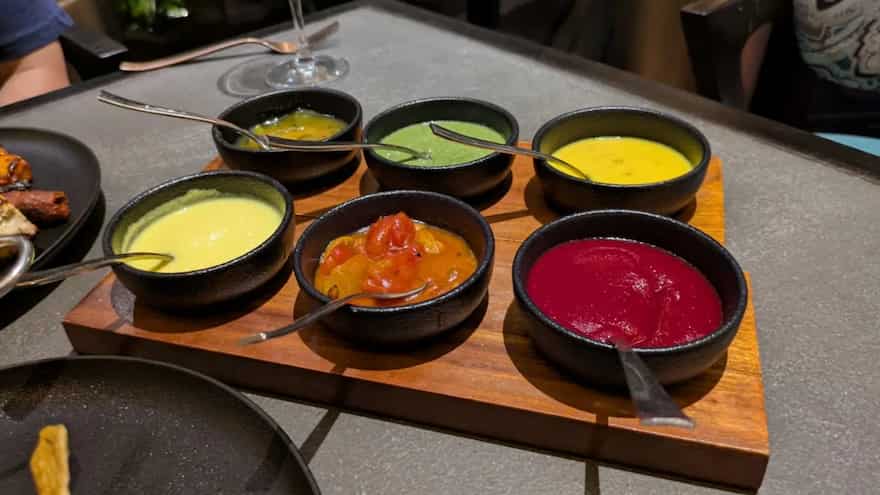
Image Credit: Saborni Saha
Slow simmering overnight adds flavour and several layers of depth to the Dal MOK and Nihari, where marrow, spice and smoke meld naturally rather than aggressively. True fine dining is not only about premium ingredients but about honouring time as an ingredient – because flavour that cannot be rushed carries a richness that no shortcut can replicate.
Epar Bangla & Opar Bangla: A Weekly Celebration of Bengali Cuisine
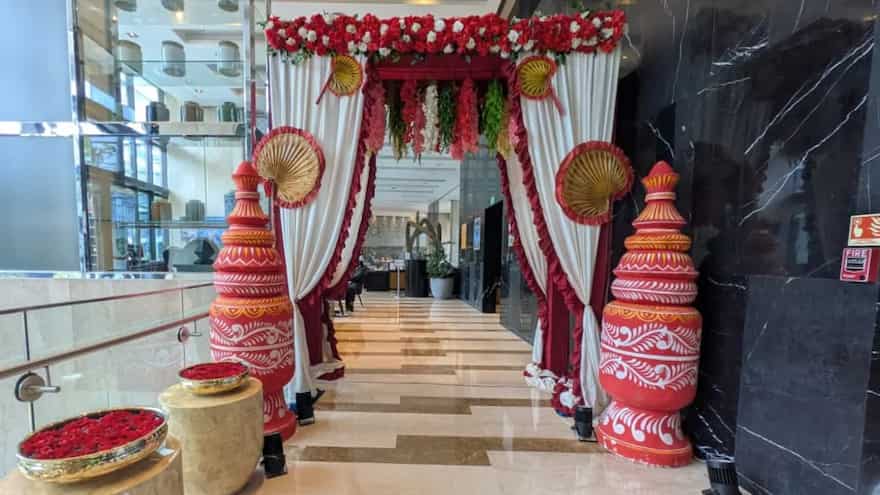
Image Credit: Saborni Saha
The Square’s curated dining experience “Epar Bangla & Opar Bangla” celebrates the flavors of both sides of Bengal every Friday evening from 7 PM to 11 PM.
The menu features regional Bengali delicacies, live counters, and traditional desserts. Welcome drinks like gondhoraj ghol, aam pora sharbat, and beler sharbat are also available for guests. The starters are mochar chop, fish fry with kasundi, dimer devil, beguni, and Kolkata-style chicken cutlet.
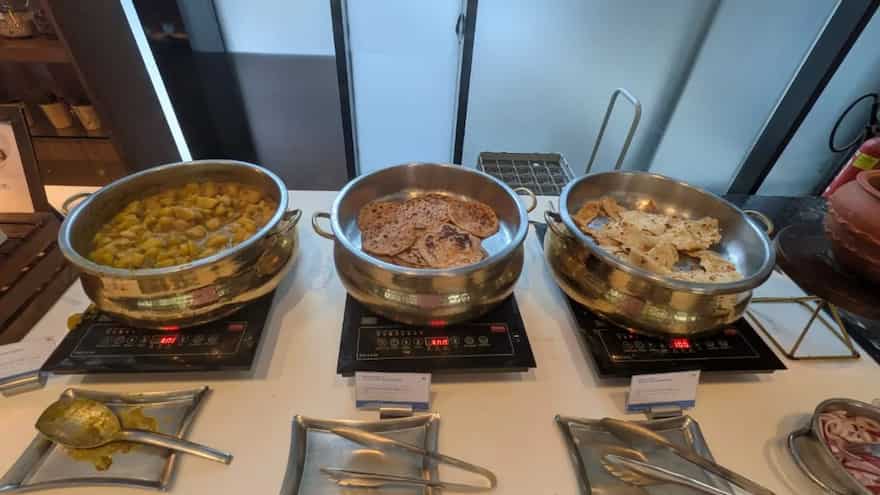
Image Credit: Saborni Saha
The main course includes Dhakai chicken roast, rui macher kalia, bhapa maach, basanti pulao, luchi, cholar dal, shorshe ilish, chingri malai curry, kosha mangsho, aloo posto and potol dorma. The experience ends with Bengali favourites including baked rosogolla, nolen gurer payesh, mishti doi and sandesh. Live counters with luchi and kochuri, ghugni ,and Kolkata kathi rolls add an interactive element to the dining experience.
The concept focuses on nostalgia, regional authenticity and guest interaction, creating a celebration of Bengali food culture within a contemporary hospitality environment.
Slurrp’s Looked Behind The People And Process Behind Novotel Kolkata’s Culinary Experience
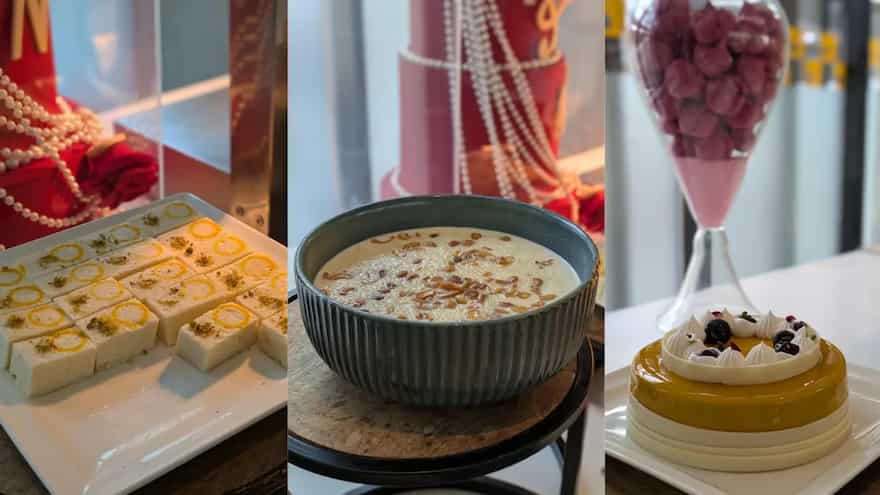
Image Credit: Saborni Saha
While a memorable dining experience is often defined by what lands on the table, at Novotel Kolkata, the story begins long before that – inside the kitchen. Planning, coordination, and precision shape every plate. You’re juggling multiple dining formats simultaneously, from buffet services to signature restaurants to bespoke in-room dining, and consistency is the only thing that matters.
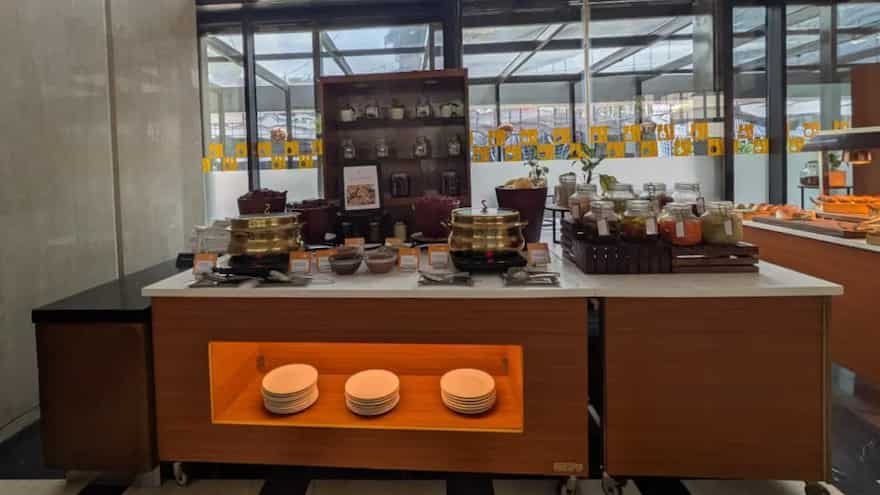
Image Credit: Saborni Saha
During a conversation with Slurrp, Executive Chef Vikram Jaiswal shared insights into the operational rhythm behind Novotel Kolkata’s food service and how the culinary team ensures that every guest receives the same level of attention, regardless of where they choose to dine.
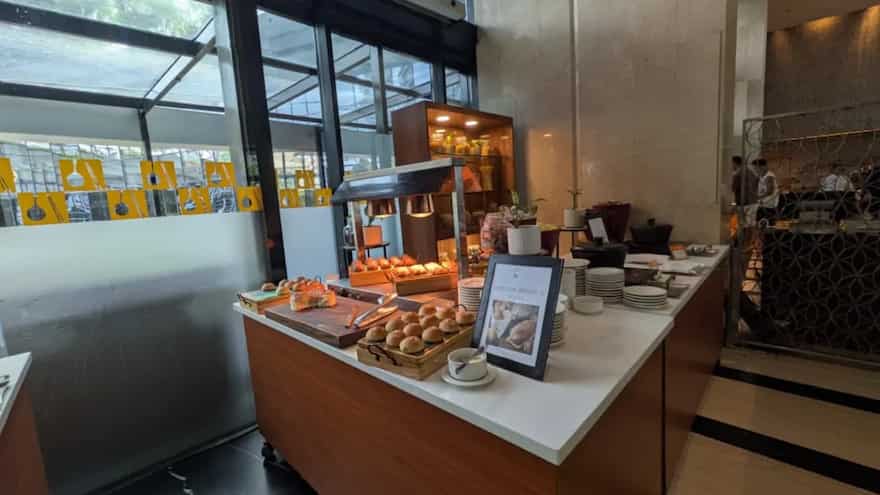
Image Credit: Saborni Saha
It’s all about preparation and communication, as Chef Jaiswal mentioned when asked how the culinary team manages room-service orders while maintaining the standards of the restaurant dining experience. The kitchen does not consider different dining formats as separate operations but as interconnected services that require the same level of planning.

Image Credit: Saborni Saha
“For us, consistency begins with planning and strong coordination across the kitchen. We align our mise en place, manpower, and production requirements with occupancy, reservations, and anticipated demand, so that both room service and restaurant operations are well prepared. Clear communication between the kitchen and service teams, along with defined quality checks, ensures that every dish leaving the kitchen meets the same standards of freshness, presentation and taste. While the service format may differ, our approach remains the same—we want every guest, whether dining in our restaurants or in the comfort of their room, to receive food that reflects the same care, quality and attention to detail,” he said.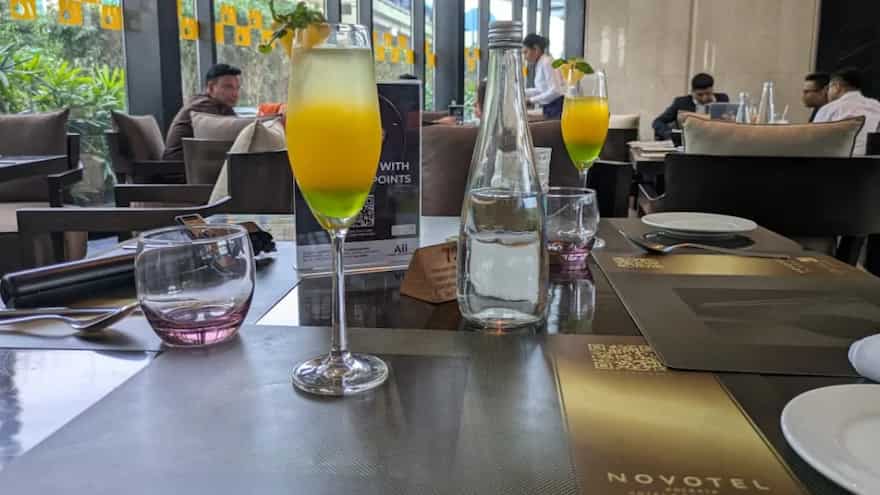
Image Credit: Saborni Saha
One of the biggest operational challenges in a hotel kitchen is managing overlapping service periods, particularly when breakfast and lunch buffets run close together. Explaining this process, Chef Jaiswal described the kitchen as a continuous cycle where one service naturally transitions into another. “Chefs plan breakfast and lunch as one continuous production cycle with preparation for lunch beginning even while breakfast service is underway,” he explained.
The process involves carefully planned menus, preparation schedules, and staggered cooking timelines to ensure that every dish reaches guests at its best. While breakfast guests continue to enjoy their meals, the kitchen team simultaneously begins preparing ingredients and components for lunch.
“Menus, prep lists and cooking schedules are carefully staggered so every dish reaches its peak freshness at the right time. The kitchen team continuously replenishes, cooks in small batches, and simultaneously preps ingredients for the next service,” Chef added.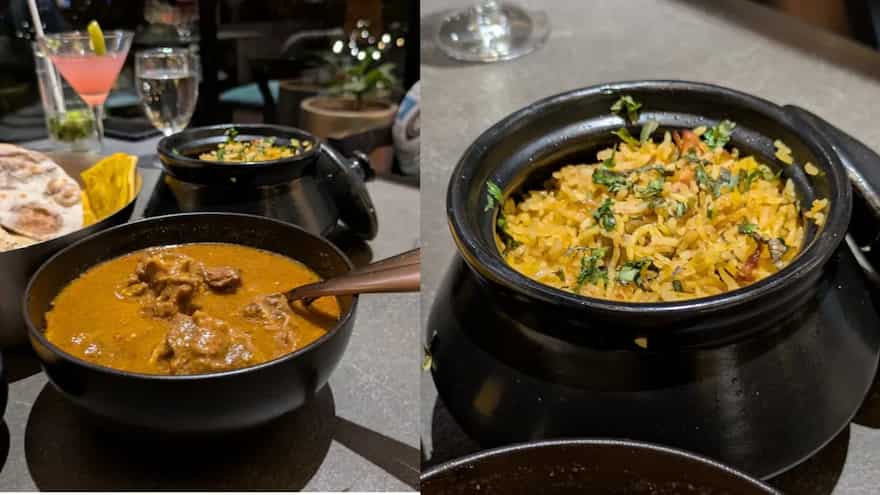
Image Credit: Saborni Saha
According to him, the transition between services depends on teamwork and discipline rather than simply speed.
“As breakfast winds down, the team seamlessly transitions equipment, stations, and staff into lunch production without stopping the workflow. It’s a constant rhythm of prep, cook, replenish, and reset, keeping the kitchen moving from one buffet service to the next,” he said.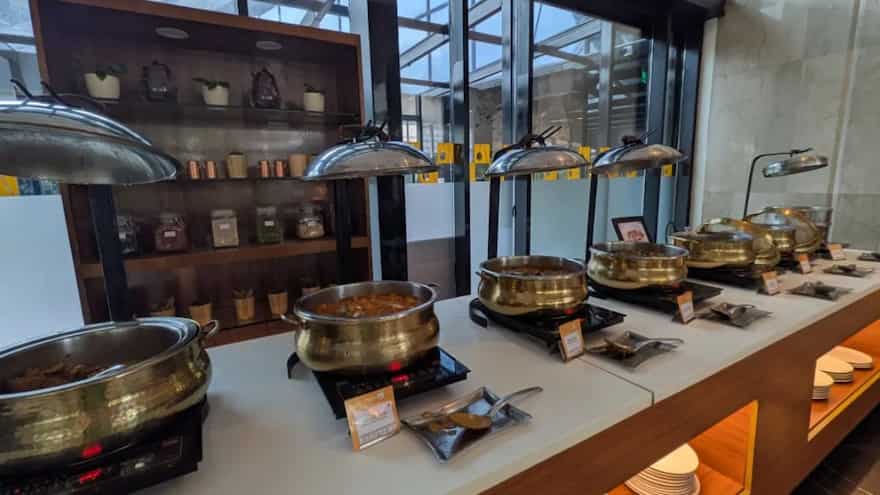
Image Credit: Saborni Saha
The conversation then moved towards Novotel Kolkata’s Grand Bengali Thali, a concept designed to celebrate Bengal’s culinary identity. Chef Jaiswal explained that creating such a menu requires understanding the cultural importance of ingredients, recipes and traditional cooking methods.
“The Grand Bengali Thali is designed as a culinary representation of Bengal, so the starting point is always authenticity. We carefully select traditional ingredients, recipes and cooking techniques that reflect the region’s diverse culinary heritage, while ensuring the menu offers a balanced progression of flavours and textures,” he shared.
However, preserving heritage does not mean keeping the experience unchanged. The culinary team focuses on presenting traditional flavours in a format that connects with today’s diners.
“At the same time, we look at portioning, presentation and contemporary plating to make the experience relevant to today’s diners without altering the soul of the cuisine. For us, the objective is to preserve the character of Bengali food while presenting it in a way that is engaging, approachable and memorable for both local guests and visitors discovering the cuisine for the first time,” Chef explained.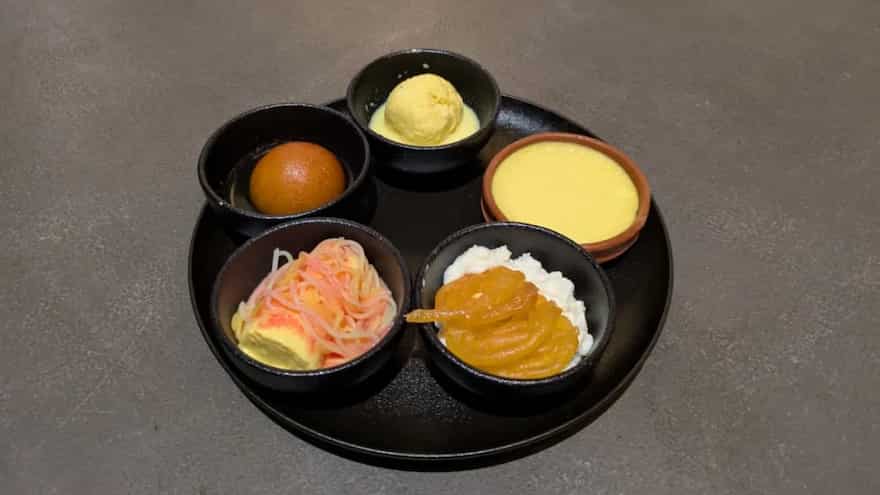
Image Credit: Saborni Saha
The discussion also explored the philosophy behind Ministry of Kebabs, where regional Indian flavours are presented through traditional fire-based techniques. Chef Jaiswal highlighted that authenticity remains central to the restaurant’s approach.
“At Ministry of Kebabs, authenticity is at the heart of how we approach our kebab offerings. We stay true to traditional recipes, carefully selected ingredients and time-honoured techniques such as marination, slow cooking and cooking over charcoal where appropriate,” he said.
For Chef Jaiswal, contemporary dining should enhance traditional food rather than replace its original character.
“Every signature dish is built on the right ingredients. Our focus is sourcing quality produce and selecting ingredients that are true to the dish and its regional character. From there, the process moves on through careful preparation, precise cooking, and attention to seasoning, texture, and balance. Presentation and final quality checks are done on every dish before it reaches the guest. What makes the culinary experience at Novotel Kolkata unique is the confluence of authenticity, variety, and a sense of place. We want to create food that is rooted in tradition but presented in a way that feels relevant to today’s guests, from Bengali flavours and regional Indian specialities to our kebab offerings and contemporary dining experiences. In the end, it’s that detail at every step, from ingredient to plate, that defines the experience. ” Chef Jaiswal concluded.
Image Credit: Saborni Saha
General Manager Rajneesh Kumar spoke with Slurrp about how Novotel Kolkata approaches hospitality beyond individual services and ensures that every guest interaction reflects the hotel’s service philosophy.
Discussing the challenge of maintaining consistency across multiple touchpoints, including in-room dining, restaurants, and other hotel experiences, Rajneesh Kumar highlighted that the approach begins with creating a strong service culture.
“At Novotel Kolkata, consistency begins with a strong service culture and attention to detail at every guest touchpoint. Whether it is in-room dining, our restaurants, or other hotel services, we focus on maintaining the same standards of quality, warmth, and responsiveness,” he explained.
Image Credit: Saborni Saha
"Regular training, close operational coordination and continuous guest feedback help us ensure that every interaction reflects our brand promise, while still allowing each outlet to retain its own distinctive character and experience,” he further added.
From carefully curated menus to personalised stays, the hotel’s approach combines culinary heritage, modern expectations and consistent service to create experiences that remain memorable beyond the dining table.




