


 Share
Share

Chef Manzilat's Manzilat – Awadhi & Lucknawi Culinary Festival at the Ministry of Kebab, Novotel Kolkata Hotel & Residences, celebrated royal Awadhi cuisine in Kolkata. The five-day culinary pop-up featured slow-cooking methods, heirloom recipes, and the hospitality of the Nawabi era, bringing the city's traditional flavours.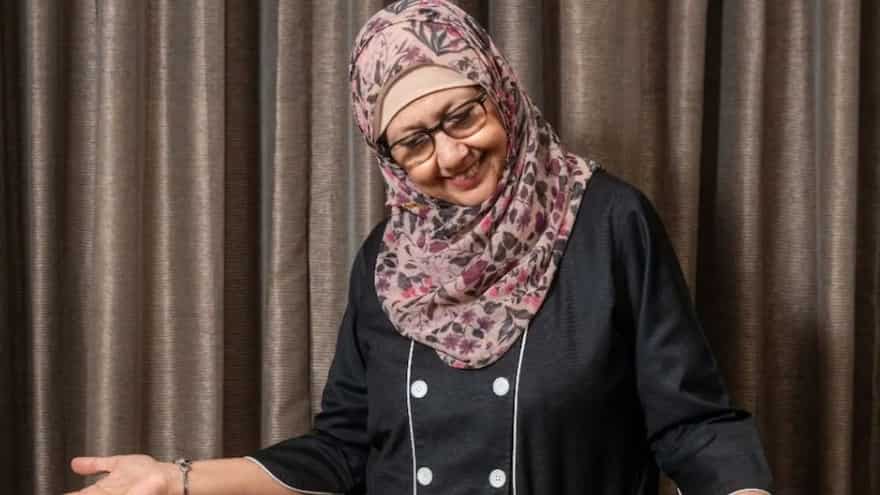
Image Credit: Novotel Kolkata Hotel & Residences
The festival, curated by Chef Manzilat Fatima, the great-great-granddaughter of Nawab Wajid Ali Shah, explored a culinary legacy centered around expertly prepared spices, delicate kebabs, fragrant rice, and richly flavoured gravies, all of which were inspired by the traditional Dastarkhwan of Awadh. The carefully planned dinner provided a chance to learn how generations-old recipes are still relevant and always will be.
Exploring The Culinary Heritage Of Lucknow With Chef Manzilat
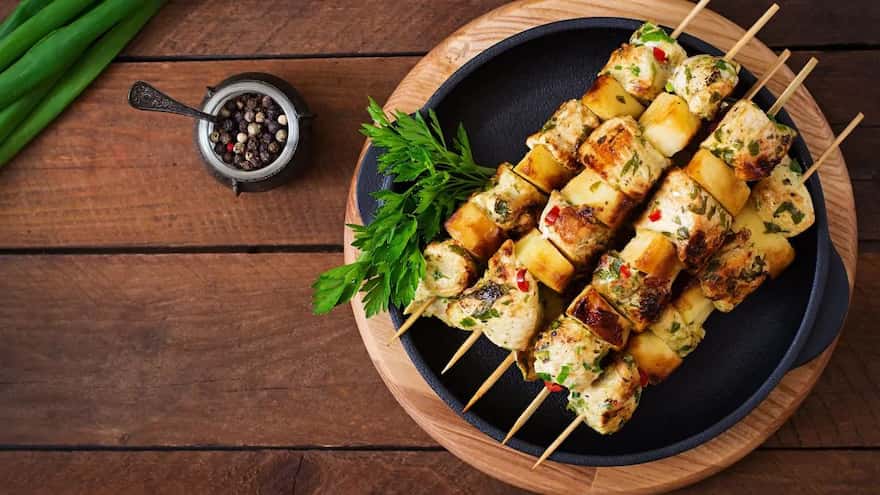
Image Credit: Freepik
Meat preparations, careful use of spices, and methodical cooking are what set apart Awadhi cuisine. Among its well-known specialties, Galauti, Kakori, and Shami kebabs show how various techniques can transform comparable base ingredients.
Galauti Kebab's distinctively delicate texture is created by slow-frying finely chopped meat with fragrant spices on a heavy tawa. Originating in Kakori, close to Lucknow, Kakori Kebab is typically grilled over coal, giving the meat its smoky flavour. Shami Kebab adopts an alternative strategy. Chana dal, basic spices, and minced meat are cooked together, ground into a smooth mixture, mixed with fresh green spices, and fried into patties.
Other traditional recipes include Aloo Gosht Ka Salan, where meat and potatoes are cooked for a long time to develop their flavours, and Nihari, a slow-cooked meat gravy. To create a distinctive aroma, Dum Biryani uses carefully layered ingredients, sealed cooking, and separately prepared ingredients.
Chef Manzilat On Family Recipes, Authenticity And Culinary Memories
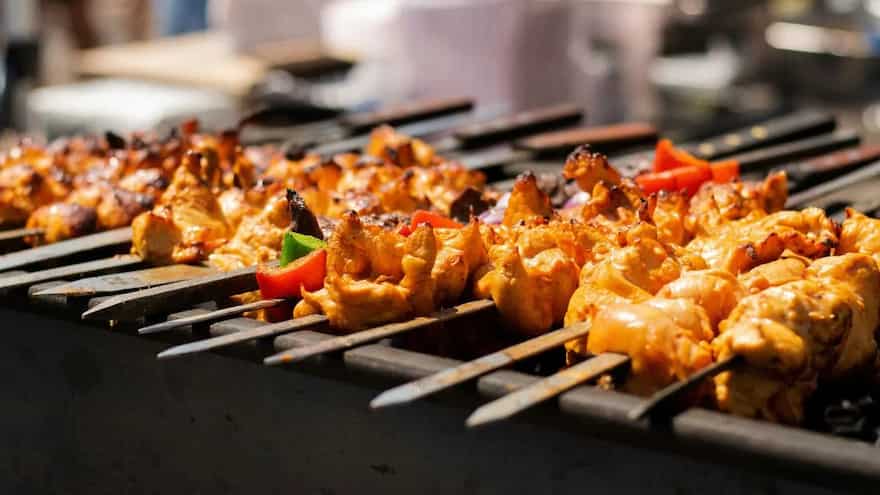
Image Credit: Unsplash
Slurrp had a word with Chef Manzilat during the festival regarding her heirloom recipes, culinary traditions, and methods for maintaining Awadhi cooking. Instead of using written instructions, Manzilat has relied on practice to preserve her khandani recipes. She learned from her mother, committed ingredients to memory, prepared meals on her own, and came back for comments.
She recalled, “She used to tell me what is right, what is wrong, what is less, what is more.”
One particularly meaningful memory involved preparing Majlisi Pasanda, a tender boneless kebab, for her mother shortly before her passing. Her mother, then 86, recognised flavours that reminded her of childhood.
Reflecting on that experience, Manzilat mentioned, “What bigger certificate can I ask for or what bigger certificate can anybody else in the world give me, for the authenticity of my recipes.”
Her approach to authenticity also begins with spices. For the festival, she brought personally prepared masalas rather than depending entirely on the restaurant kitchen.
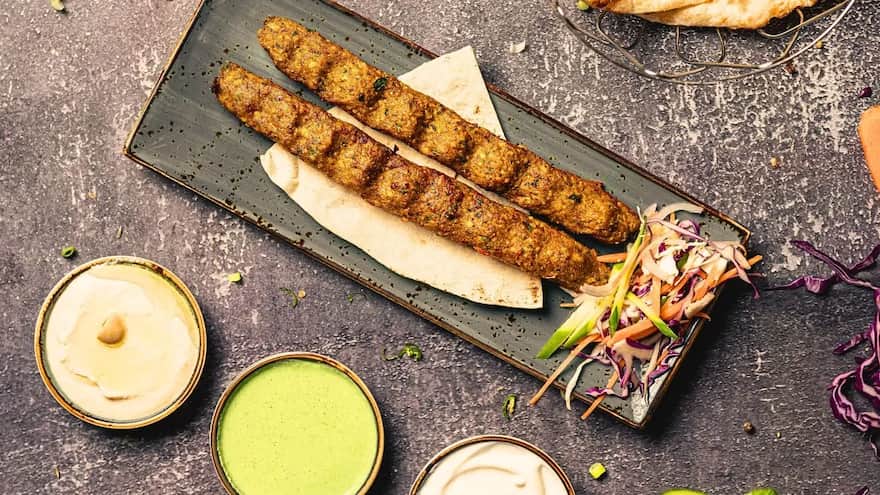
Image Credit: Freepik
“I strongly believe that spices are the key to any recipe. They are the main character of a dish and have the power to completely transform its flavour and identity.”
Explaining the importance of traditional cooking methods, she emphasised that Awadhi preparations cannot be rushed. Nihari requires hours of simmering, while dum cooking allows ingredients to gradually absorb their accompanying aromas.
“Traditional Awadhi cooking takes time, and the flavours cannot be rushed.”
Beyond cooking, the festival acknowledged Lucknow’s culture of hospitality, where welcoming guests, communal dining and storytelling remain integral to the dastarkhwan tradition.
A Royal Awadhi Spread At Novotel Kolkata
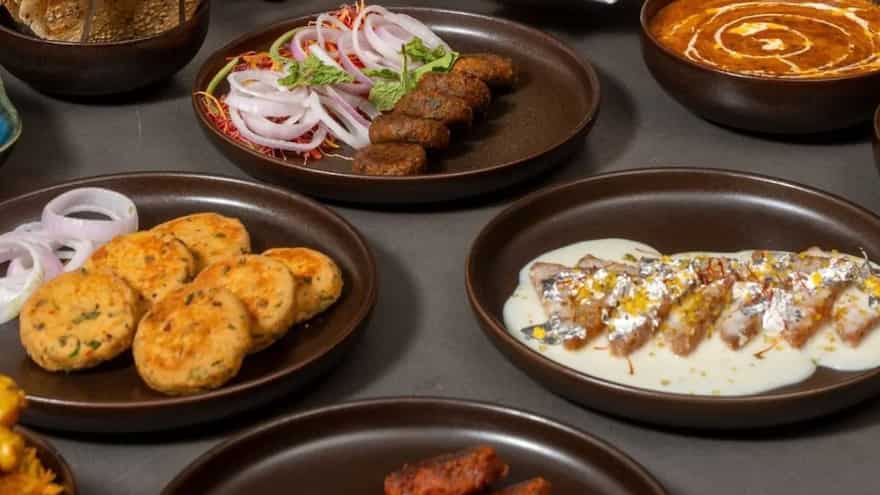
Image Credit: Novotel Kolkata Hotel & Residences
The festival menu offered substantial vegetarian and non-vegetarian selections. Vegetarian specialities included Chapati Paneer Handi Kabab, Soya Shami Kabab, Radish Sabz Zafrani Kabab, Kachkela Galauti Kabab, Veg Kakori Kabab, Tehari Pulao and Nadru Rezala.
Non-vegetarian offerings featured Chapati Fish, Mutton Handi Kabab, Murgh Lazeez Bharwan Shami Kabab, Awadhi Mutton Galauti Kabab, Kakori Seekh Kabab, Jhinga Angara, Lakhnavi Yakhni Pulao and Nalli Nahari. Traditional breads, including Ulta Tawa Paratha, Roghni Roti and Sheermal, accompanied the elaborate spread. Desserts featured Shahi Tukra, Shahi Kesar Halwa and Shahi Kheer.




