


 Share
Share

India's drinking and unwinding culture has never been short of regional alcohol. But what it has often lacked is a vocabulary sophisticated enough to talk about these drinks beyond the unappreciative and dismissive umbrella of ‘country liquor’. But the current mixological scene is changing. Regional liquors like feni, mahua, toddy, handia, chhang, and raksi come from radically different landscapes and traditions, made from everything from cashew fruit and mahua flowers to palm sap, rice, and millet, and each is craving a niche for itself. India’s Food Safety and Standards Authority (FSSAI) itself lists a remarkably wide range of indigenous alcoholic beverages and spirits, including the ones listed above.
One of India's most internationally recognisable indigenous spirits, Feni belongs to Goa. Cashew feni is distilled from fermented cashew-apple juice, while coconut feni comes from the coconut palm sap. Cashew feni is seasonal, whereas coconut feni is produced throughout the year. Plus, Feni is a registered Geographical Indication for Goa.
Mahua comes with an entirely different story. Made from the flowers of Madhuca longifolia, it has been part of Indigenous drinking cultures across central India for a long time. Its naturally sweet, nutty, and faintly smoky personality has recently found a new audience in modern Indian bars, with dedicated mahua-based culinary programmes and cocktails appearing in metropolitan restaurants.
Meanwhile, toddy has a very different origin story, as it is not made of grain or ordinary fruit but from the palm plant. FSSAI's manual describes toddy as an alcoholic beverage made from the sap of palms including palmyra, date and coconut palms, and prescribes an alcohol range of around 4 to 6% ABV. In Kerala, it is commonly known as kallu, with palm tapping forming a familiar part of the state's traditional food culture.
Then there is handia, the traditional rice beer mainly associated with Jharkhand's Indigenous communities. Rice is fermented with ranu, a starter made from a local mixture of herbs. The resulting drink is considerably gentler than a distilled spirit, which also finds a place for itself in Sarhul’s communal traditions.
Chhang or chaang takes the story north-east towards the Himalayas. Sikkim Tourism lists chaang or tongba as a local fermented millet beverage that is traditionally served from a bamboo receptacle and sipped through a thin bamboo pipe. In terms of modern storage, glass containers with proper sealing also work well. Raksi is another grain-based indigenous spirit found across Himalayan drinking cultures. FSSAI's list identifies raksi as an Indian distilled liquor made from cereals and marcha, a known traditional fermentation starter.
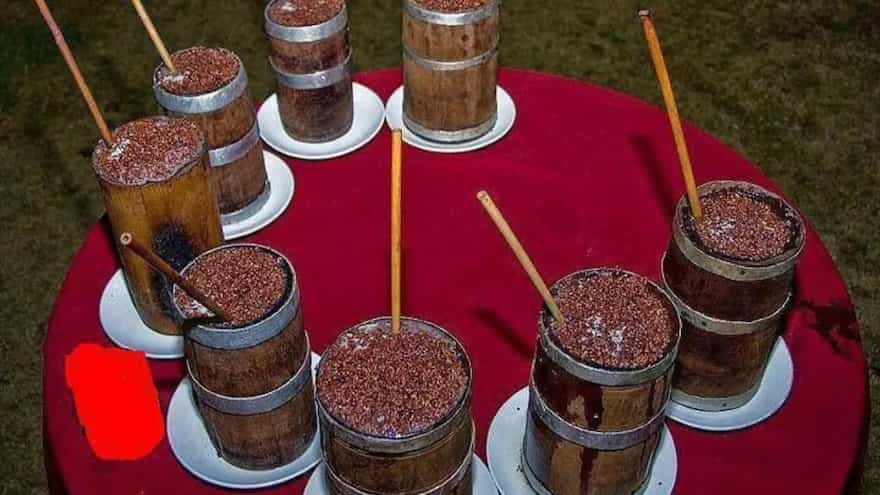
Image credit: Wikimedia Commons
There are many underrated regional drinks such as Zutho from Nagaland, Apong from Assam, and a long roster of rice-based beverages that rarely make it beyond their home regions. Thankfully, contemporary cocktail bars are beginning to do something interesting with all this regional knowledge. Rather than disguising indigenous alcohol beneath layers of imported gin, vodka, whisky, or other non-alcoholic mixers, bartenders are building drinks around the flavour of the local spirit itself. Here are a few delicious combinations that make a convincing case for regional liquor-based cocktails.
Regional Liquor-Based Cocktails For Every Desi Epicurean
Coconut Feni Curry Leaf Martini
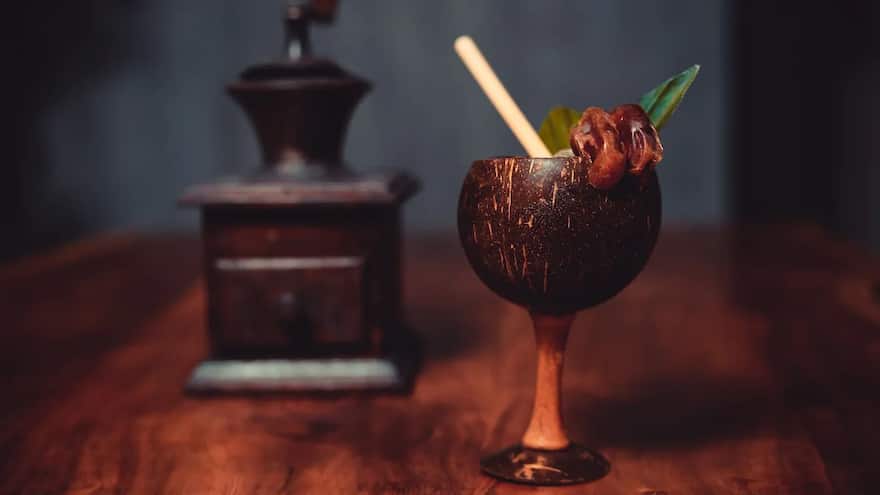
Image credit: Pexels
To make this unique cocktail for one, you need 45 ml coconut feni, 20 ml dry vermouth, and 10 ml green chilli-curry leaf cordial (homemade). Stir all the ingredients thoroughly with ice and then strain into a chilled martini glass. Coconut feni's clean palm character works surprisingly well with the zesty, savoury aroma of curry leaf, while a restrained touch of chilli causes a gentle warmth at the back of your palate. Garnish the cocktail with a crisply fried curry leaf for an unmistakably gourmet desi finish.
Chaang Apple-Ginger Buck
To make this nuanced cocktail for one, you will require 90 ml chaang, 20 ml cloudy apple juice, 15 ml lemon juice, 10 ml ginger syrup, and 60 ml sparkling water or soda. First, add ice to a cocktail shaker along with chaang, apple, lemon, and ginger. Now shake vigorously for 10 to 15 seconds before straining into an ice-filled highball glass and top up with the soda. Fermented grain and apple are natural flavour partners, while ginger adds a lively, warming kick. It has the refreshing structure of a Buck cocktail while retaining the earthy character of the Himalayan regional drink.
Apong Smoked Tea Highball
To make this smoky cocktail for one, you shall need 75 ml apong, 30 ml chilled lapsang souchong tea, 10 ml honey syrup, 60 ml soda, and lemon peel. In case that particular tea is hard to source, good quality Earl Grey tea shall do. Mix the apong, tea, and honey syrup in a tall glass packed with ice. After stirring well, top up the mixture with soda and express your lemon peel over the drink. The smoky tea echoes the natural roasted and fermented grain notes associated with traditional apong preparations, while honey softens any rough edges. The lemon peel provides the final aromatic snap, ensuring the drink does not turn into another generic highball cocktail.
Mahua Chocolate Flip
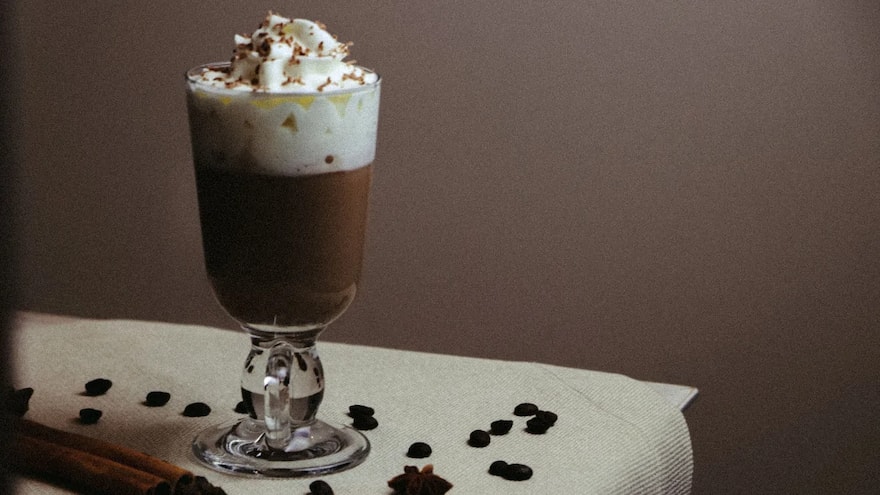
Image credit: Pexels
To make this luxurious cocktail for one, you must gather 40 ml mahua, 20 ml dark cacao liqueur, 15 ml cream, 1 whole egg, 8 to 10 ml jaggery syrup, and some grated nutmeg for garnishing. If using the egg, add all the ingredients to your cocktail shaker and shake with full energy briefly, without any ice. If not using egg, then skip the step and double the cream. Add ice to your ingredient-filled cocktail shaker and now shake with sincerity again, before straining into a small coupe glass. This is the dessert cocktail of this entire set, thanks to mahua's floral sweetness, the bittersweet notes of chocolate, jaggery's deep caramel note, and the drink’s resultant creamy texture. A little nutmeg grated over the top makes the whole thing smell like a contemporary Indian mithai shop after closing time, simply irresistible.
Palm Toddy Negroni
To make this complex-tasting cocktail for one, you shall have to acquire 30 ml toddy, 30 ml bitter aperitif, 30 ml sweet vermouth, and an orange peel. Stir all three liquids over ice and then strain over a large cube into a rocks glass. Toddy's comparatively delicate nature makes this a softer, less astringent interpretation of the classic bitter cocktail, with a natural palm-like sweetness sitting beneath the vermouth and aperitif. The orange peel ensures the three flavours behave nicely together.
Raksi Masala Old Fashioned
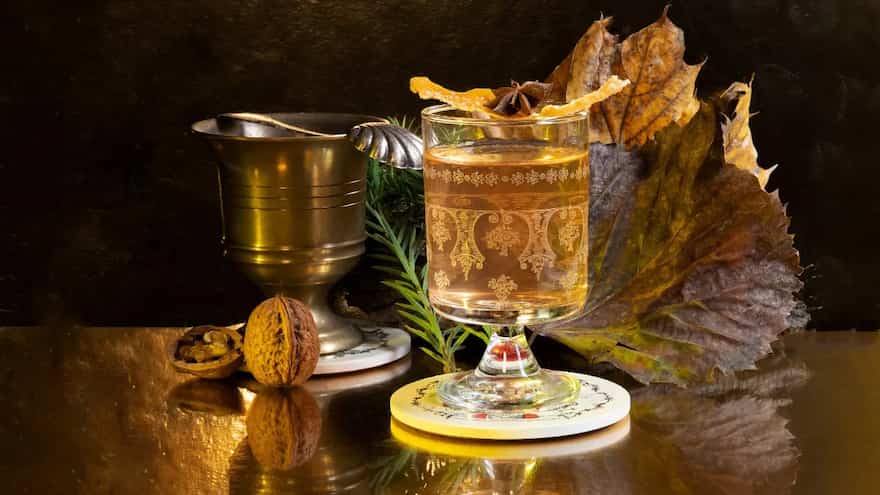
Image credit: Pexels
To make this sophisticated cocktail for one, you shall ensure your home bar has 45 ml raksi, 10 ml date syrup, 2 dashes orange bitters, 1 pinch toasted cumin, and an orange peel. Stir raksi, date syrup, and bitters with ice in a mixing vessel before straining over a large cube into a traditional rocks glass. Instead of burying the Himalayan spirit beneath fruit juice, this preparation treats it seriously like an aged spirit and harnesses its merits in the cocktail accordingly, using date and toasted cumin to underline its natural grain character. Express an orange peel over the top for a warm citrus finish.




