


 Share
Share

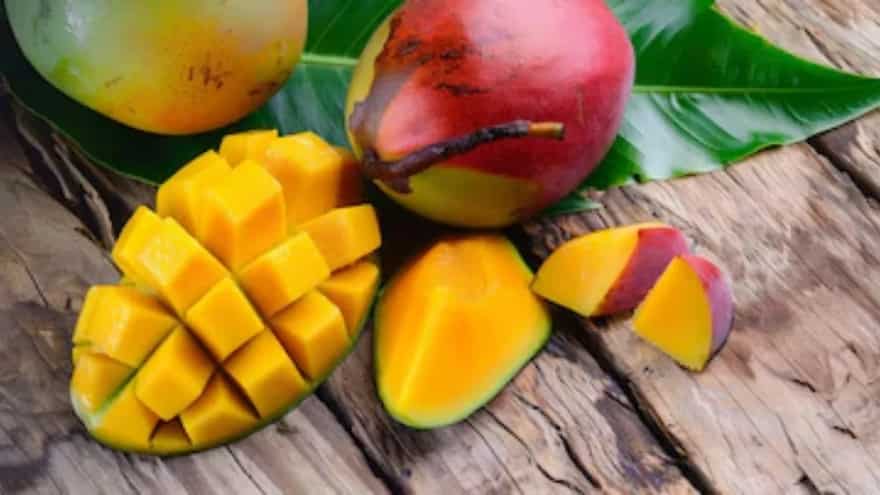
For many Indians, mango season is a festival in itself. From Alphonso and Kesar to Langra and Banganapalli, the country's special fruit travels far beyond its borders during every summer season. Among the global markets that welcome Indian mangoes, Japan has long been one of the most prestigious. Known for its uncompromising food safety rules and extraordinarily high standards for imported produce, Japan is a market that exporters work hard to access.
This is the reason the recent suspension of Indian mango imports has drawn significant attention. After nearly two decades of uninterrupted business, Japan has temporarily halted accepting mango shipments from India. The decision comes when mango season is at its peak in India. It has also raised questions among exporters, farmers, and consumers as well.
While the move may sound surprising, it is not a denial of Indian mangoes alone. Rather, it is linked to situations over export procedures and quarantine conditions that are made to prevent pests from entering Japan. To know the situation, it helps to look at what happened, why Japan acted like this, and how India and Japan have dealt with similar problems in the past.
Why Has Japan Suspended Indian Mango Imports?
The suspension is linked to concerns related to the inspection and treatment process that export-bound mangoes need to undergo before entering Japan.
Japan needs Indian mangoes to pass through a specialised Vapour Heat Treatment (VHT) process. This process is designed to eradicate pests, especially fruit flies, which are thought to be a serious agricultural threat. Mangoes must be made, inspected and approved before they are cleared for export.
As per reports, Japanese authorities recognised procedural issues linked to inspections at facilities accountable for treating export consignments. As a preventive measure, Japan temporarily stopped imports while the matter is examined and remedial measures are enforced.
The move mirrors Japan's strict biosecurity policies rather than situations about the quality, taste, or safety of Indian mangoes themselves.

(Image credit: Freepik)
The Long History Of India's Mango Trade With Japan
The current suspension has revived remembrances of an earlier ban that lasted for about two decades, i.e., 20 years.
Japan first levied restrictions on Indian mango imports in 1986 due to concerns about fruit fly infestations. At that time, Japanese authorities were quite cautious about protecting domestic agriculture from intrusive pests that could harm crops and disrupt food production.
For nearly two decades, Indian mangoes stayed absent from Japanese shelves. The breakthrough came in 2006 when India and Japan decided on a system that included Vapour Heat Treatment facilities and stringent inspection protocols. After ample negotiations and adherence measures, Japan finally lifted the ban, reopening its market for the Indian mangoes.
Since then, types such as Alphonso and Kesar have slowly found a niche among Japanese customers, who are known for their fondness for premium fruits.
Why Japan's Rules Are So Strict
Japan is often considered one of the world's most selective markets for fresh produce. The country implements strict quarantine measures for fruits and vegetables that are imported, because even a small pest attack can cause significant economic consequences. Fruit flies, in certain cases, are closely watched because they can affect a wide range of crops.
As a result, imported fruits need to meet detailed treatment, documentation, and inspection needs. Any concerns about compliance can cause immediate action.
While such rules may seem harsh, they are normal practice within Japan's agricultural security system and apply to imports from many countries, not just India.
(Image credit: Freepik)
What Happens Next?
The suspension is currently regarded as a temporary measure rather than a permanent ban. Indian authorities and exporters are anticipated to work with Japanese officials to address inspection-related problems and restore confidence in the export process.
For Indian mango growers and exporters, the goal will be to show that all treatment and certification procedures fully meet Japanese standards.
For now, the halt serves as a reminder that in the global food market, quality alone is not sufficient. Even the world's most loved mangoes need to fulfil some of the world's most stringent import rules before they can go to international customers.




