


 Share
Share

Aside from being peak in terms of nutritional content, seasonal and local produce are also high on flavour when in season. Enjoying a variety of produce ensures that the nutritional qualities of ingredients remain at their fullest—thus retaining more vitamins, minerals and antioxidants. In addition to this, having access to a wider variety of produce throughout the year can be considered one of the key advantages of eating seasonally, while supporting local farmers and food producers as a consequence. Remaining deeply connected to these stakeholders helps build a community where transparency of food systems form the foundation of a long-sustaining chain that is carried forward across multiple generations—creating a culinary heritage that is individualistic and personal. Unlike imported foods which travel thousands of miles to reach consumers and are faced with multiple preservation techniques as well as an increase in carbon footprint, food growing within a limited radius during its natural season not only reduces the demand for artificial growing methods, but also the need for excessive packaging and long-distance shipping—all of which degrade the environment drastically.
Lead With Questions, Not Lists

Image Credits: Unsplash
To develop a knowledge about what’s in season based on geography, it is important to have a collaborative relationship with local vendors who are usually the gatekeepers of what’s at its peak seasonally. Paying a weekly trip to vegetable markets and getting a sense of what has always remained and what seems to have made an appearance recently is a great starting cue. Interacting with sellers to know what arrived fresh on any particular day could also be ideal. To maintain cost-effectiveness, inquiring about produce that’s available in plenty but not moving can be a great way to cash in and pick up a large batch of it, without breaking the bank.
Anchor Ingredient

Image Credits: Wikimedia Commons
While certain meal components like dal-chawal or rotis essentially remain the same throughout the year, find an ingredient or two which changes according to the season—to feature on the plate. For example, pair your portion of ghee rice with a gongurra pachadi in the summer or include the Gujarati patra during the monsoon season, as an add on accompaniment. This way, there’s always something new and exciting to look forward to, in cooking as well as eating. Enjoy a simple meal of khichdi with gajar-shalgam pickle during the winter season or have a serving of palak raita with pulao or biryani. This brings colour and nutrition, making seasonal eating seem approachable and achievable.
Flexible Templates

Image Credits: Unsplash
One of the advantages of eating local and seasonal food is that most ingredients can be adapted across a variety of dishes—creating versatile approaches to a single ingredient. It isn’t always in the best interest to use fresh fenugreek in theplas or parathas, since the risk of meals getting monotonous could discourage the consumer from buying fresh greens. However, adapting it to recipes like usal, kootu, Asian-style stir fries and even sun-drying it to use as a condiment in stews or soups breathes new life into a single ingredient and expands the scope for experimentation. Having the capacity to adapt other ingredients in similar fashion within template dishes that are comforting and familiar, also enables the consumer to eat what they like but still eat sustainably.
Also Read:
Smart Pantry Stock Up
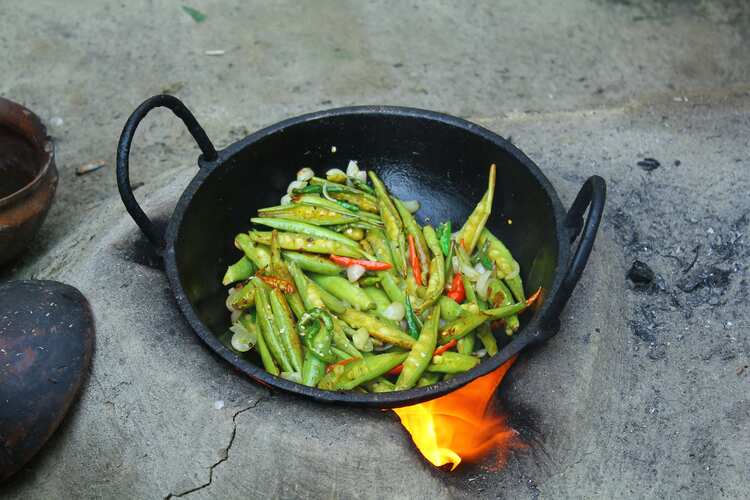
Image Credits: Unsplash
Investing in high-quality spices, cold-pressed oils, small-batch spice blends, extracts are small touches which bring about significant transformation to locally-sourced ingredients. Use kokum or Coorg kodampuli as a souring agent in curries or amti to take the ‘local’ a little further while also elevating the flavour. Sprinkle a lentil podi over a cauliflower sabzi to introduce mild crunch and nuttiness—making good ol’ sabzi taste a little different than usual. Toss green peas with some green garlic in sesame oil and enjoy it over a bowl of rice and protein; all using a few year-round pantry supplies.
Source Cleverly
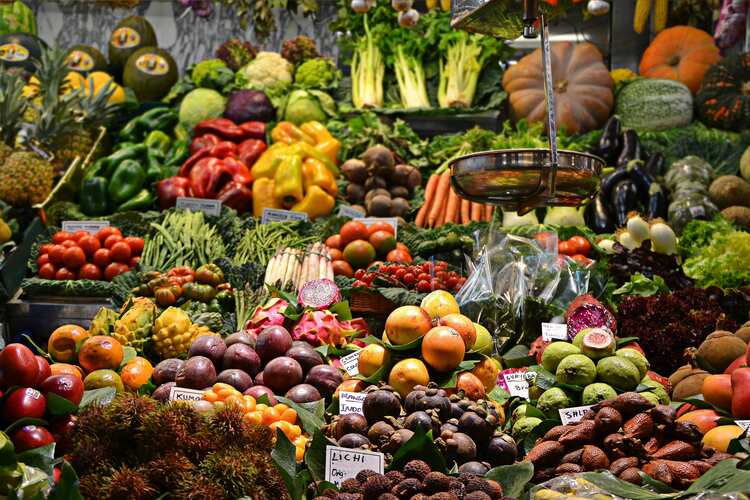
Image Credits: Unsplash
Subscribe to produce collectives online, visit your nearest community-supported agriculture (CSA) or farmers’ markets to directly purchase from food producers, without having to shell out a cut for the aggregators or middle men. Having a line of communication with farmers that is direct allows the consumer to cultivate a deeper sense of understanding with regards to why they need to be given fair prices in exchange for their products, having full authenticity of where the food comes from and what would be the potential challenges in sourcing it the next time. Additionally, collectives also encourage consumers to support a limited group of producers who feel motivated to practice ethical and environment-friendly methods in exchange for due compensation.
Eating Out Seasonally

Image Credits: Wikimedia Commons
Visit a neighbourhood cafe and order the day’s special or go to a reliable seafood restaurant to relish a fish thali replete with what’s cooking for the particular season. Pay attention to any gourmet specials made using indigenous ingredients to order for the table. Show support to food pop-ups that encourage cooking with ingredients one might typically not find as easily at the vendor. Urge meal companions to split a portion of a dish featuring local produce to introduce them to a new ingredient in a form that they might find enjoyable.




