


 Share
Share

THE 2026 INTERNATIONAL BOOKER PRIZE has gone to Taiwan Travelogue by Yáng Shuāng-zǐ, translated by Lin King — a novel that turns food into far more than sensory detail, using taste and appetite to map the emotional and political complexities of colonial Taiwan. This win marked several firsts at once. It became the first Taiwanese novel and the first work originally written in Mandarin Chinese to receive the prize.
But beyond the literary milestone, Taiwan Travelogue feels particularly significant because it is, at heart, a food novel. Not in the comforting, nostalgic way food writing often operates, but as something sharper: food as evidence of colonialism, longing, class anxiety, assimilation, memory and performance.
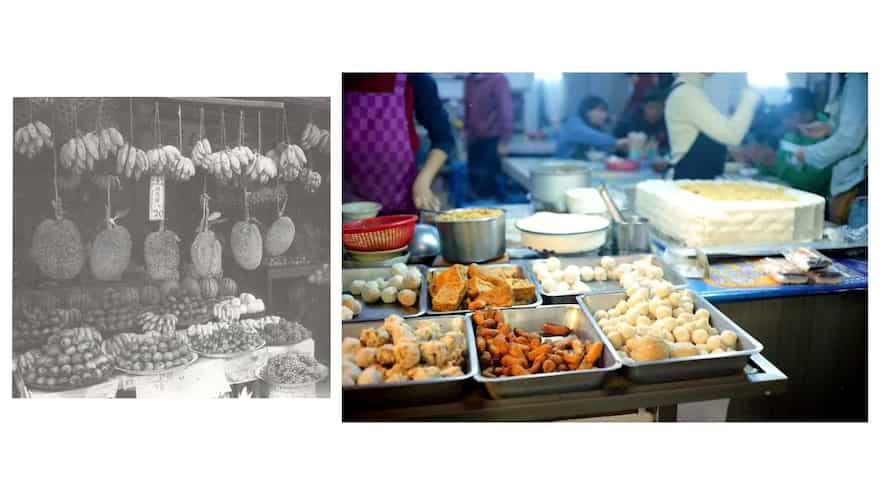
Set in 1938 during Japanese occupation in Taiwan, the novel follows a fictional Japanese writer, Aoyama Chizuko, who travels across the island with her Taiwanese interpreter, Ō Chizuru — known as Chi-chan. The two women move through railway towns, banquet halls, noodle shops and teahouses, eating their way across Taiwan while navigating the uneasy emotional terrain between coloniser and colonised.
The Booker judges called it “both a romance and an incisive postcolonial novel.” But what makes the book linger is how insistently it returns to taste — to bowls of clam noodles, Japanese sukiyaki, local sweets and street-side snacks — as if cuisine itself were a contested archive.
In many ways, Taiwan Travelogue joins a growing canon of East Asian literature where food becomes inseparable from history. Readers familiar with Midnight Diner, Eat Drink Man Woman or even the meditative culinary passages in The Gourmet will recognise that same belief: a meal is never just a meal. It is biography, geography and politics plated together.
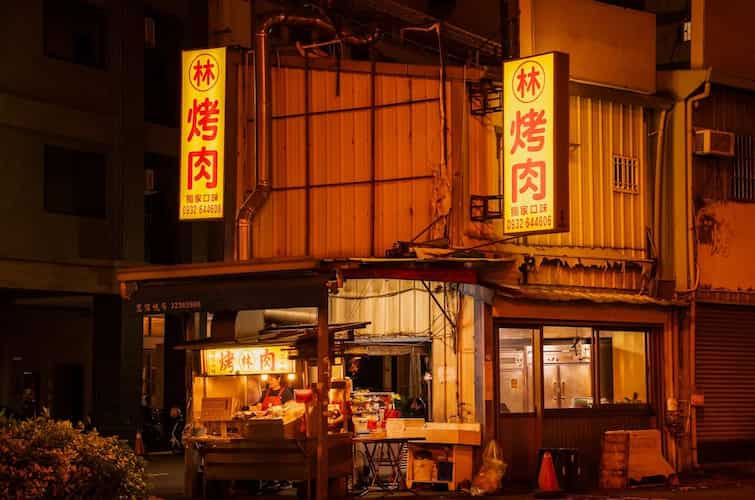
Yet Yáng’s novel pushes this further. Food here is seductive but also dangerous. Every carefully described feast raises uncomfortable questions: who gets to consume culture, and who gets consumed alongside it?
In an interview published by the Booker Prize, Yáng Shuāng-zǐ and Lin King described translated literature as “the best kind of travel,” one that places readers “into a visceral conversation with our fellow humans.” That idea runs throughout the novel. Chizuko believes she is discovering Taiwan through its cuisine, but the book repeatedly exposes how superficial culinary curiosity can become under imperial power structures.
The novel’s elaborate metafictional structure deepens this tension. Taiwan Travelogue presents itself as a rediscovered Japanese memoir later translated into Mandarin, complete with fictional footnotes, translators’ annotations and archival commentary. The result is deliberately unstable. Even language itself feels unreliable, layered with competing histories and shifting loyalties.
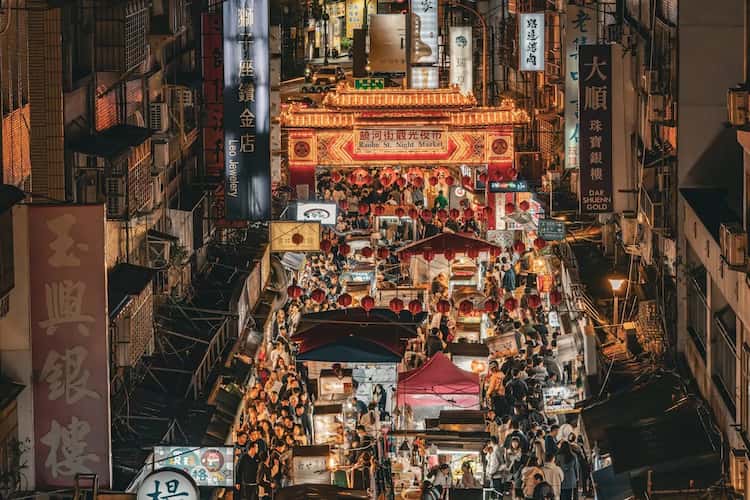
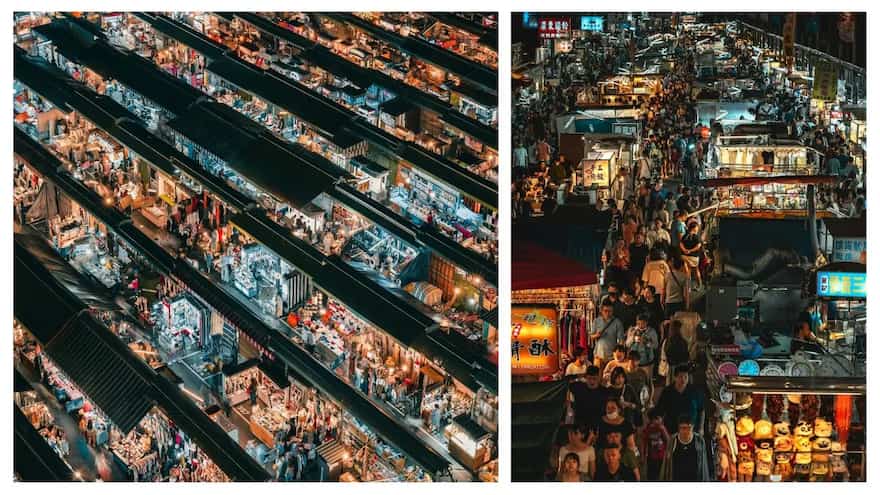
That complexity extended into the English translation as well. Lin King has spoken about the immense challenge of translating a text already obsessed with translation, multilingualism and colonial hybridity. The novel moves between Mandarin, Japanese, Taiwanese Hokkien and Hakka, while also carrying the emotional residue of occupation-era speech.
And food, once again, becomes the emotional bridge.
A particularly memorable sequence involving clam noodles has already drawn attention from critics and readers alike. In an essay for Taiwan Insight, scholars noted how the novel uses food to construct collective memory and nostalgia, quoting Chi-chan’s reflection that “the taste of clam noodles is deeply etched into my childhood.” The line captures the novel’s larger project: taste as inheritance.
This attention to culinary detail has become one of the book’s defining features internationally. The Atlantic, in a review aptly titled The Sense That Most Defines a Culture, argued that the novel treats taste as the deepest marker of identity. Meanwhile, critics at Words Without Borders described the novel as “a fearless record” of colonial Taiwan, highlighting how it captures the merging of Japanese, Chinese, Indigenous and Western culinary influences.
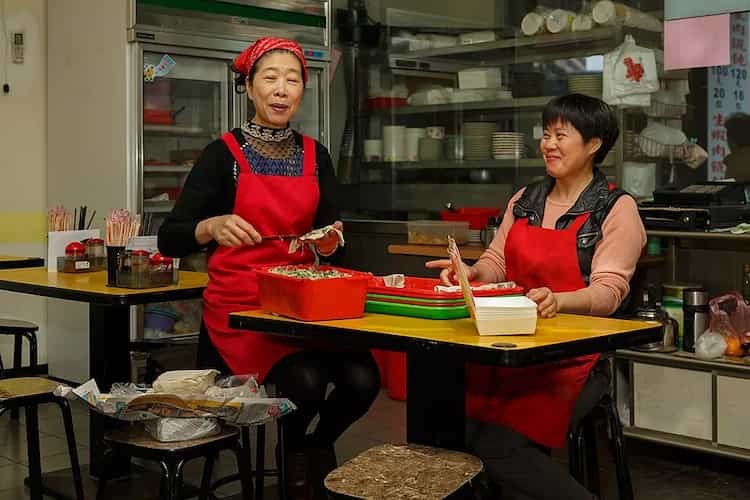
That hybridity is central to Taiwanese cuisine itself.
Long before bubble tea became a global shorthand for Taiwan, the island’s food culture evolved through centuries of migration, trade and occupation — Indigenous cooking traditions colliding with Fujianese influences, Japanese imperial cuisine, and later post-war Chinese regional foodways. Dishes like beef noodle soup, oyster omelettes and railway bentos all carry fragments of political history within them.
Taiwan Travelogue understands this instinctively.
The meals in the novel are lushly described, but never romantically detached from power. Banquets become theatres of colonial etiquette. Local dishes are praised even as local identities are suppressed. Culinary curiosity coexists with surveillance and hierarchy.
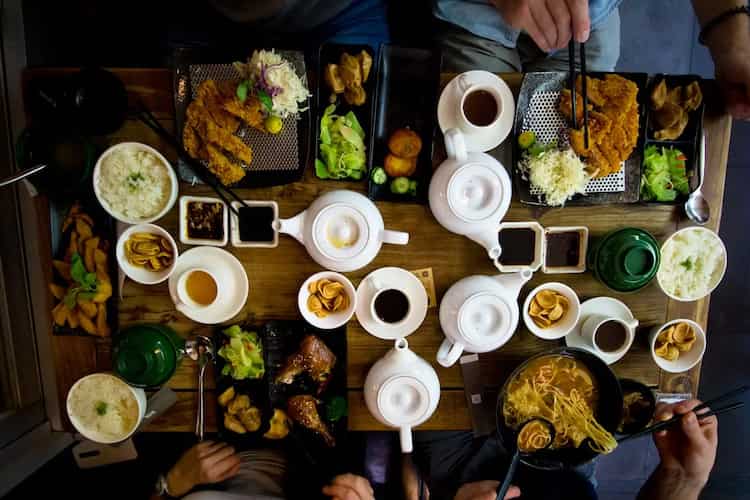
That contradiction feels especially resonant now, at a moment when global food culture increasingly celebrates “discovery” without interrogating the histories beneath it.
In recent years, Taiwanese cuisine has slowly gained greater international visibility through chefs, documentaries and cinema. Shows like Street Food: Asia devoted episodes to Taiwan’s night markets and regional snacks, while films emerging from the New Taiwanese Cinema movement frequently used meals as emotional shorthand for displacement and modernity. But Taiwan Travelogue may be among the first major literary works to make cuisine itself the architecture of a colonial narrative.
Perhaps that is why the Booker win feels larger than literary recognition alone.
The novel does not simply describe food beautifully. It asks what survives through food when language, borders and political systems keep shifting. It asks whether appetite can ever be innocent. And it reminds readers that every cuisine carries ghosts — of migration, empire, desire and memory — long after the table has been cleared.




