


 Share
Share

Bengalis have turned posto into the queen of the kitchen, and truth be told, posto is used in other cuisines of India too, but mostly as a garnish. In case you don’t know, posto is the residual byproduct of the poppy plant, Papaver Somniferum. The plant produces pods, which are a rich source of opium. Once the narcotic drug is extracted from the pods, the tiny poppy seeds are left behind. So no, eating Posto will not give you any high except in terms of foodgasms, because the narcotic aspect has been removed. And yet, it is the greed for opium that led to the discovery of Posto by the farmers of colonial Bengal (current areas of Bengal, Bihar, Jharkhand, Odisha and Bangladesh were a part of the Bengal Presidency during those times).
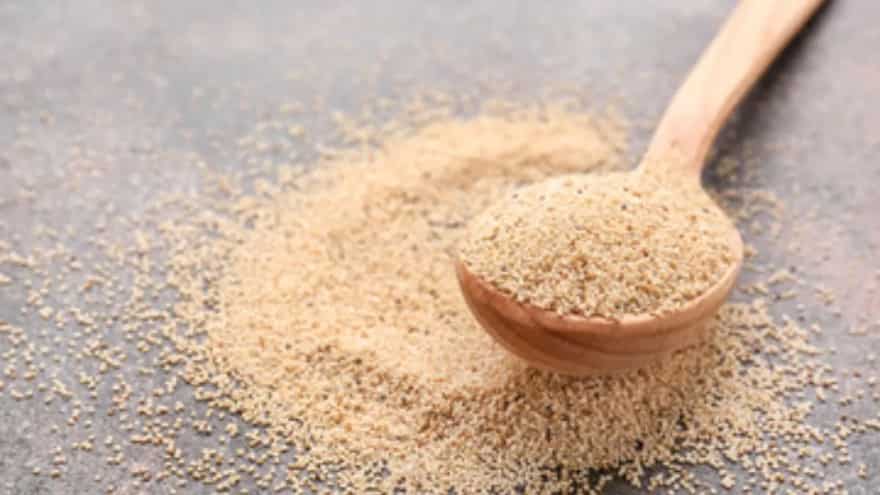
Image Credit: Adobe Stock
Ancient Indian and even Islamic medicinal texts, like the Dhanwantari Nighantu, suggest that opium was used in India long before the British arrived for medicinal purposes. But its cultivation and trade were limited, and the extraction was only ever done to treat ailments or for use as a recreational drug. The traders behind the British East India Company, however, realised in the nineteenth century that if they had to compete with China’s booming opium trade, then they needed cheap and easy access to opium too. Their eyes, as usual, fell on Bengal.
Large tracts of land in North and East India (basically the entire Ganges belt) were restricted to only opium cultivation. Historian Rolf Bauer, in The Peasant Production of Opium in Nineteenth-Century India (2019), writes that at its peak, poppy was harvested by 1.3 million peasant households. The British opened two opium factories on the banks of the Ganges to turn the opium extract from the poppy pods into cakes or balls, pack them in wooden chests, and transport them to China to wage the infamous Opium Wars (1839-1842).
What was left behind for the severely impoverished Indian opium farmer were the poppy seeds. The farmer households, which were burdened by the exploitative British taxation and agricultural system, realised that they had to eat something, right? In their hour of need, they picked up posto; the women of these households experimented with it, and thus was created the proud, survivalist legacy of posto. As Bengali cuisine and its vegetarian dishes gain popularity across India and the world, everyone is slowly and surely becoming aware of the benefits of having this ingredient in the kitchen and how to whip up some delectable posto dishes from Bengal kitchens:
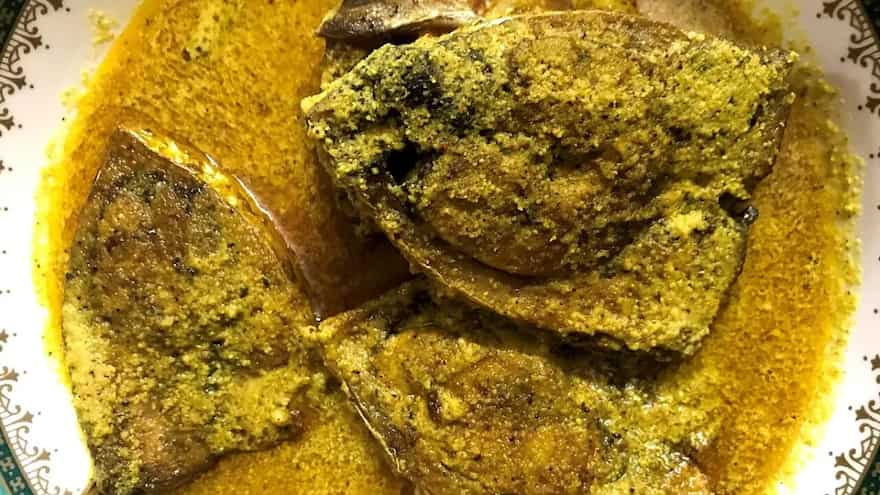
Image Credit: Wikimedia Commons
Ilish Posto Bhapa
A classic Bengali meal called ilish maacher posto bhapa is made of hilsa fish marinated in mustard paste and poppy seeds, wrapped in banana leaves, and steam-cooked. The fish gets a distinct, strong flavour from the mustard and poppy seeds, and a light scent from the banana leaves. This dish embodies the essence of Bengali cuisine with its unique taste and thick, somewhat spicy texture. The flavours of the fish and the accompanying mustard-poppy seed paste meld together when it is served with steamed rice. The dish's strong flavours are complemented by the rice's simplicity, making for a well-balanced and filling dinner. Bengali people celebrate Ilish maacher posto bhapa as a delicacy on festivals and special occasions because of its cultural significance.
Paneer Posto
Cubes of paneer, or Indian cottage cheese, are cooked in a thick and fragrant paste made from poppy seeds to create the delectable Bengali delicacy known as paneer posto. The paneer lends a creamy texture and the poppy seed paste gives the meal a nutty, somewhat sweet taste. Mustard oil is usually used to season the food, which intensifies its unique Bengali taste. Steamed white rice goes well with the creamy texture of the paneer and counteracts the strong flavours of the poppy seed paste, which is why paneer posto is frequently served with it. The complex flavours of the dish are accentuated by the simplicity of the rice served alongside it. To give a bit of freshness and spice to the dish, a light salad or a side of green chillies could also be offered.
Chingri Posto
The result, to put it posto mildly, is nothing short of pure culinary magic! Many people use potatoes and ridge gourd to make this dish more filling, but if it’s your first time cooking with posto and prawns, it’s better to stick to the basics. If you use jumbo or tiger prawns for this dish, and add a few cashews to your poppy seed paste, this chingri posto can turn every meal into a feast that your palate deserves! Just like posto, prawns are an ingredient that is added by West Bengalis, also known as Ghotis, to vegetarian dishes to enhance them. From bottle gourd to pointed gourd, chingri has successfully turned the most boring of vegetables into dishes that are served at wedding banquets, feasts and get-togethers.
Potol Posto
Bengali potol posto is a simple preparation of pointed gourds in a thick posto or poppy seeds paste. The basic recipe follows more or less similar steps in the cooking method. It is one of the go-to niramish or sattvic (vegetarian dishes barring onion and garlic) that Bengalis add to their summer meal platter. Potol posto is an easy recipe and tastes best with steamed rice. The use of poppy seed paste lends it a creamy texture. A few people also like to add coconut paste to the poppy for extra richness. It falls into the dry curry version and is served as a side dish. One can tweak the spice levels according to preference.
Dim Posto
This is a rich, thick egg curry that is cooked with poppy seeds or posto. Posto can facelift any dish, and mixed with eggs, it’s sheer delight. There’s nothing else that goes into this dish except for a few green chilies so add to the fire. This curry is has a subtle earthy and nutty taste. The main flavour profile of this curry is poppy seeds, mustard oil and green chillis. This egg curry dish is actually rather simple to create. Pairing it up with steaming hot rice is like a bowl of comfort during bad days!

Image Credit: Wikimedia Commons
Shorshe Posto Tilapia
Tilapia happens to be a freshwater fish that inhabits shallow streams, ponds, and rivers. This mild-flavoured fish is extremely easy to cook and tilapia fish is an important fish in a Bengali kitchen. Tilapia fish cooked in a mix of mustard and poppy seeds paste, this dish is much simpler and flavourful. Just increase the quantity of poppy seed paste or ‘posto’ and see how delicious this curry tastes. Tilapia may be replaced with any other fish of your choosing in this recipe. If you’re using ready-to-use mustard powder, then make a separate paste of green chillies and add it while adding mustard paste into the curry.




