


 Share
Share

When Rangbhari Ekadashi is celebrated in Varanasi, the city not only plays with gulal, but it also changes its sweet shops into stages of celebration. The festival marks Lord Shiva’s return to Kashi with Goddess Parvati after their celestial marriage; the celebration goes beyond just from the temple to sweet shops that have been prepaering same recipes that have been passed down through generations. In Banaras, mithai is not something like an afterthought to celebration, but it is a very much a part of the celebration itself.
What sets Banarasi sweets apart from anywhere else is their unapologetic richness in every bite. Milk is condensed patiently until it turns grainy and caramelised, khoya is cooked just enough to release its nutty aroma, and nuts are generously layered between layers of malai. Even something as quick as malaiyyo relies on the winter dew- a seasonal dessert that you will not findany elsewhere, but here. For tourists and visitors, having a bite of these sweets while on a visit during Rangbhari Ekadashi is not just about trying it once, but it's about experiencing the local ritual.
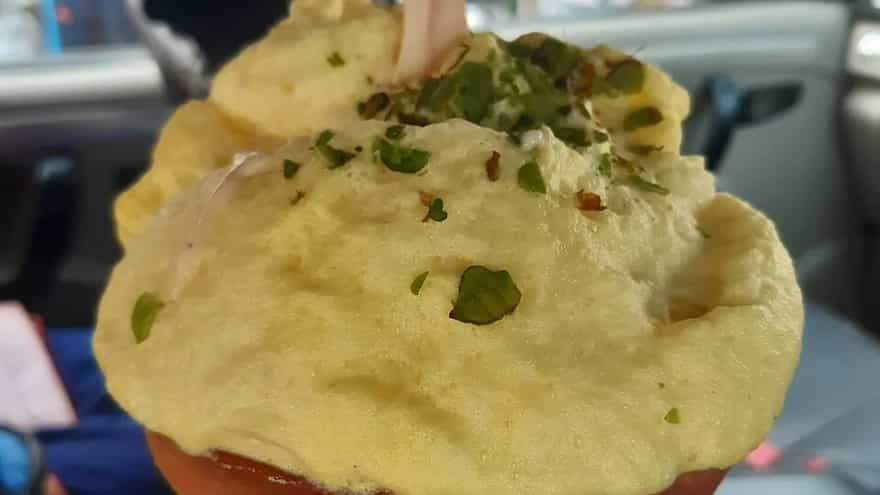
Malaiyyo
If you are in Varanasi during Rangbhari Ekdashi, scooping on malaiyyo is absolutely unmissable. This winter treat is prepared by stirring dew-kissed milk froth and flavoured up lightly with saffron strands and pistachios. It feels like you are having a bite into a sweet cloud, which is extremely airy, light, and will dissolve the second you keep it on your tongue. What makes it unique is that it is a seasonal sweet, and you cannot find it all year round because it requires dew drops that are available only during colder months.
Where To Eat: Shreeji Sweet Shop and many other shops in the lane near Kal Bhairav Mandir
Launglata
Go for launglata only if you have a very sweet tooth, as this sweet is unapologetically rich and drenched in sugar syrup. It is a kind of crisp maida parcel filled with stuffing made of khoya and dry fruits, sealed with a clove on the top, fried and dipped in sugar syrup. With every bite, you will feel flaky layers from the outside with lush filling within. The clove adds to the warmth, delivering a slightly spicy note that perfectly balances the sweetness.
Where To Eat: Sweet shops near Godowlia and near the Kashi Vishwanath temple lanes.
Palangtod
This sweet is as dramatic as its name. This classic Banarasi sweet is thick, generously layered with khoya, chopped nuts, and a silver varq from the top, making it unapologetically rich and luxurious in every bite. It is a heavy sweet, having a fudgy, almost chewy texture that remains with you for a longer time. During Rangbhari Ekdashi, the sweet is also offered as a prasad in temples. One piece of this feels like having a full dessert in itself. It is rich, and the lightly caramelised milk flavour makes it stand apart from the other regular barfis, sweets and desserts.
Where To Eat: Go for traditional mithai shops in the old city areas, such as Chowk and Godowlia areas.
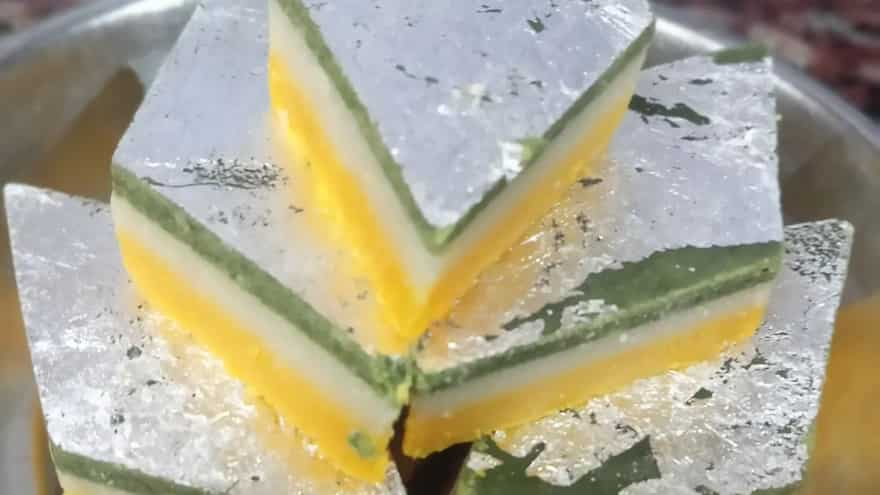
Tiranga Barfi
The bright and appealing layers of pista, plain khoya, and kesar make this sweet visually appealing and align with the essence of the festival. Tiranga barfi not only looks pretty, but has layers that are slightly different from each other in flavour and texture, making every bite enjoyable. During Rangbhari Ekdashi, its vibrant look accurately fits perfectly into the festive mood of Varanasi.
Where to eat: Try at Rasvant sweet shops and across the Lahurabir and Chowk areas.
Rabri
Rabri is basically slow-cooked milk that is simmered for hours until it gets a thick, creamy layer. It is extremely rich and aromatic in every bite. Flavoured up with cardamom and garnished with chopped nuts, it tastes luxurious in every bite. When in Varanasi during Rangbhari Ekdashi, a chilled bowl of rabri after exploring the ghats can feel immensely satisfying. The depth of flavour is derived from patience and continued stirring.
Where To Eat: Near the ghats and in traditional old sweet shops in old city lanes.




