Share
Share

Ask a Bengali and you’ll get to know how beautifully Hilsa has become the soul of their cuisine. From a basic ilisher jhol with potato and eggplants to a steamed marinated Bhapa ilish, Bengal has some of the most sophisticated collection of recipes when it comes to exploring hilsa. This monsoon, YAYAvar at Hyatt Centric Ballygunge Kolkata hosted Ilisher Harano Pata: The Traditional Recipes of Bengal, a three-day chef-led culinary pop-up held from 10th to 12th July 2026 at 17 Garcha 1st Lane, Dover Terrace, Ballygunge, Kolkata, West Bengal 700019. 
Image Credit: Chef Samita Halder
Presented in partnership with Chef Samita Halder, the special experience invited guests to rediscover a side of Ilish that has quietly faded from contemporary dining spaces. The pop-up focused on forgotten heirloom Hilsa preparations from Bengal’s traditional kitchens—recipes that survived through memories, family conversations, and generations of home cooks rather than written records.
The carefully curated selection of the dishes was a pleasant surprise, following the traditional flavours presented with refinement without losing their essence. The flavours were balanced, thoughtful, and deeply connected to the monsoon season, when Ilish has always held a special place in Bengali homes.
The dishes celebrated a seasonal ingredient. They reflected the emotional relationship between food and memory that runs through every Bengali’s heart and soul and this connection made the pop-up stand apart from a conventional Ilish festival.
Ilisher Harano Pata: Chef Samita Halder Brings The Forgotten Recipes of Bengal To The Table
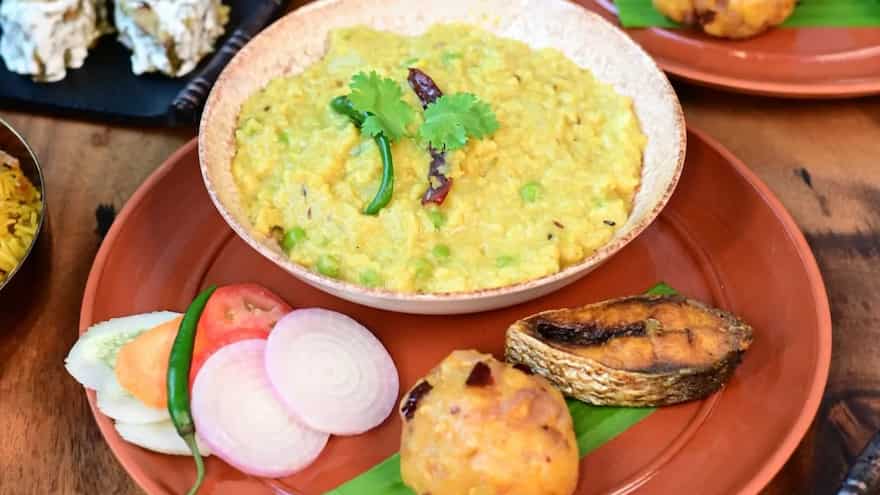
Image Credit: Hyatt Centric Ballygunge Kolkata
Slurrp got an opportunity to speak with Chef Samita Halder about the inspiration behind Ilisher Harano Pata, her heartfelt connection with Hilsa, and the process of reviving recipes that were slowly disappearing from everyday kitchens.
When asked about her childhood memories of the monsoon and how those moments shaped her connection with Hilsa, Chef Samita shared, “The monsoon always takes me back to my childhood in rural Bengal—the smell of rain on the soil, overflowing ponds, lush green fields, and the sound of rain on tin roofs. It was also the season when fresh hilsa arrived in our kitchen. We waited for it every year. Those memories taught me that food is not just about taste; it is about seasons, family, and belonging.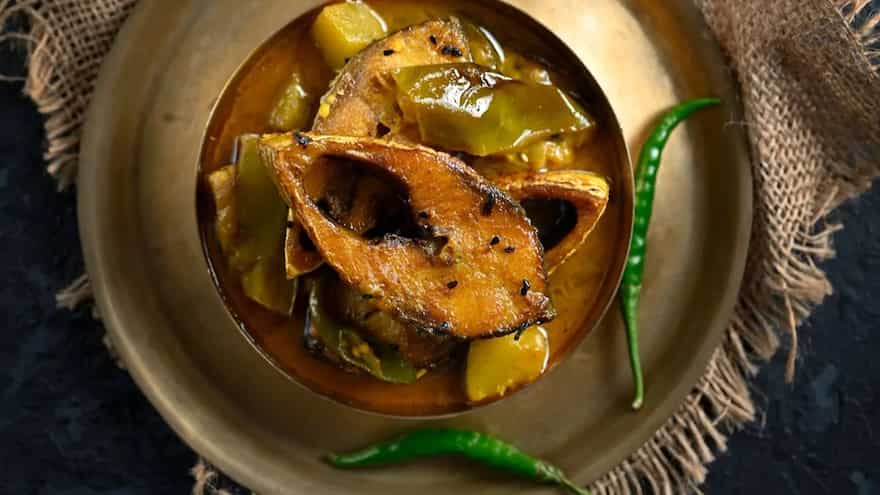
Image Credit: Creative Commons
When YAYAvar at Hyatt Centric Ballygunge Kolkata invited me to present Ilisher Harano Pata, it immediately felt like the right platform because its philosophy of celebrating authentic regional cuisines mirrors my own belief that food is a powerful way of preserving culture and memory. That emotional connection continues to inspire my cooking today.”
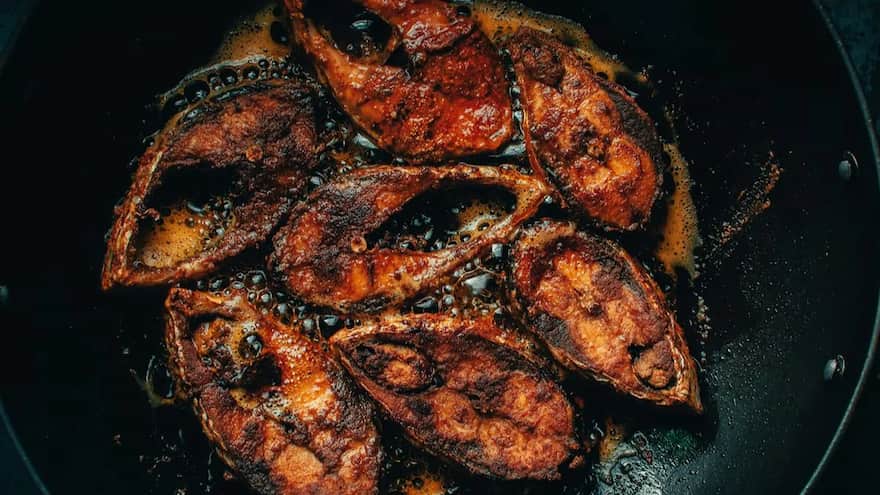
Image Credit: Unsplash
Speaking about her decision to revive forgotten Hilsa preparations, she explained that many recipes still existed through oral traditions. “As I travelled across Bengal for my food journeys, I realised that many beautiful hilsa recipes still lived in people's memories but had slowly disappeared from everyday kitchens. I spent time talking to elderly home cooks, documenting their recipes, and listening to the stories behind them.
Ilisher Harano Pata is my way of preserving those memories and bringing these heirloom dishes back to the table before they are traditional. What makes this showcase even more meaningful is that it is being presented at YAYAvar, where curated culinary pop-ups are designed to celebrate the richness and diversity of India's regional cuisines. It is a wonderful opportunity to introduce these forgotten recipes to diners in a contemporary setting while staying true to their roots.”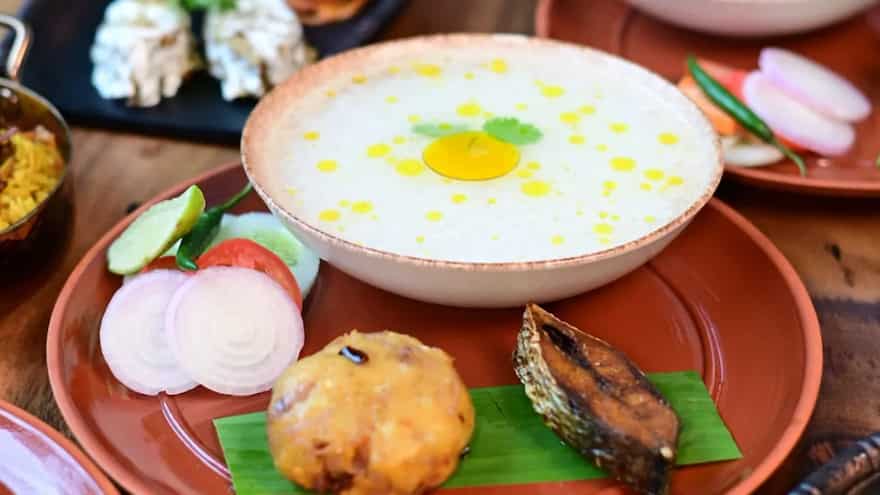
Image Credit: Hyatt Centric Ballygunge Kolkata
For Chef Samita, the project was not simply about recreating old dishes but about preserving the cultural stories attached to them. Discussing the importance of protecting traditional recipes in today’s changing culinary landscape, she said, “Food is an important part of our cultural identity. If we stop cooking these recipes, we lose more than a dish—we lose memories, traditions, and the knowledge of our ancestors. I believe it is our responsibility to preserve these lesser-known home-style recipes and share them with the next generation, so they understand how rich and diverse Bengali cuisine truly is.
Spaces like YAYAvar, Hyatt Centric Ballygunge Kolkata, which are committed to bringing authentic regional cuisines to life through thoughtfully curated culinary experiences, create the perfect platform for these stories and recipes to reach a wider audience.”
The regional diversity of Bengal’s Ilish traditions formed the foundation of the menu. Chef Samita highlighted that her exploration was deeply personal, involving conversations with home cooks and an understanding of traditional cooking practices. She noted, “My exploration has been deeply personal rather than academic. I have spent years talking to elderly home cooks, listening to their memories, and collecting recipes that have quietly travelled through generations without ever being written down. Every conversation revealed not just a dish, but a story of a family, a river, or a season.”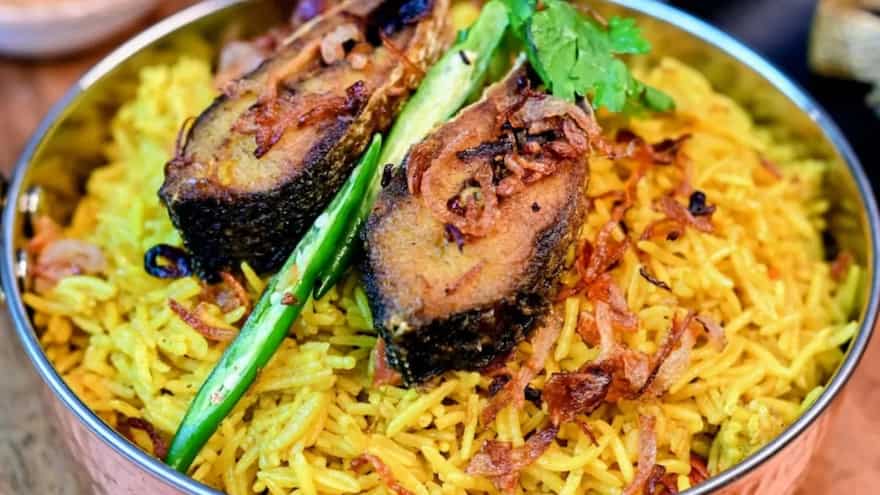
Image Credit: Hyatt Centric Ballygunge Kolkata
The menu at Ilisher Harano Pata represented this philosophy through a collection of rare preparations rarely found on restaurant menus today. Guests experienced dishes including Kumro Patai Bhapa Ilish, Manikganj er Til Narkel Ilish, Barishal er Ilish Sada Pulao, Kachu Saag Ilish er Matha Diya, Tetul er Ilish Tok, Mocha-Kola Ilish er Jhol, and Ilish Biryani.
As Chef Samita Halder mentioned, “I hope people leave with a deeper appreciation of Bengal's culinary heritage. Every dish on this menu carries a story—of a family, a village, a season, and a way of life. If my guests leave feeling curious about these traditions and inspired to value our local ingredients and regional recipes, I will feel that this journey has been meaningful. More than anything, I hope they leave with the feeling that preserving our culinary heritage is just as important as creating new food experiences.”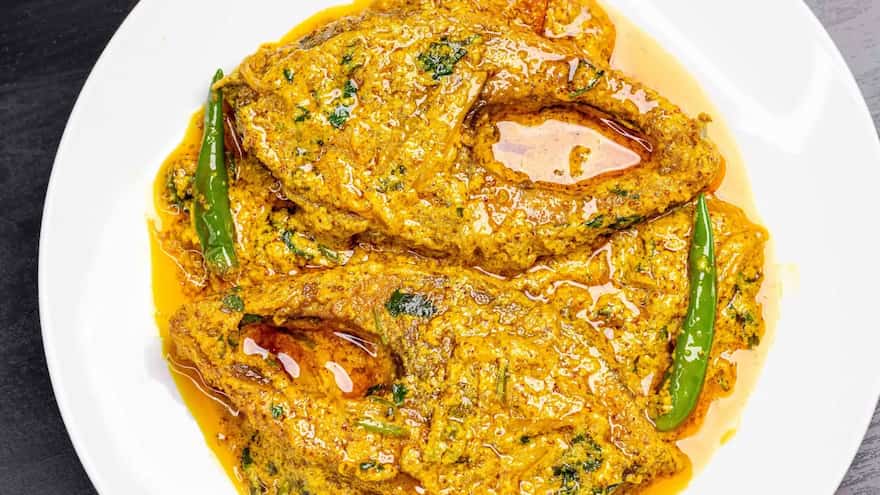
Image Credit: Adobe Stock
The pop-up was also a reflection of collaboration between chefs who shared a common vision of authenticity. Chef Saugata Halder, head chef and official spokesperson for the brand, emphasised the emotional and cultural significance of Hilsa. He said, “For me, Hilsa is much more than a fish—it is an emotion. Growing up in Bengal, Hilsa was deeply associated with family gatherings, festive occasions, and the arrival of the monsoon. There is a sense of nostalgia attached to it that instantly brings back memories of home and tradition.”
He further explained the importance of preserving these lesser-known recipes, adding, “It is not just about serving food; it is about preserving stories, memories, and cultural heritage through the medium of Hilsa.”
Being part of Ilisher Harano Pata was a wholesome culinary experience—not only because of the thoughtfully prepared dishes but also because of the effort behind bringing these forgotten recipes to life. The sumptuous dinner reflected the dedication of the entire culinary team, while YAYAvar’s hospitality created the right setting for an experience rooted in tradition yet presented with contemporary sensibility.