


 Share
Share

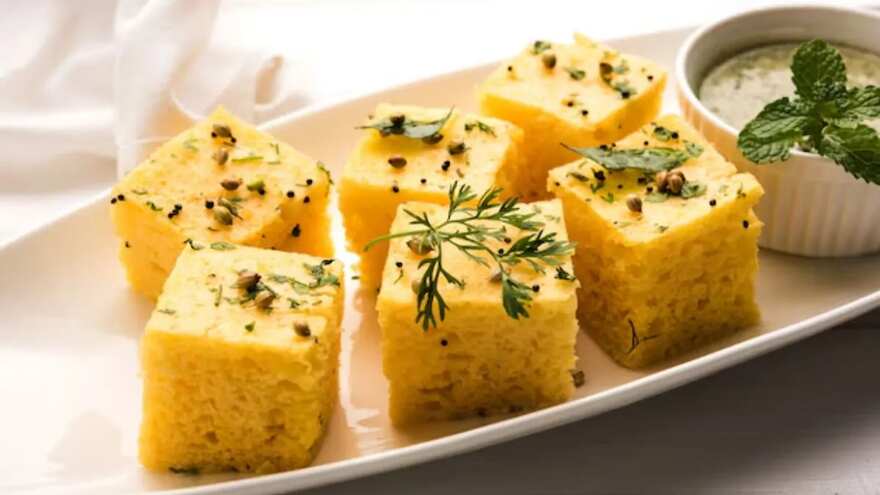
Fermented foods have always been praised for their lightness and digestibility, and in India, idlis and dhoklas are two timeless examples. While idlis come from the South and dhoklas from the West, both have their fans across the country. Both idlis and dhoklas are soft, comforting, and often recommended as healthy breakfast choices. But if you look closer at their ingredients, calorie counts, and nutritional benefits, one is actually healthier than the other. If you want to know which one you should opt for, read below.
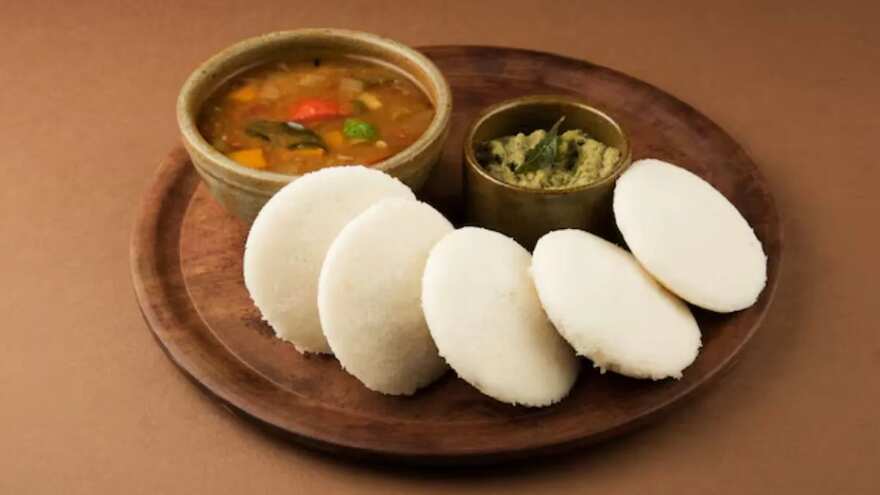
Fermentation Benefits
Both idli and dhokla are fermented food items, which makes them healthy. Fermentation not only gives these snacks their signature tang but also helps in digestion and has gut-friendly properties. Idli batter, made with rice and urad dal, ferments naturally overnight, introducing probiotics. Dhokla, on the other hand, is made using a quicker fermentation process with curd and an instant leavening agent like Eno or baking soda. While both contribute to better gut health, idlis’ traditional fermentation process offers a slight edge in probiotic diversity.
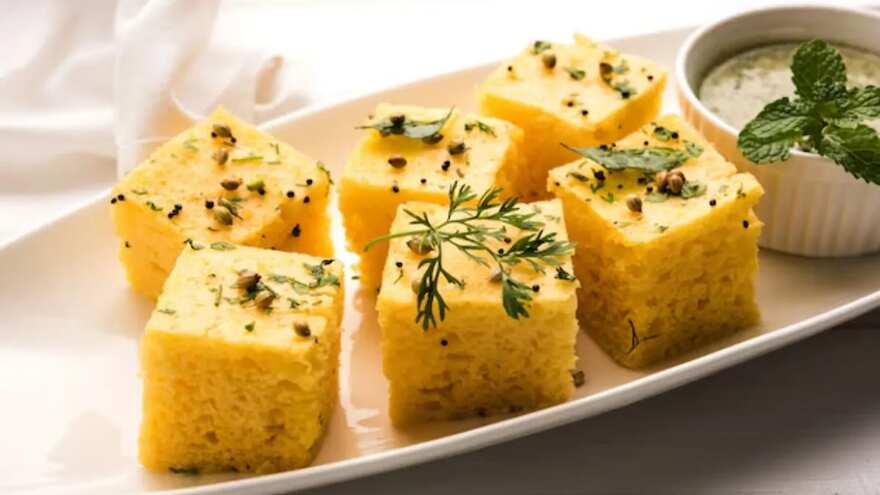
Protein, Carbs, and Calories
Idlis and dhoklas are both rich in macronutrients. Dhokla, made with besan, is higher in protein and fibre, which helps to keep you full and manage hunger pangs. Idli, on the other hand, is rice-based, rich in carbs but has lower calories per serving. A single idli contains about 35-40 calories, while a piece of dhokla has around 50 calories, depending on tempering and portion size. Those who want a light snack can prefer idli, while dhokla is a better option for people looking to stay fuller for longer.
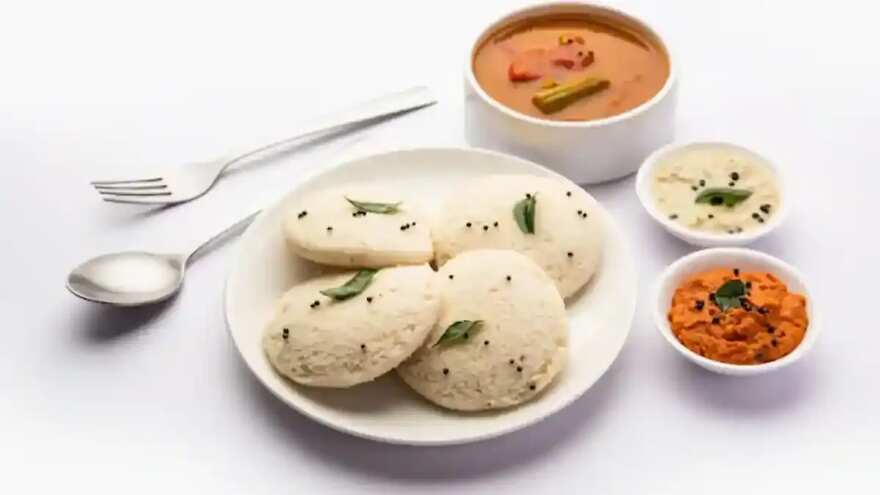
Digestibility And Health Impact
Idli’s soft texture and minimal oil make it a favourite for people recovering from illness or who want a light snack. Idlis are easy on the stomach and pair well with protein-rich sides like sambar or chutney and make a balanced meal. Dhokla, on the other hand, is slightly denser due to besan. However, it still retains its status as a healthy option. But some recipes include sugar and tempering oil, which can add empty calories. Thus, choosing steamed, and less-tempered dhokla is a light and nutritious option.
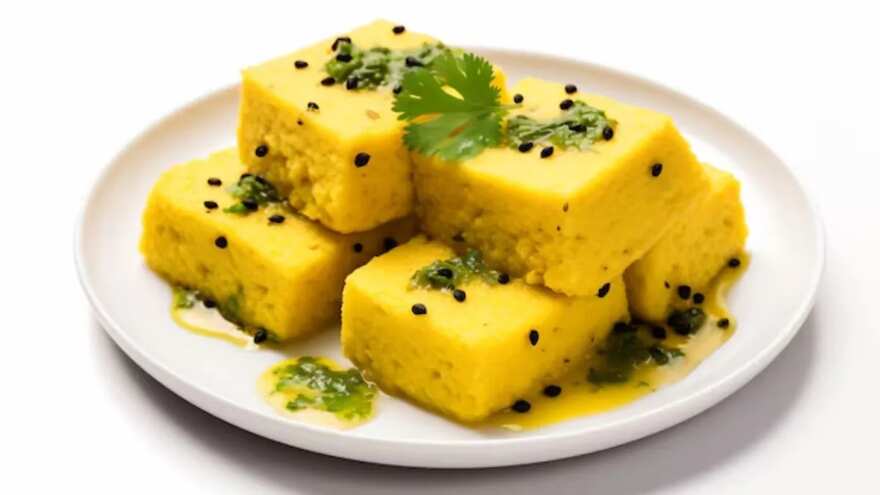
Expert’s Verdict: Dhokla Or Idli?
Dr. Muskan Soni, Nutritionist and Dietician, explains:
“Dhokla and idlis are both healthy, as they are fermented. People who are monitoring their weight and blood sugar should opt for dhokla as it is protein-rich and has a low glycemic index. On the other hand, people looking for a heart-friendly and light snack have the best option in idli.”
Both snacks have their unique place in a balanced diet. The answer lies in choosing based on your health needs. You should opt for dhokla for protein and sugar control, and idli for lightness and heart health.
Quick Tips For A Healthier Plate
Pair your idlis with protein-packed sambar or peanut chutney to turn this light snack into a complete, filling meal.
Steam dhoklas without sugar in the batter and use less oil tempering for a guilt-free treat that doesn’t compromise on flavour.
Keep alternating between idlis and dhoklas during the week to give your body the best of both worlds.




