


 Share
Share

Idli batter starts to behave very differently once the winter season arrives. What ferments overnight during summer suddenly starts behaving stubbornly flat, leaving you staring at a bowl that looks the same by morning as you have kept in night before. The reason is simple: cold makes everything slow down, particularly the natural microbes that make idlis soft and airy. During winter, kitchens lose their warmth, water turns freezing, and batter turns cool the moment grinding finishes. Fermentation does not fail, but it hesitates.
The batter in winter needs gentle warmth, time to breathe, and a setup that imitates summer conditions without forcing it. Fermenting idli batter in winter is less about fixing the problem and more about knowing the mood of the season. Once you work with the cold instead of fighting for it, that familiar rise, tanginess, and softness slowly but surely return.
Let Your Batter Sleep Near Warmth
In winter, idli batter does not need heat, but it needs comfort. Keep it near a warm appliance such as the fridge motor, geyser pipe, or inside an unlit oven with the light on. This creates a persistent, gentle warmth that helps the wild yeast wake up slowly. Direct heat kills the fermentation process, whereas consistent warmth encourages it. Think of it like a blanket and not a bonfire. Give the batter time, nearly 8 to 12 hours, and you will notice bubbles, rise, and that light sour aroma that signals success.
(Image credit: Freepik)
Use Soaking Water Like A Starter Culture
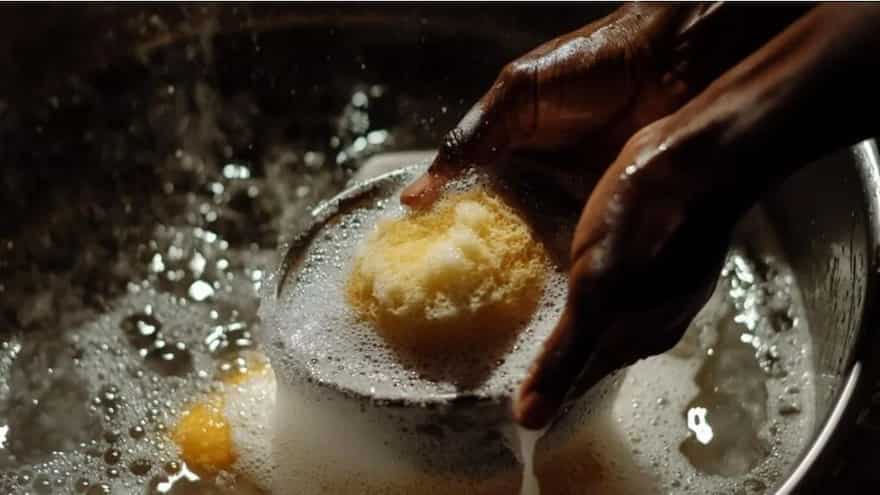
That cloudy water that is left after soaking rice and urad dal is full of natural microbes. Using it while the grinding makes the fermentation, head start, particularly during cold weather. During the winter season, microbes move slowly, so this extra boost is required. Grind the batter into a lightly coarse texture, and not too smooth. When poured into the vessel, this water keeps the batter active, even when the kitchen feels like it is resisting all the culinary ambition.
Add Fenugreek Seeds
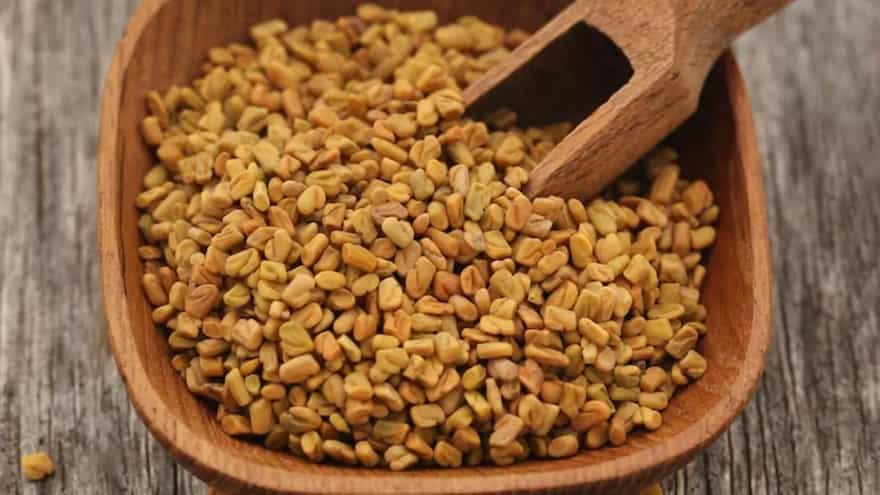
Skip that soda, yeast, or sugar. Fenugreek (methi) seeds are the winter’s quiet heroes. Soaked and ground with urad dal, methi seeds help in maintaining moisture, improve its rise, and keep the batter soft. During cold temperatures, batter dries out faster, which results in slowing the fermentation. Fenugreek acts like a sponge that holds the warmth and water together. The result? You get a batter that ferments evenly and idlis that remain coushiny soft and do not crumble.
(Image credit: Freepik)
Pick A Taller Vessel And Cover Loosely
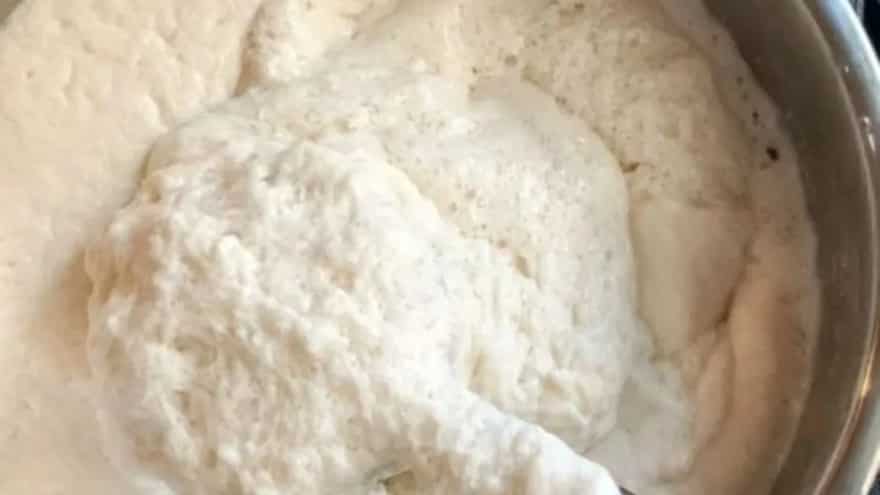
Wide bowls lose the heat faster during the winter season. Use a tall container that lets the batter rise upward rather than spread sideways. Cover it loosely, and not airtight. Fermentation needs oxygen, particularly in cold air. A loose lid or cloth traps warmth while letting gases escape. This easy container swap often makes the difference between a flat batter and a beautifully domed rise, even when temperatures take a dip.
Warm The Batter Gently Before Grinding
This sounds counterintuitive, but starting warm helps the finish strong. Use slightly warm and not hot water while grinding the rice and dal during winter. Cold water shocks the batter even before fermentation begins. A warm grind promotes microbial activity from the beginning, reducing total fermentation time. By the time the batter rests, it’s already active. Give it warmth before, and it won’t hesitate later.
(Image credit: Freepik)




