


 Share
Share

It usually occurs - the sabzi looks flawless, the dal smells pleasant, and then you notice that glossy layer of oil gazing back at you. Maybe the tadka got a little excited, or the gravy thickened more than planned while you were busy with other kitchen chores. Suddenly, a wholesome home-cooked meal feels rich and indulgent, even if the flavours are exemplary.
The good news? Excess oil does not mean the dish is destroyed. In Indian cooking, oil often splits naturally, and knowing how to handle it is more talent than error. With a few smart, useful hacks, you can save your food without exhausting its soul or having to start over again. These simple hacks help rebalance the texture, lighten the aftertaste, and let the spices bloom again, proving that good cooking is not about perfection, but about knowing how to rescue a meal without anyone noticing it.
Let Gravity Do The Work
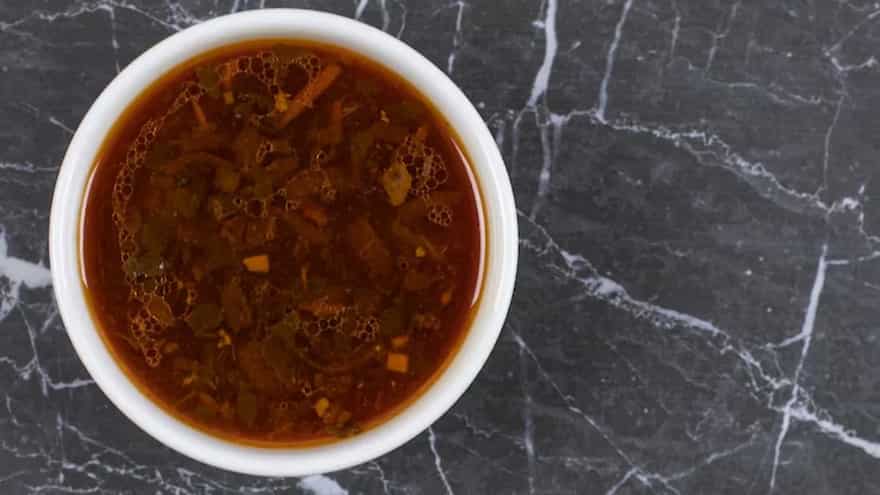
Sometimes the easiest fix works best. If the sabzi or curry looks too oily, keep it for a few minutes before you serve. While keeping it at rest, oil will float on the top, while the gravy will settle. Gently tilt the pan or use a spoon to slide off the excess without disturbing the gravy beneath. This works particularly well for dals, rajma, and paneer gravies. It feels less wasteful than blotting and keeps flavours unchanged, because in this process, you will remove only the extra oil, and not disturb the base.
(Image credit: Freepik)
Add Warm Water And Simmer
This may sound a bit odd, but adding a little warm water can truly save an oily dish. Pour in a few tablespoons, stir it gently, and let the dish simmer on a low flame for about 5 to 7 minutes, uncovered. The excess oil will separate and rise, making it easier to skim off. At the same time, the gravy will loosen a bit and rebalance itself rather than tasting thick and greasy. This trick is particularly useful when a curry thickens too much and blocks oil on the surface, making every bite feel too greasy and heavy.
Use Absorbent Ingredients
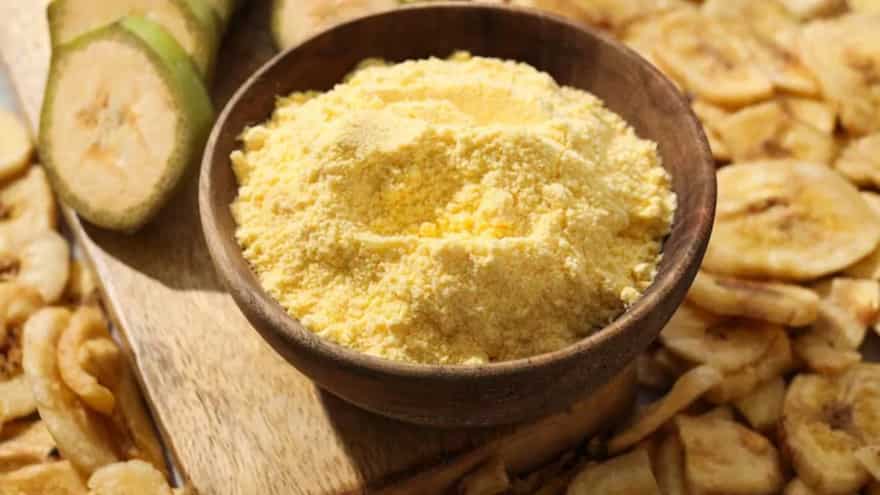
If the sabzi feels greasy rather than too oily visibly, the absorbent ingredients are your rescue. A pinch of roasted besan, atta, or even crushed makhana can soak up excess grease without altering the taste. Sprinkle lightly, stir well, and cook for a couple of minutes and let the rest of the job be done itself. These ingredients work quietly in the background, making your dish thick just enough while decreasing the oiliness at the same time. This is a smart hack when you are not able to remove oil physically but want the dish to feel light.
(Image credit: Freepik)
Balance Oil With Acidity
When the food feels oily, the first instinct is often to add more masala, but that is usually what makes it worse. Instead, add a gentle acidic element such as lemon juice, tamarind water, tomatoes, or curd, depending upon the dish. Acidity will cut through grease, making the food taste cleaner immediately. Even a squeeze of lemon before serving can change an oily sabzi to something fresh and also balanced. It does not remove oil, yes, physically, but it will change how your tongue encounters it- lighter, brighter and better.
Cool Slightly And Reheat Before Serving
If time permits, let the dish cool down and then reheat it on a low flame before you serve. As the temperature falls, excess oil hardens and will separate more easily, so that you will be able to spoon it out easily. This trick works amazingly for non-veg curries, chole, and slow-cooked gravies that are prepared in advance. Reheating also helps in flavour to settle, so that the dish often tastes better than before, minus the oily aftertaste that wrecks an otherwise flawless meal.
(Image credit: Freepik)




