


 Share
Share

Summer in the Indian subcontinent is less of a season and more of an endurance test. As the mercury climbs above forty degrees, our appetite often takes a backseat, replaced by a desperate need for hydration. While we instinctively reach for chilled water or sugary carbonated drinks, there is an ancient culinary wisdom that suggests we should be looking toward the funkier side of the pantry. Lacto-fermented foods, once the backbone of traditional kitchens from Punjab to Kerala, are making a massive comeback. These are not just pickles; they are living, breathing ecosystems that offer a cooling respite for a taxed digestive system.
What Exactly Is Lacto Fermentation
To understand this process, we must first clear up a common misconception: lacto-fermentation has nothing to do with dairy or lactose. The lacto prefix refers to Lactobacillus, a genus of beneficial bacteria that are naturally present on the skins of all fruits and vegetables. These tiny allies have a remarkable superpower: they can convert sugars and starches into lactic acid. The process is elegantly simple. By placing vegetables in a brine of water and salt, or by massaging salt directly into them to draw out their juices, we create an anaerobic (oxygen-free) environment. While harmful, spoilage-causing bacteria cannot survive in a salty, airless space, the hardy Lactobacillus thrive. They begin to feast on the natural sugars, producing lactic acid as a byproduct. This acid acts as a natural preservative, giving the food its signature tang and preventing it from rotting. In a country where the summer heat can spoil fresh produce in mere hours, this ancient method of preservation is a masterclass in biological engineering.

Image credit: Pexels
The Biological Benefits For The Indian Summer
The human gut is often referred to as the second brain, and during the summer, this brain can get a bit foggy. Heat stress affects our gut lining and can lead to what is commonly known as a sluggish digestion or summer bloat. This is where fermented foods step in as the ultimate functional fuel.
First and foremost, these foods are rich in probiotics. When you consume a glass of beet kanji or a spoonful of fermented carrots, you are delivering billions of beneficial microbes directly to your microbiome. These microbes help maintain a healthy balance, crowding out the bad bacteria that can cause food poisoning, a frequent summer hazard in warmer climates.
Beyond probiotics, the process of fermentation makes nutrients more bioavailable. It breaks down complex carbohydrates and neutralises anti-nutrients like phytic acid found in many grains and seeds. This means your body has to do less work to absorb essential vitamins and minerals. Furthermore, the lactic acid itself helps stimulate the production of digestive juices, ensuring that the heavy mangoes or spicy curries you enjoy are processed with ease.
Finally, there is the cooling effect. In Ayurvedic traditions, fermented foods are often viewed through the lens of their post-digestive effect. While some ferments can be heating, the specific lacto-fermented recipes used in summer are designed to be hydrating and electrolyte-rich. They replenish the salts lost through sweat while providing a gentle, sour flavour that naturally suppresses excessive thirst.

Image credit: Pexels
Five Essential Summer Fermentation Recipes
Before you begin, ensure your glass jars are impeccably clean. While you do not need laboratory-grade sterilisation, a good wash with hot soapy water is essential. Use non-iodised salt, such as sea salt or Himalayan pink salt, as iodine can sometimes inhibit the growth of the good bacteria we want to cultivate.
1. Beetroot And Carrot Kanji
Kanji is perhaps India’s most iconic lacto-fermented drink. Historically associated with the transition into spring, it is an incredible tool for maintaining gut health throughout the peak of summer.
Ingredients:
• Two medium beetroots, peeled and sliced into batons
• Two large carrots (black carrots are traditional, but orange ones work well), sliced into batons
• Two litres of filtered water
• Two tablespoons of crushed yellow or black mustard seeds
• One and a half tablespoons of sea salt
• Half a teaspoon of red chilli powder (optional)
Method:
Place the vegetables, mustard seeds, salt, and chilli powder into a large glass jar. Pour the water over them, leaving about two inches of headspace at the top. Cover the mouth of the jar with a clean muslin cloth and secure it with a rubber band. This allows the gases to escape while keeping flies out. Place the jar in a sunny spot on your balcony or windowsill for three to five days. Give it a gentle stir with a wooden spoon once a day. Once the liquid turns a deep, royal purple and tastes pleasantly sour and pungent, strain it and refrigerate. Drink it chilled before lunch to fire up your digestion.
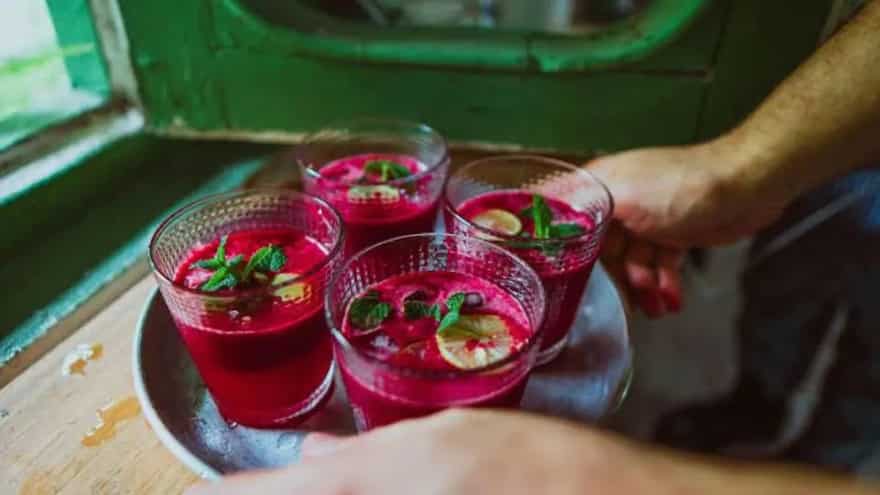
Image credit: Pexels
2. Spicy Fermented Summer Pineapple
Pineapple is abundant in summer, and while it is delicious fresh, fermenting it adds a complex depth of flavour that is both savoury and sweet. This is a fantastic side dish for grilled meats or a simple bowl of curd rice.
Ingredients:
• One ripe pineapple, peeled, cored, and cut into chunks
• One tablespoon of sea salt
• Two green chillies, slit lengthwise
• A one-inch piece of ginger, thinly sliced
• Filtered water to cover
Method:
Pack the pineapple chunks, ginger, and chillies tightly into a wide-mouth glass jar. In a separate jug, mix two cups of water with the salt until fully dissolved to create a brine. Pour the brine over the pineapple until every piece is completely submerged. This is crucial: any fruit sticking out above the water may develop mould. You can use a smaller glass lid or a clean stone to weigh the fruit down. Close the lid loosely and let it sit on your kitchen counter for two to three days. You will see small bubbles forming; this is a sign that the Lactobacillus are hard at work. Once it smells tropical and tangy, move it to the fridge.
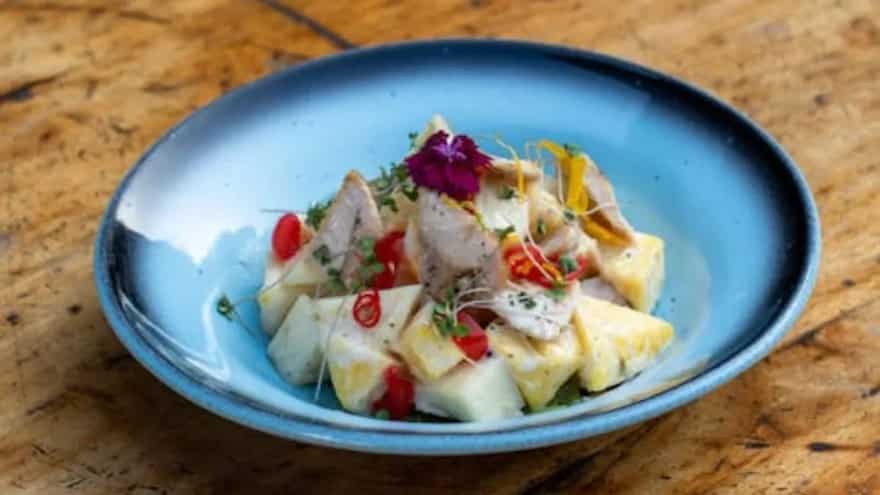
Image credit: Pexels
3. The Probiotic Radish And Cucumber Crunch
During summer, salads can get boring. This fermented version provides a satisfying crunch and a probiotic punch that a standard cucumber salad lacks.
Ingredients:
• Two large cucumbers, sliced into thick rounds
• One white radish (mooli), peeled and sliced
• One tablespoon of sea salt
• A handful of fresh mint leaves
• Two cloves of garlic, smashed
Method:
In a large bowl, toss the cucumber and radish slices with the salt. Let them sit for thirty minutes; you will notice a significant amount of water being released. Do not discard this water. Pack the vegetables, mint, and garlic into a jar, pouring the salty vegetable juice over them. If there is not enough liquid to cover them, add a little filtered water. Use a weight to keep the vegetables submerged. Let this ferment in a cool corner of your kitchen for forty-eight hours. The cucumbers will turn from bright green to a duller, olive hue, indicating they are ready. The resulting pickles are incredibly hydrating and make for a perfect afternoon snack.
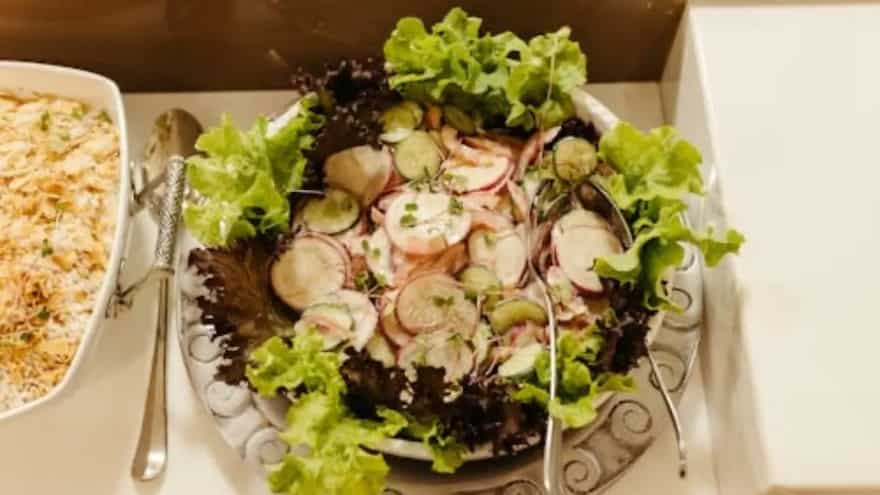
Image credit: Pexels
4. The Coastal Rice Ferment (Pakhala)
While most lacto fermentation focuses on raw vegetables, the Indian east coast has mastered the art of fermenting cooked grains. This dish is the ultimate summer survival food in Odisha and West Bengal, where it is known as Panta Bhat. The fermentation process breaks down the rice starch, making it easier to digest and significantly increasing its vitamin B12 content. In a region where the humidity can be stifling, this fermented rice provides a long lasting cooling effect that simple chilled water cannot match.
Ingredients:
• One bowl of cooked parboiled rice
• Two cups of filtered water
• One tablespoon of fresh curd as a starter culture
• A pinch of sea salt
• Sliced raw onions and green chillies for serving
Method:
Take your freshly cooked and cooled rice and place it in a terracotta pot or a glass bowl. Add the filtered water until the rice is fully submerged. Stir in the curd and salt. Cover the container with a thin muslin cloth and leave it on your kitchen counter overnight or for about twelve hours. By morning, the water will have a slightly sour, fermented aroma. This liquid is the most nutritious part of the dish. Serve the rice and the water together, accompanied by a side of mashed potatoes or roasted vegetables for a cooling lunch that helps prevent heat exhaustion and maintains electrolyte balance.
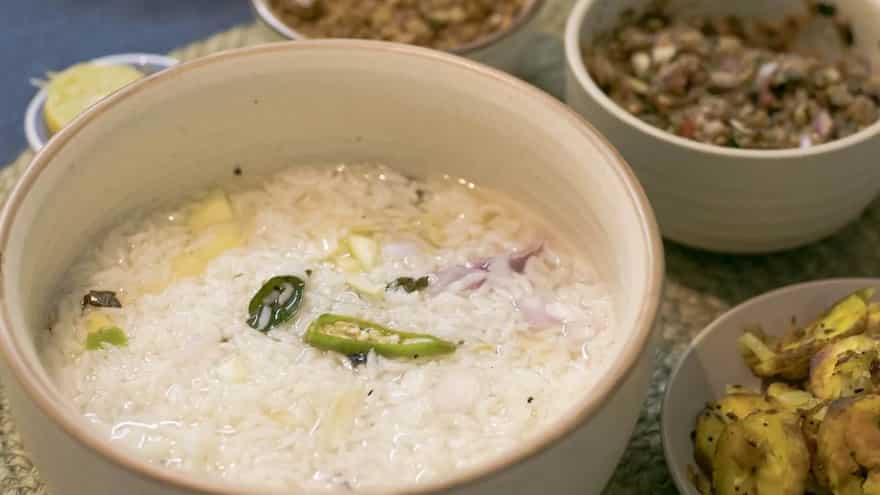
Image credit: Wikimedia Commons
5. The Southern Tangy Shallot Preserve
Small onions, often called shallots or sambar onions, are prized in South Indian traditional medicine for their cooling properties. When lacto fermented, they lose their sharp, pungent bite and become juicy, tangy morsels that act as a natural probiotic supplement. These are traditionally eaten with curd rice or thin lentil crepes to keep the digestive fire balanced during the peak of the dry season.
Ingredients:
• Two hundred grams of shallots, peeled
• One and a half tablespoons of sea salt
• One teaspoon of fenugreek seeds
• One cup of filtered water
• Half a teaspoon of turmeric powder
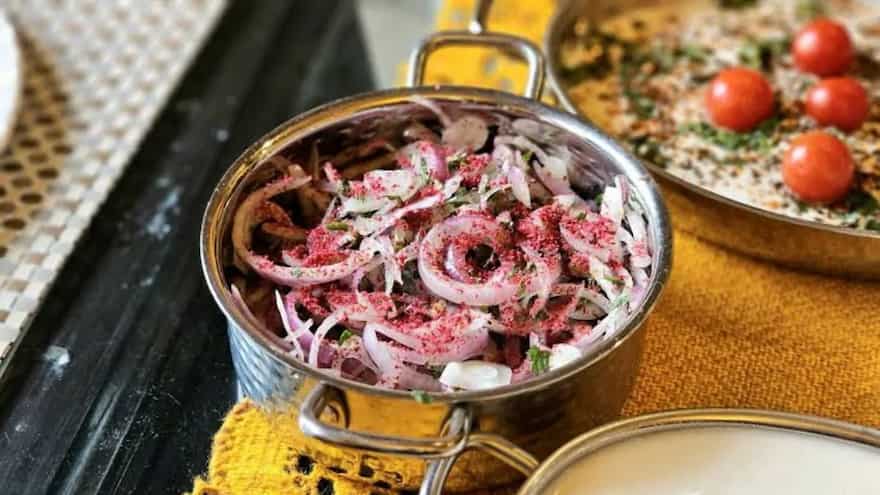
Image credit: Pexels
Method:
Place the peeled shallots, fenugreek seeds, and turmeric into a clean glass jar. The turmeric acts as a natural antimicrobial agent while adding a golden hue to the preserve. Dissolve the salt in the water to create your brine and pour it over the onions. Ensure the onions are completely covered by the liquid. If they float, use a small weight or a glass lid to keep them submerged. Seal the jar loosely and let it sit in a shaded corner of your kitchen for three to four days. The brine will turn slightly cloudy as the beneficial bacteria begin to thrive. Once the onions have softened and developed a pleasant tang, move the jar to the fridge. Consuming two or three of these onions along with your main meal can significantly improve gut motility and help the body manage internal heat.




