


 Share
Share

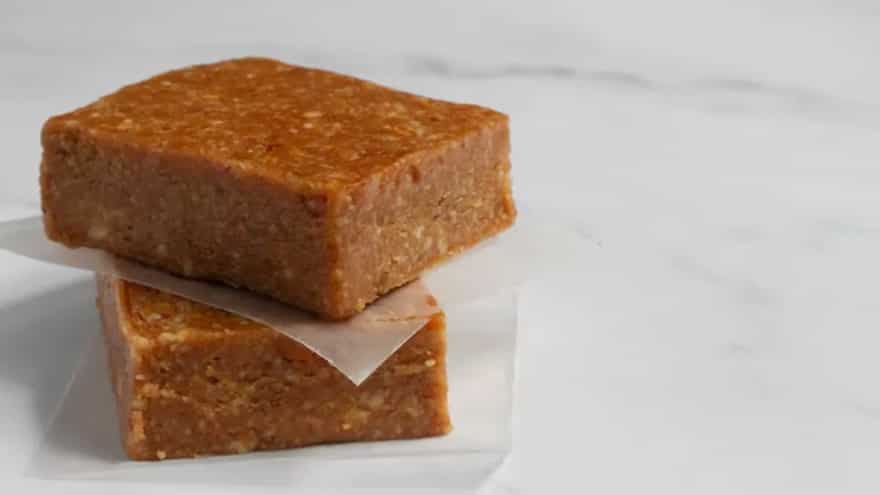
Come winter season, and that jaggery slab in the kitchen suddenly starts behaving like a brick. The moment temperatures fall, jaggery starts losing its natural moisture. What was once a soft and caramel-like ingredient becomes tough, dry, rigid and impossible to break without using a knife, grater, or a hammer. Winter air is too dry, and jaggery reacts with it by tightening and crystallising. Now you know why even premium-quality jaggery turns extremely tough, leaving you doubting its value. Then comes the real struggle: how to enjoy the gur wali chai, gur halwa, or take a small piece of it after meals?
This is why grandmothers invented clever and magical hacks to keep the jaggery soft and ready to use even during the cold winter season. These tricks are not complicated, but just simple home tricks that truly work in the cold season and bring the favourite sweetener back to its melt-in-mouth consistency.
Store Jaggery With A Slice Of Bread
Cold air pulls out moisture from the jaggery, turning it dry, coarse, and hard. Keeping a slice of bread inside the jar helps in releasing the slow moisture, which keeps the jaggery soft without turning it soggy. The bread acts like a humidity-balancer during winter dryness. Keep in mind to replace the slice every 2 to 3 days to prevent the growth of fungus. After this move, you will notice that it will remain soft, almost like it is freshly bought. Many sweet shops use this trick during the cold winter months to keep the melt-in-mouth consistency of the jaggery they have in stock.
(Image credit: Freepik)
Store In Airtight Jars
Winter air is an enemy of moisture, and jaggery reacts quickly with the air, resulting in crystallising and tightening. Keeping jaggery in plastic containers lets the air in, which worsens the dryness. Storing in a glass or steel jar protects the jaggery from the rough and dry winter wind. Place the jar in a warm place in the kitchen corner instead to maintain the heat. The gentle kitchen warmth also makes a huge difference in keeping the jaggery soft naturally. These glass and steel containers also prevent sugar blooming and ants, making them an ideal storage option.
Add A Few Drops Of Ghee While Storing
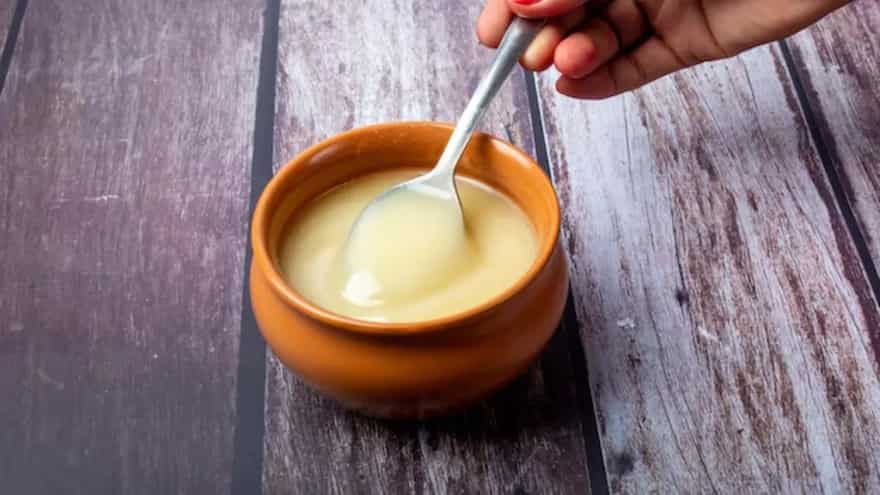
A very old Indian traditional trick that has been used by grandmothers for ages. Ghee traps the internal moisture and creates a natural protective cover on jaggery. Jaggery has natural sucrose, and cold weather pulls water out of it, making it stiff like a toffee or candy. A few drops of ghee prevent that dehydration from the winter air and give the jaggery a creamier aroma. Just rub a pea-sized amount on the surface of jaggery before you store it. Not only will it remain soft, but every time you cut a piece for chai or halwa, it will release its warm and nutty aroma.
(Image credit: Freepik)
Storing In A Fridge Is A Big No
You can store everything in the fridge, but not jaggery. Cold temperature will quickly induce crystallisation and turn the jaggery into a hard rock that will require hammering. Jaggery actually likes slightly warm surroundings, something like that kitchen shelf near the chimney, gas area, or above the fridge, where the temperature is naturally comfy. Warmth helps the jaggery maintain its inner stickiness. Think of jaggery like butter - soft when warm and stiff when cold. That is exactly why halwais never keep the jaggery in the refrigerator.
Microwave For A Few Seconds Before Using
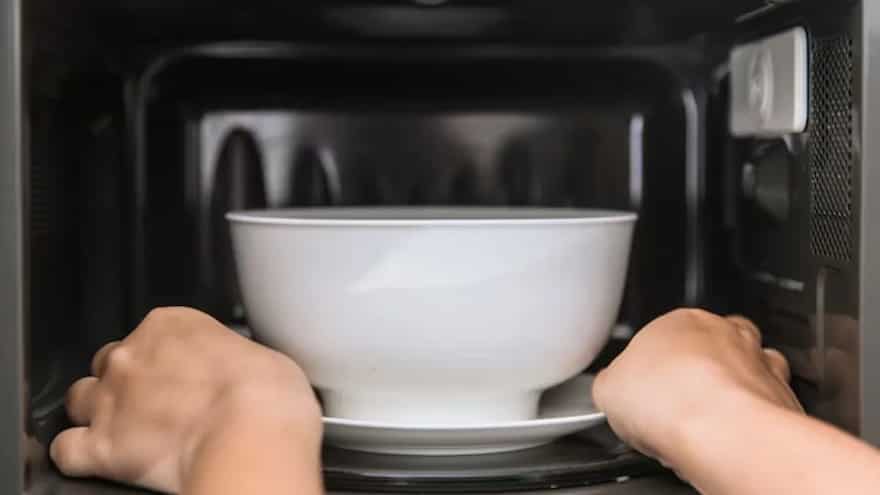
Sometimes winter turns the jaggery very stubborn, no matter how well you have stored it. A simple solution to this - place it in the microwave for about 8–12 seconds. Heat helps the jaggery to loosen a bit naturally, almost like restoring it. You will see it turns flexible immediately and can be crushed even with your fingers, without needing any tools. Just keep in mind not to overheat, or it will melt. This tiny spark of warmth works wonderfully on days when the temperature falls sharply, and you have an urgent need for jaggery for chai, laddoos, or simply for a winter dessert craving.
(Image credit: Freepik)




