


 Share
Share

There is something extremely comforting about soft, warm chapatis, the type that puff up on the hot tawa and soften with a touch of ghee. But few heartbreaks compare to opening the lunchbox and finding the chapatis turn dry, chewy, or stiff. That first bite of a cold, pliable roti can take all the pleasure out of any scrumptious meal. Whether it is for a quick office lunch, a school tiffin box, or a packed dinner for travelling, the secret lies not only in how you make chapatis, but how you treat them thereafter.
From kneading the dough correctly to wrapping chapatis with care, a few simple and easy steps can keep that homemade warmth and softness intact. Because a chapati is not just food, it is comfort and care covered in every layer, and it deserves to taste as fresh, even after as long as it was made.
Add A Touch Of Ghee While Kneading
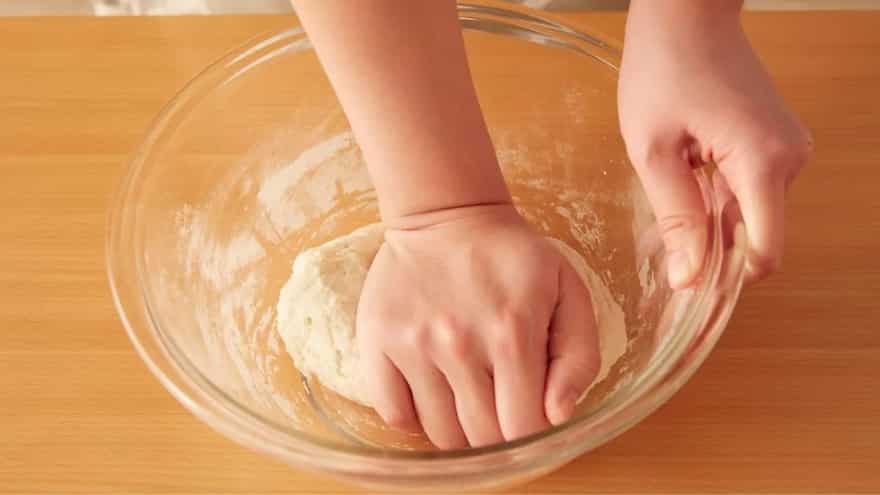
Before rolling out the dough, mix a teaspoon of ghee into the flour. This small step forms a natural barrier that seals the moisture and keeps chapatis soft for a longer duration. The ghee adds to the richness while preventing the dryness which is caused by exposure to air. This is the difference between the chewy chapatis and the ones that remain soft until lunchtime. Not only this, but it also gives the chapatis a compelling, homemade fragrance that stays in every bite.
(Image credit: Freepik)
Use Warm Water For Kneading The Dough
Instead of using cold water or water at room temperature, use slightly warm water for kneading the dough. It helps in activating the gluten nicely, which results in softer, puffy chapatis that remain fresh for a long time. Warm water also makes the texture smooth and prevents it from drying too soon. Knead it until the dough becomes pliable, leave it to rest for 15 minutes, and you will notice how the chapatis remain soft and moist, even hours later and no reheating is needed.
Cook On Medium Flame
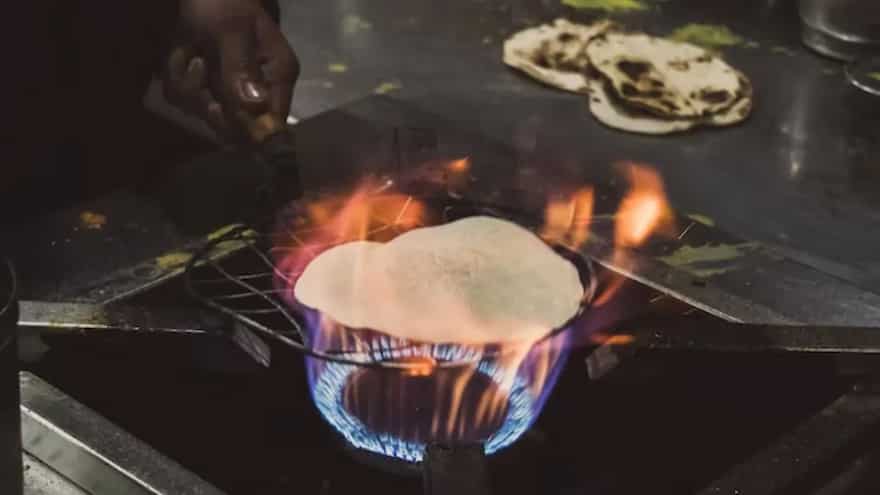
Cooking chapatis on a high flame often makes them crisp from the outside but parched from the inside. Medium heat enables even cooking and helps the chapatis puff up naturally, locking moisture inside. Flip just twice and do not overcook. A perfectly cooked chapati remains soft for a longer duration because the heat has not taken away its inner moisture. Think of it like slow cooking till perfection, and with patience.
(Image credit: Freepik)
Put Ghee Right After Cooking
The best time to brush the chapati with ghee is right after taking it off from hot tawa. The heat allows the ghee to get into every layer, making a shielding glaze that stops it from drying out. This simple practice keeps the chapatis soft and improves the flavour too. Pile them only after applying ghee on each one, so they don’t stick onto each other and lose their softness.
Store In A Cloth-Lined Container
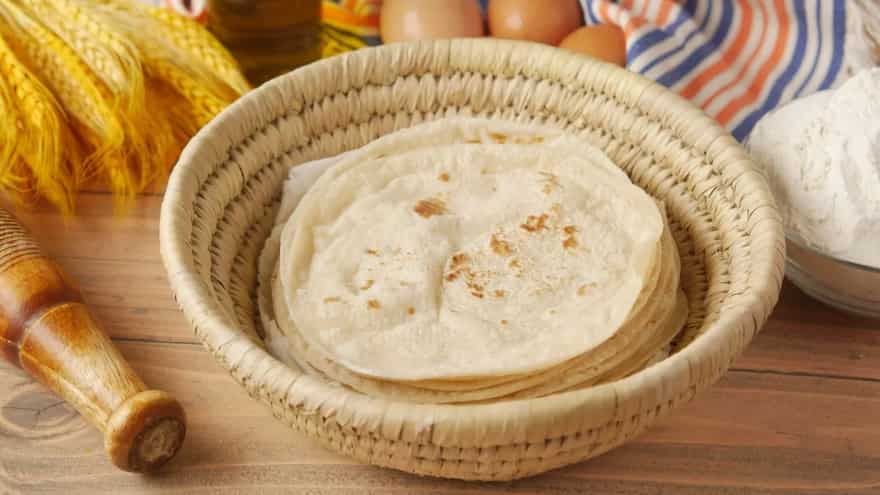
Skip the plastic wrap and instead, line the casserole with a soft cotton cloth. Place the warm chapatis inside and cover with another layer of cloth, and close the lid. The cotton fabric soaks up excess steam but maintains the warmth to keep the chapatis soft and flexible. This trick works like a wonder, whether you are packing a tiffin or preparing for dinner afterwards, your chapatis give a feeling of freshly made and not reheated.
(Image credit: Freepik)




