


 Share
Share

That soft, smooth, flawless layer of cream on your cake may appear to be the same every time. But it is not always made the same way. Some cakes are finished with fresh whipped cream, whereas others use non-dairy cream only for structure and stability. While both appear to be the same, the differences lie in the elements, taste, and how they act once used.
Whipped cream is prepared from fresh dairy and has a light, natural taste that dissolves quickly. On the other hand, non-dairy cream is prepared with vegetable fats and stabilisers, which help it keep its shape for a long time, particularly in warm weather. That is why bakery cakes often appear to be perfect even after hours of it getting baked.
If you have ever wondered what you are really consuming, and whether or not it is pure cream or a non-dairy, here are easy ways to recognise and check before you proceed to buy without requiring any expert knowledge.
Taste, Sweetness, And Aftertaste
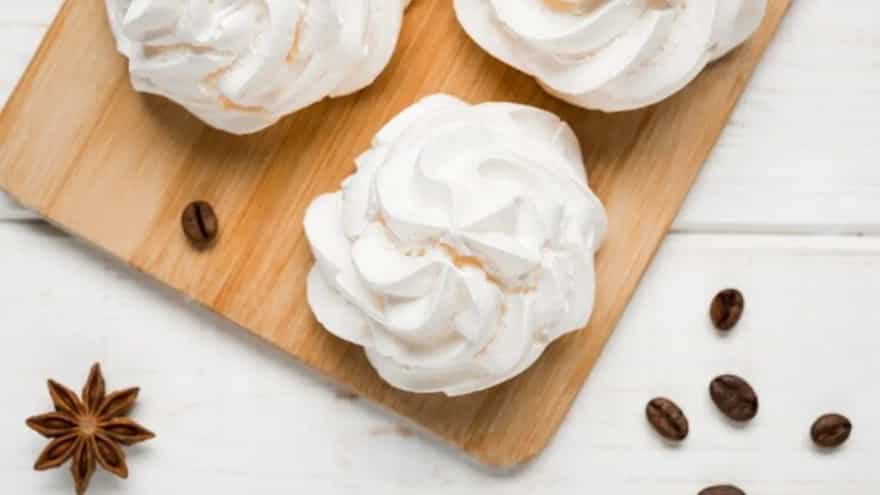
Take a small bite and feel how the cream tastes. Fresh whipped cream feels a bit light, mildly sweet, and does not overpower the flavour of the cake. It mixes smoothly without leaving any firm aftertaste. Non-dairy cream, on the contrary, is usually much sweeter and can feel a bit artificial or overly creamy, leaving an oily aftertaste. The sweetness often remains longer than anticipated. If you feel a bit of a heavy, tongue-coated sensation after eating just a small portion of the cake's cream, it’s likely non-dairy cream. This is one of the most straightforward and most dependable ways to tell the difference between the two while eating.
(Image credit: Freepik)
Texture And Mouthfeel
Examine how the cream feels as you eat it. Whipped cream has an airy, slightly soft texture that gets melted quickly as you have a bit of it, leaving a clean and fresh aftertaste. It never feels too heavy or sticky or tongue-coated. Non-dairy cream is more structured and feels dense, keeping its form even while you eat. It may feel a bit greasy or leave a layer on your palate after you have had a few bites, as if taking a bite of something oily. The real difference becomes more evident when you compare both of them side by side. If the mouth feels lighter, it is whipped cream, and if it feels greasy or heavy, it is non-dairy.
Look At Shape, Finish, And Design
Before even tasting, look closely at the appearance of the cake. Cakes that are made with non-dairy cream often have sharp borders, stuffy peaks, and elaborate decorations such as flowers or patterns that remain perfectly unchanged for hours. The finish looks flawless and almost too specific. The cakes made with whipped cream, however, appear softer and more realistic, having a bit more relaxed edges and less specified shapes. The cream may not hold detailed designs for long, as the cream melts. If a cake is extremely shiny and maintains its structure for hours without turning soft, it is most probably made with non-dairy cream.
Storage And Reaction To Heat
Notice how the cake is stored and how it reacts when kept at room temperature. Whipped cream is sensitive to heat and requires refrigeration every time. Once it is kept outside, it starts to turn soft, loses its shape, and may actually melt a bit. Non-dairy cream, on the other hand, is designed to remain stable, even in warmer conditions. Cakes made with it can sit outside for an extended time without losing their structure. If you see a cake kept outside a fridge that still appears firm and fresh, even after a long time, it is likely prepared with non-dairy cream. This is a very useful hint while buying.
(Image credit: Freepik)
Ingredients, Labels, And Price Clues
If you are buying a packaged cake, always take a moment to check the ingredient list. Fresh whipped cream will usually be listed just as cream or dairy. Non-dairy cream is often labelled as vegetable fat, stabilisers, or non-dairy topping. These show processed elements. You can also request the bakery, as many will tell you what they have used. Another small hint is the price. Cakes that are made with real whipped cream are often a bit more expensive than non-dairy cream cakes, which are much more affordable.




