


 Share
Share

If you like hosting dinners or tea parties, selecting the appropriate tableware may subtly improve the overall experience, but it does not have to be extremely sophisticated or extravagant to make an impact. When you grasp the fundamentals, how various pieces work together, how textures and tones complement food, even plain tableware can feel planned and beautiful. It's more than simply plates and bowls; it creates an environment, impacts presentation, and expresses your particular style in subtle ways. Whether you are having a formal event or a casual get-together, knowing the many types of tableware allows you to set a table that is coherent, elegant, and easily welcoming.
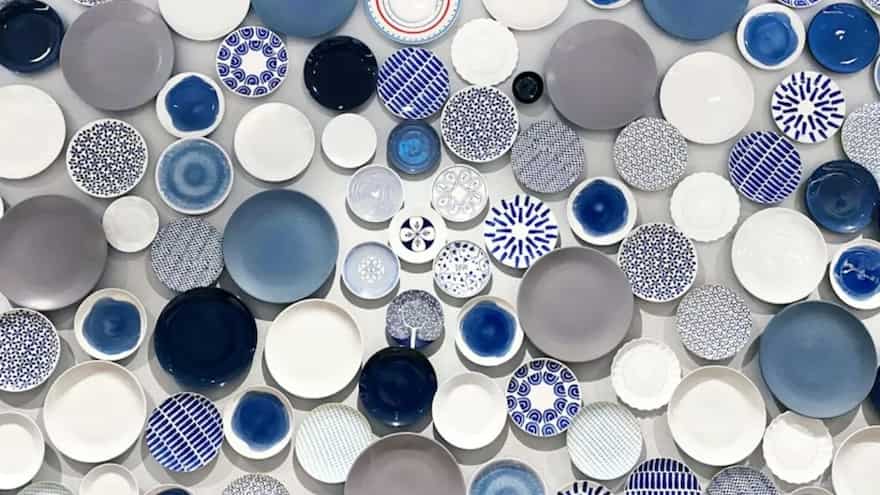
Image Credit: Unsplash
Serving Plates
Dinnerware, often known as dishes, crockery plates, or crockery sets, is the centrepiece of your dining table. Before you start thinking about patterns and colours, focus your attention on the material you actually require. Each material is distinctive, which may help you make the best choice.
Serving Platters
A beautiful and functional serving plate makes an outstanding showpiece dish, as they are particularly helpful for preparing a buffet-style spread for dinner guests. You will enjoy preparing a huge sharing salad full of nutritious vegetables and grains that can be shared with friends and family. The notion of serving food dates back to the 1500s and 1600s, and it is connected with the monarchy. The term 'serving' comes from the word 'salver,' which referred to a flat decorative tray, generally made of silver, that was used to offer meals to persons of high social status in England. If food and drink came on the salver, it meant it had been pre-tested and was poison-free. When offering meals to visitors, the serving platter is still seen as a symbol of respect and hospitality.
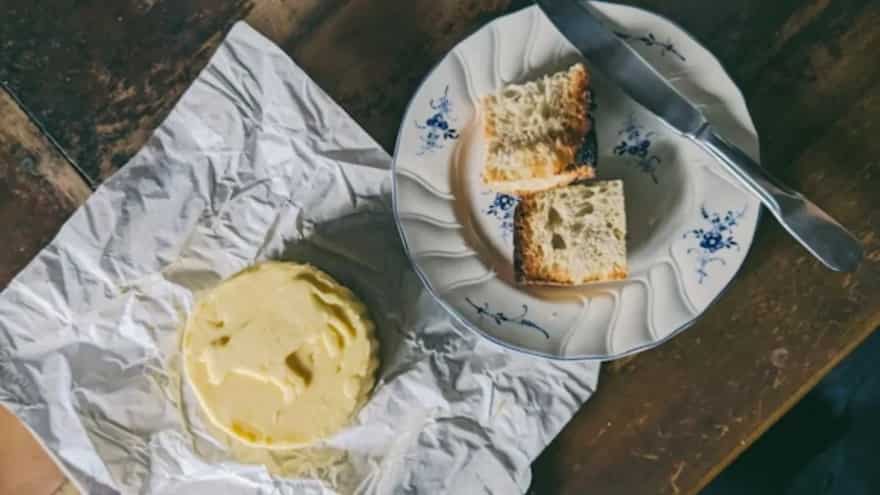
Image Credit: Unsplash
Bread & Butter Plates
The bread and butter plate is frequently included in formal table settings, and it is put in the upper left corner of your service or main plate, immediately over your forks. However, on a busy table, this little plate may be put anywhere there is space, but always to the left. On your B&B dish, there will be a butter spreader, so named since it is used to spread butter rather than cut bread.
Appetiser Plates
When it comes to hosting, tiny factors may have a significant influence. Appetiser plates are more than simply little dishes for presenting snacks; they can improve the way you entertain, helping parties run more smoothly and pleasurably. Whether you're hosting a relaxed wine night, a sophisticated cocktail party, or a backyard gathering, knowing how to use appetiser plates will help improve your event. In this piece, we'll examine seven inventive ways to use appetiser plates, helping you host like a pro. Small snacks like bruschetta, prawn cocktail and stuffed mushrooms are ideal for cocktail parties, but they can be difficult to transport alongside a drink. A well-designed appetiser plate enables visitors to effortlessly grasp their meal and drink while leaving their other hand free for discussion.
Dinner Plates
In everyday meals or celebrations, matching dinner plates make the food you serve and increase the room's general appearance. Dinner plates are available in a variety of sizes, materials, shapes, and patterns, with a focus on combining durability with style. From minimalist and contemporary plates to opulent sets of designer plates, choosing the appropriate dinner set may transform your meals into unforgettable dining experiences. The most well-known varieties are ceramic, which may be used in everyday life, porcelain for formal dining, and bone china plates. Provide a spectacular dinner experience, glasses that fit modern tables, and melamine plates suitable for outdoor and informal eating. Plates are available in round, square, and oval shapes. Some meal dishes have attractive patterns. Others have basic designs. The most appropriate platter is determined by your personal preferences, frequency of use, and the type of eating experience you wish to create at home.
Dessert Plates
Dessert plates, which typically measure 6 to 8 inches wide, are designed exclusively for cakes, pastries, tarts, and other similar items but these aren't simply tiny dinner dishes. The right one makes a single serving appear deliberate, rather than sad and small. Because dessert is the big finale, these plates frequently feature more "personality" than traditional tableware. The most popular designs include interesting glazes, unusual patterns, and elegant edges. Dessert plates are one of the most flexible items in a tableware set. If you're purchasing a set, look for stackability. Because you normally buy dessert plates in bulk for events, you want ones that nest well and don't take up half your closet space.
Soup Plates
Soup plates are ideal for displaying all of the ingredients and adding additional embellishments to the soup. Soup plates are often offered in cup or rim styles, with the latter being especially well-suited for serving because it is simpler for personnel to handle the plates. Because of their large eating area, soup plates are ideal for bound soups, creamy vegetable soups, and stews. In contrast, liquid soups have the potential to spill over.
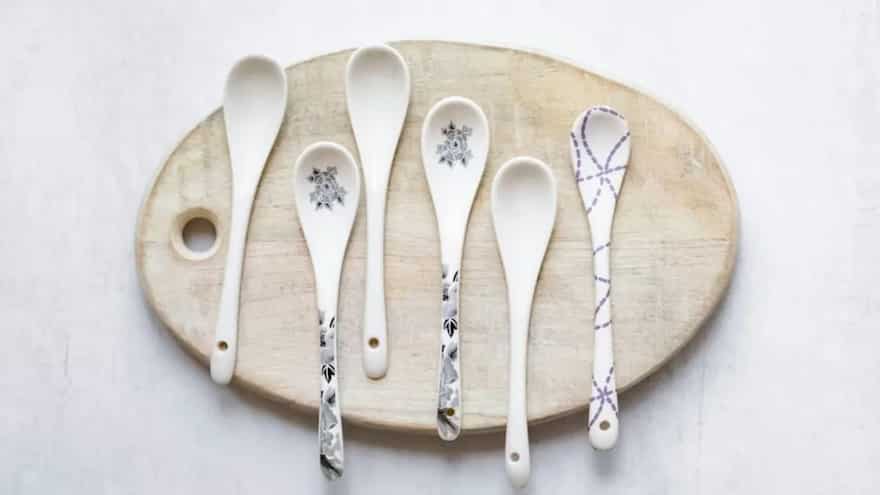
Image Credit: Unsplash
Spoons
In Indian homes, where many cuisines and dining customs coexist, it is especially vital to understand the different types of spoons available and their intended applications.
Coffee Spoons
As is frequently the case with coffee, the spoon reflects the adaptation of an existing tool to coffee's special demands, resulting in the creation of an entire culture around it. The cupping spoon is an important part of one's coffee tool kit, especially for those who use it on a daily basis. These were called the Demitasse spoon or coffee spoon, which is named after demitasse cups (French for "half-cup"), which are commonly used to serve espresso in coffee shops and restaurants. Demitasse spoons come with the cups at these restaurants and are often used for eliminating froth from espresso or stirring in measured quantities of sugar to your coffee.
Tea Spoons
A teaspoon is a piece of kitchen cutlery. It is intended to mix both hot and cold liquids in a cup. It is also often used to measure culinary materials. If you look at spoons in general, a teaspoon falls into the little spoon group. This culinary item emerged during the British colonial era, when tea was a common home beverage. Using a huge spoon to mix sugar in the cup was a difficult process. The issue was resolved with the use of a teaspoon. It is 3.5 to 4.5 inches long and can carry around 5 millilitres of liquid in a scoop. It is the reason why this spoon is the preferred choice for measuring drugs. The abbreviation 'tsp' also signifies teaspoon, as you may have observed in recipe books.
Image Credit: Unsplash
Dessert Spoons
A dessert spoon is similar in size to a soup spoon, but has an oval rather than round bowl and a volume that is roughly double that of a teaspoon. This allows consumers to have a healthy serving of dessert in each mouthful. The enormous capacity is especially helpful for eating tiered and complicated sweets, as it guarantees that a bit of every taste can be delicately accommodated into each mouthful.
Soup Spoons
These are particularly designed for soups and stews, and feature a bigger basin. There are many different styles of soup spoons, but the two main ones are the British soup spoons and the Chinese soup spoons. The former are rather tiny, and the bowl is round. The latter has a flat bottom and comes in a variety of sizes. Hearty soups like gumbos and chowders, which are enriched with shrimps, cheese etc., are best consumed with the help of soup spoons with a big bowl and long handle.
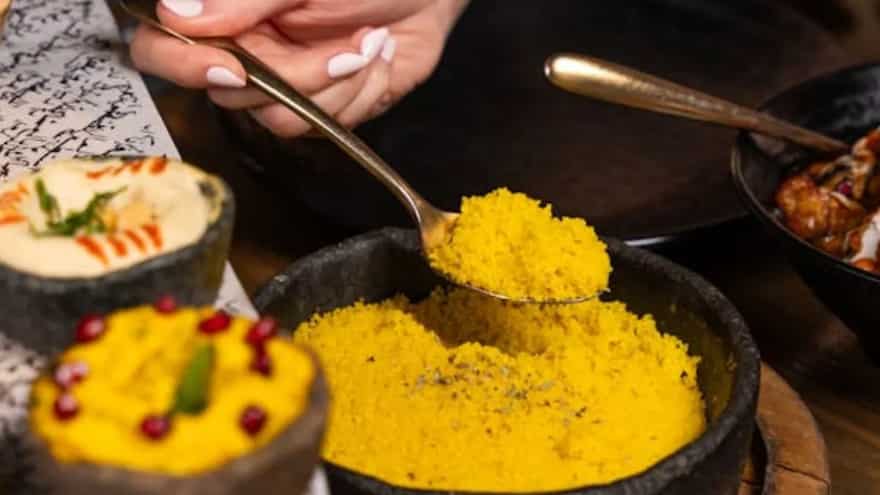
Image Credit: Pexels
Serving Spoons
This is particularly useful for scooping food from a large dish into separate plates. Unlike conventional dining spoons, they are substantially bigger, with longer handles and deeper basins, allowing you to effortlessly serve generous servings.
Ice Beverage Spoons
This one is easily identifiable because to its exceptionally long handle. Also known as the soda spoon, this is the tallest piece of silverware in a set, with a small bowl and a 7 to 10 inch handle. Bhadouria notes that the long handle makes it simpler to mix liquids served in tall cups, such iced tea or coffee. It's also ideal for tall parfaits, sundaes, floats, and thick milkshakes.
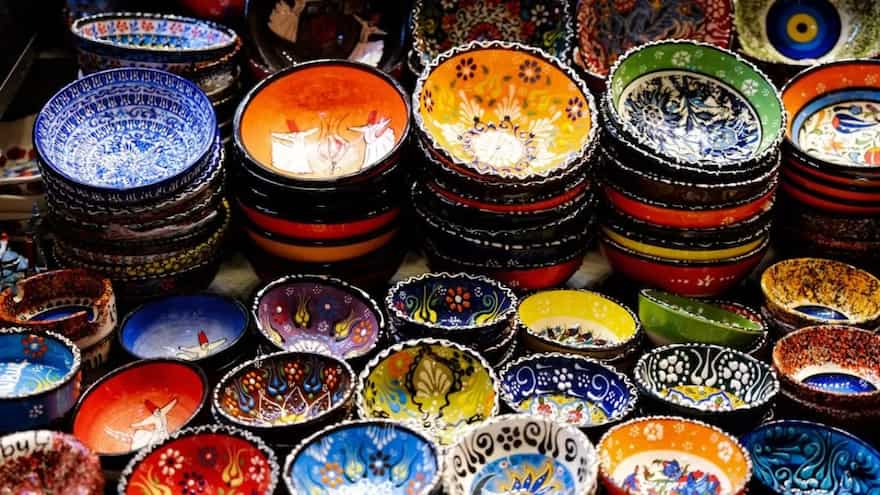
Image Credit: Pexels
Bowls
From rice bowls to dip bowls, their definitions, sizes, materials, and applications to help you make informed selections for your dining requirements.
Rice Bowls
Rice bowls are tiny to medium-sized bowls that are traditionally used to serve cooked rice or other grains. Rice bowls, which are constructed of ceramic, porcelain, or stoneware, are necessary for Asian-inspired cuisine. From common steel katoris to ceramic or porcelain bowls for special occasions, bowl selection may improve both presentation and functionality, making the eating experience easier, pleasant, and visually appealing.
Soup Bowls
A soup bowl is a deep, wide-rimmed bowl used particularly for serving soups. These bowls are often bigger in capacity than other types of bowls, offering plenty of room for stews, sauces, and dips, as well as any additional toppings or garnishes. A soup bowl's broad rim also makes it simple for consumers to eat without spilling. The most popular soup bowl sizes are 8 to 16 oz with bigger versions available for heartier stews or larger servings. Choosing the appropriate soup bowl size is critical to ensuring that consumers receive a decent serving of food without being overwhelmed by too much volume.
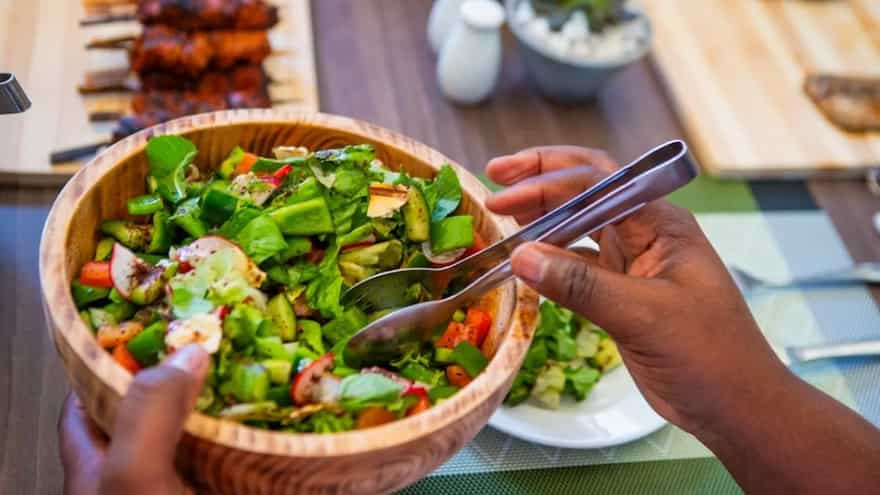
Image Credit: Pexels
Salad Bowls
The first thing you'll do in this bowl is whisk your dressing, and with so much surface area, it'll come together quickly. Then layer your greens, cherry tomatoes, and sliced cucumbers. You'll toss, and with no spatial constraints, your tongs will fly. Your cherry tomatoes and greens will meet, as will your cucumbers. And everything will be covered in a constant, even layer of dressing. Wooden salad bowls are a popular choice since it has a natural beauty and warmth that no other material can match. The distinct grain patterns in each bowl offer beauty to any table setting, whether it's a simple family meal or a formal dinner party. They are not only utilitarian, but also works of art that add to the mood of your dining room.
Dessert Bowls
Dessert bowls are tiny, shallow bowls used to serve desserts such as puddings, kheer, custards, or fruit-based delights. In other nations, they take on different names and forms; French glass dessert bowls are typically called ‘coupes’, whereas in Japan, comparable little bowls may resemble those used for sweets in traditional settings. Desserts are traditionally served in specialised bowls, which dates back to European eating customs, when presentation became crucial to multicourse dinners. Today, whether in glass, ceramic, or porcelain, dessert bowls add charm, balance portion sizes, and make sweet courses feel more refined and thoughtfully served.
Finger Bowls
To cleanse the fingers between the main course and dessert dish, guests were given tiny, often glass, finger bowls. While they were once a staple at upscale restaurants, they fell out of favour after World War I due to government rationing measures and sanitary concerns. Forks did not exist in Western Europe until the late 17th century, and they did not gain widespread use until the early nineteenth century (the first Thanksgiving meal presumably did not include forks). People have a genuine reason to wash their hands before and after meals. From ancient times until the advent of the fork, diners passed around a huge, water-filled basin and a cloth to wash their hands.
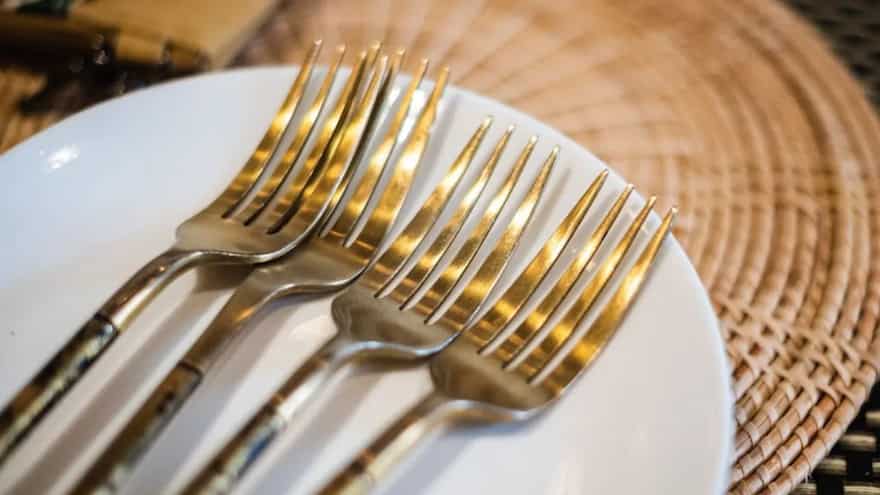
Image Credit: Pexels
Forks
Forks are very important when you set up a proper dinner table for a gathering or celebration. There are many different types of forks, and these are the ones you should know about.
Salad Forks
The salad fork is broader than a table fork, with one edge for cutting salad leaves. The salad fork's longer, slightly curved tines provide a greater hold on salad leaves while preserving their integrity. One of the salad fork's distinguishing features is its spaced-apart tines, which help to retain bigger toppings while providing a smooth, uncomplicated eating experience.
Dessert Forks
The dessert fork is used in conjunction with the dessert spoon for entremets, although it is also suitable for starters. The dessert fork's fine tines allow your visitors to take each bite with accuracy, retaining the immaculate appearance of even the most complex desserts.
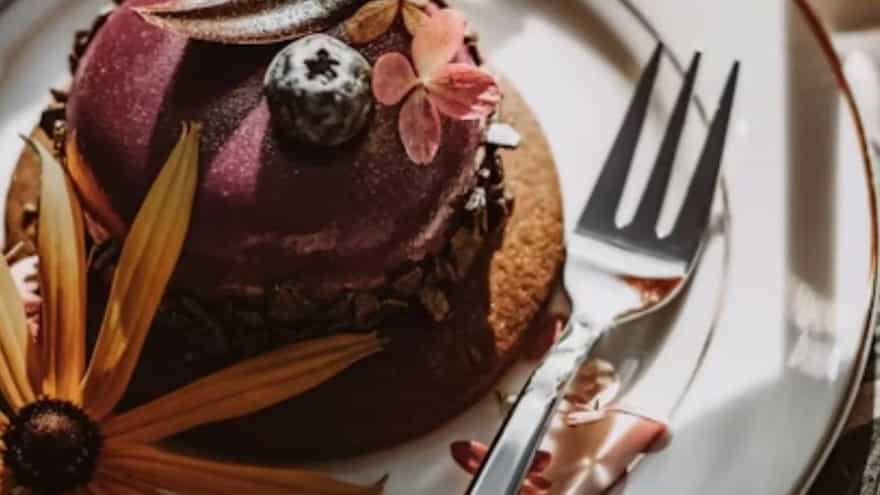
Image Credit: Unsplash
Pastry Forks
The pastry fork was created during the Victorian era. It was a period of complex dining etiquette, which resulted in the creation of distinct and specific equipment meant for eating certain cuisines. The pastry fork's design is distinctive in that it has three prongs, one of which is wider and has a blade-like edge for cutting. It was intended to cut through the pastry. Using a knife or your fingers was not permitted.
Oyster Fork
The ancient Romans were famed for their love of oysters and developed a special utensil for eating them called an "ostreum". The ostra were crafted of bone or brass and resembled little spoons with pointy ends. This design enabled the Romans to scoop out and remove the oyster flesh from the shell. Rise of the Hucket during the Middle Ages, oysters were consumed mainly by the wealthy, and a similar utensil, known as the “hucket”, was used to eat them. The hucket was a two-pronged fork with a curved point that helped the operator remove the oyster from its shell. The hucket was usually made of silver or gold and was highly prized by the nobility. Oysters were more readily available and inexpensive in the 18th century, and their popularity expanded beyond the upper classes. This resulted in the mass manufacture of oyster forks and other utensils, with their design becoming increasingly standardised. Oyster forks during the period usually had three tines, with the centre tine being significantly longer than the others. The handle was additionally bent to provide improved grip and leverage.
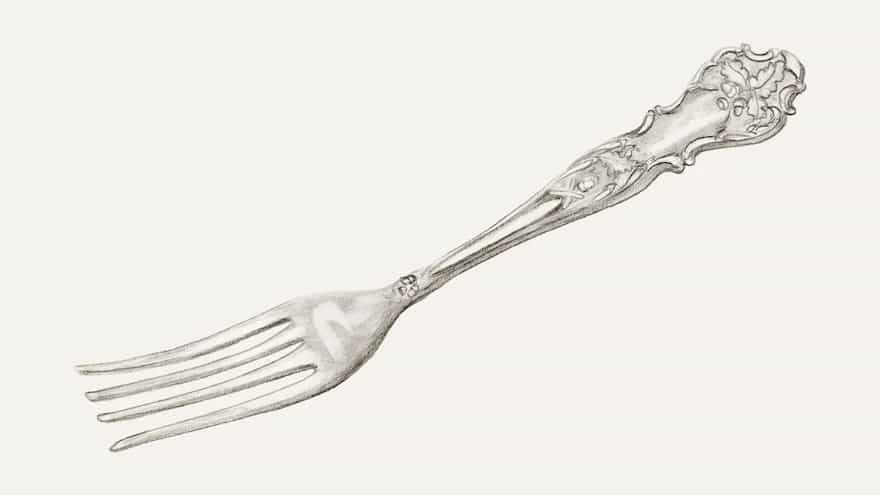
Image Credit: Freepik
Serving Forks
Serving forks move food from a platter or tray to a guest's plate. These forks are utilised in a variety of contexts, including dining tables, buffet lines, and catering applications. They have huge, wide tines that provide stability and support while handling heavy chunks of meat and food. Serving forks are available in a variety of forms, ensuring that you choose the fork that best meets your menu's demands and allows for the simple serving of a wide range of foods.
Ice Cream Forks
The ice cream fork is made particularly for eating ice cream and its toppings. This medium-sized fork has the traditional bowl form of a spoon and short, projecting tines. The tines are large and curved, making the meal easier to consume. These forks are frequently employed at premium restaurants to enhance a guest's dining experience, but they can also be used in ice cream shops. Rather than being placed on the table at the start of the meal, they are served alongside the ice cream afterwards.




