


 Share
Share

There’s something extremely satisfying about stepping into your kitchen garden, plucking a few fresh curry leaves, and adding them straight to a sizzling pan of tadka. The fragrance feels brighter immediately, much greener, and far more vibrant than anything store-bought. Growing curry Leaves at home is not just about comfort, but it is also about bringing a small, breathing piece of your cooking process much closer to you. This plant does not demand any expert gardening skills, just a sunny spot, the correct pot, and a little regular care.
Over the period, it rewards you abundantly with shiny leaves, soft fragrance, and a feeling of connection to the food you make. Whether you have a balcony, a windowpane, or a small kitchen garden, curry leaves can blossom beautifully, changing even a small room into something dense and valuable.
Start With A Healthy Plant, Not Just Seeds
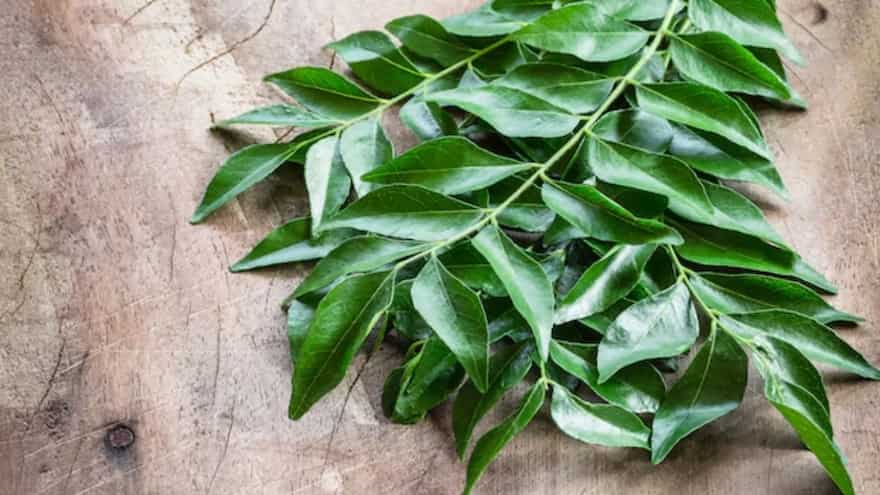
Curry leaves thrive best when you start with a small sapling rather than seeds, as they are slow and unreliable. Pick a plant with deep green leaves and a slightly woody stem. Plant this in a roomy pot, as curry leaves dislike being cramped. Think of this process like settling someone in a cosy place. Once the roots feel safe, the plant grows steadily and rewards you with aromatic leaves much more quickly.
(Image credit: Freepik)
Keep It In Sun
Curry leaves adore sunlight, so keep it in sunlight every day for at least 5–6 hours. Place it around a bright balcony, terrace, or on the kitchen window where it can absorb the warmth. Without enough sunlight, the plant will grow thin and shrivelled, having fewer leaves. If you notice that the growth is slow, shift it to a brighter spot. This plant blossoms in brightness, and a good amount of sunlight is what gives the leaves their signature strong fragrance that you love.
Do Not Overwater
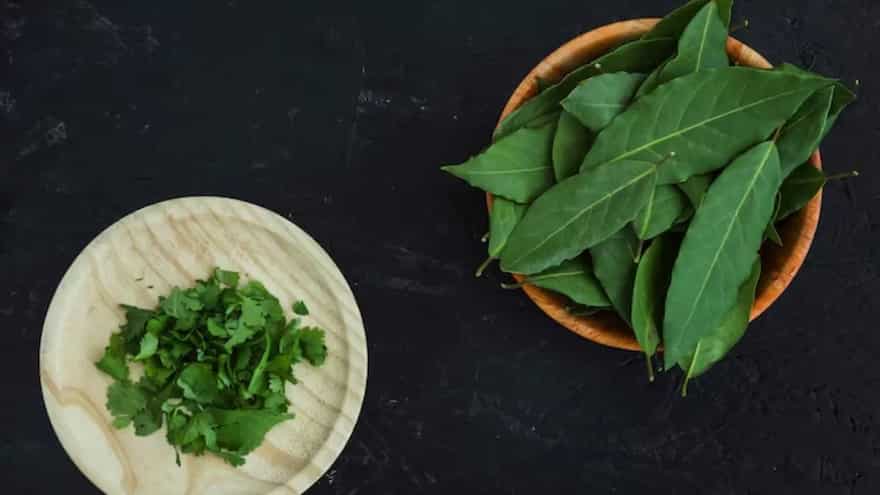
One of the biggest mistakes that you can make is watering it too much. Curry leaves require dry soil over the soggy ones. Water it only when the top soil layer feels dry on touching. Think of it like brewing tea; you need the proper balance and not too diluted. Excess water can result in rotting roots and stunt the growth. Use a pot with drainage holes so that extra water can escape easily, keeping the roots healthy and breathing.
(Image credit: Freepik)
Regular Fertilisation
You do not need any fancy fertilisers to promote your curry leaves growth. Once a month, simply add kitchen compost, dried tea leaves, or some diluted buttermilk to the soil. These are natural boosters that increase the plant growth gently and enhance the colour of the leaf. Curry leaves react wonderfully to this kind of slow, homemade maintenance. It’s like feeding it comfort food rather than packaged snacks; giving it steady nutrition that leads to lush, shiny greenery you like.
Prune Regularly To Encourage Bushy Growth
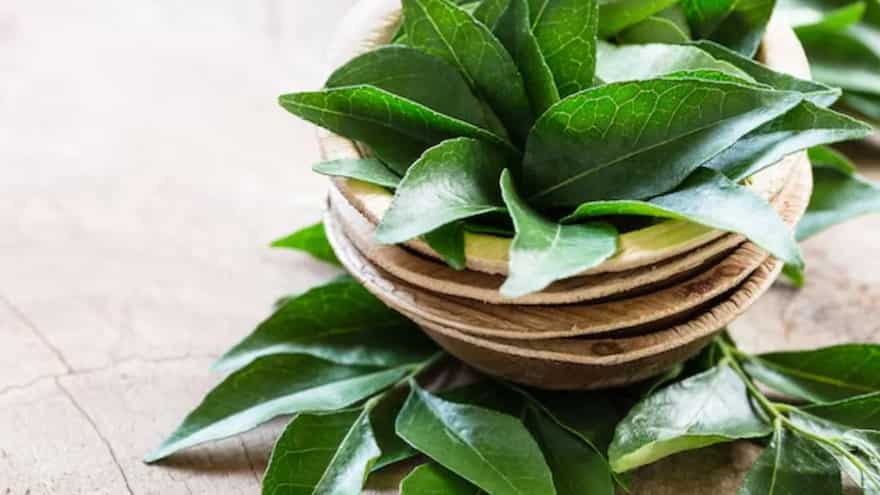
If you keep plucking just the leaves, the plant will become tall and skimpy. Instead, trim the small stems sometimes. Pruning stimulates new branches, causing the plant to be fuller and more effective. Think of it like giving the plant a haircut; it grows back much thicker and healthier. Regular trimming also guarantees you always have soft, fresh leaves ready to be used, rather than waiting for new shoots to appear.
(Image credit: Freepik)




