


 Share
Share

A typical dining table in summers has an overloaded fruit basket, with mangoes, bananas, and melons. But with the rising temperatures, the fear of turning the fruits brown constantly lingers. This makes storing them a real challenge, and no matter how many plans you make to use them in smoothies, milk shakes, or desserts, one spoiled fruit ruins the entire recipe.
This is where freezing fruits can help. When you freeze fruits properly, it not only lasts longer but also improves the texture, which can be helpful for smoothies. Unlike ice cubes, frozen fruits make smoothies thick and creamy without diluting the flavours. This is also a good way to reduce food waste by giving overripe fruits a second life. From mango cubes stored for milkshakes to frozen grapes that can be eaten straight from the freezer, there has been a lot of experimentation around frozen foods. However, not all fruits freeze well, and it is important to know which of them freeze well and maintain their taste and texture for smoothies.
How To Pick Fruits For Freezing
The best fruits for freezing are the ones which are ripe but still firm. Extremely mushy or bruised fruits can release water after thawing, which can affect the texture and flavour.
When choosing fruits for smoothies:
- Pick fruits that have a strong natural aroma
- Avoid fruits with dark spots or cuts
- Use ripe bananas instead of green ones
- Choose less fibrous mangoes for smoother blending
- Pick crisp watermelon instead of grainy pieces
It is also important that you wash and dry fruits properly before freezing them. Excess moisture creates ice crystals, which can cause fruits to stick together.
(Image Credit: Freepik)
The Best Summer Fruits To Freeze For Smoothies
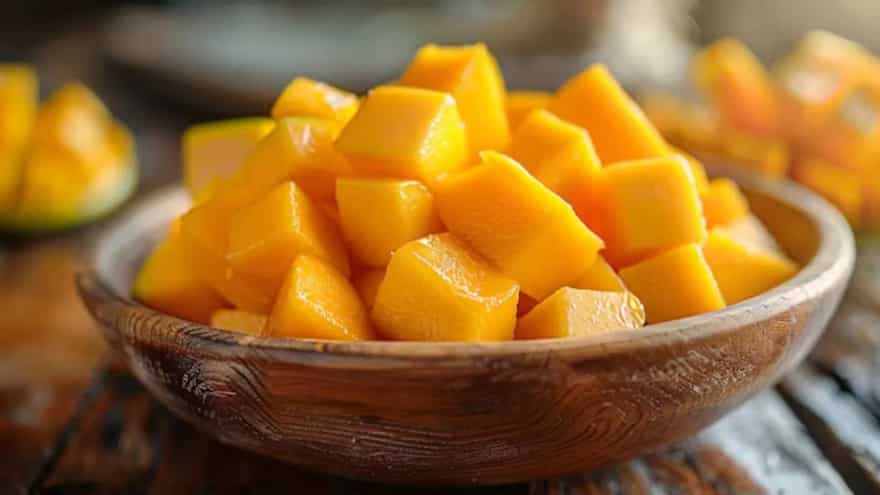
Mango
Mango is one of the best fruits for freezing because its texture stays rich and creamy after blending. You can freeze mango varieties like Alphonso, Kesar, Banganapalli, for smoothies and milkshakes.
Follow these steps while freezing mangoes:
- Peel and cube the manoges
- Remove excess juice before storing
- Freeze the cubes in airtight bags
You can use the frozen mangoes in lassi, smoothie bowls, and homemade frozen desserts.
Banana
Banana is the base of many smoothies because it thickens drinks. Frozen bananas also reduce the need for extra sugar.
To freeze bananas properly:
- Peel them before freezing
- Slice them into chunks
- Freeze in small portions
Ripened bananas blend more smoothly than firm ones.
(Image Credit: Freepik)
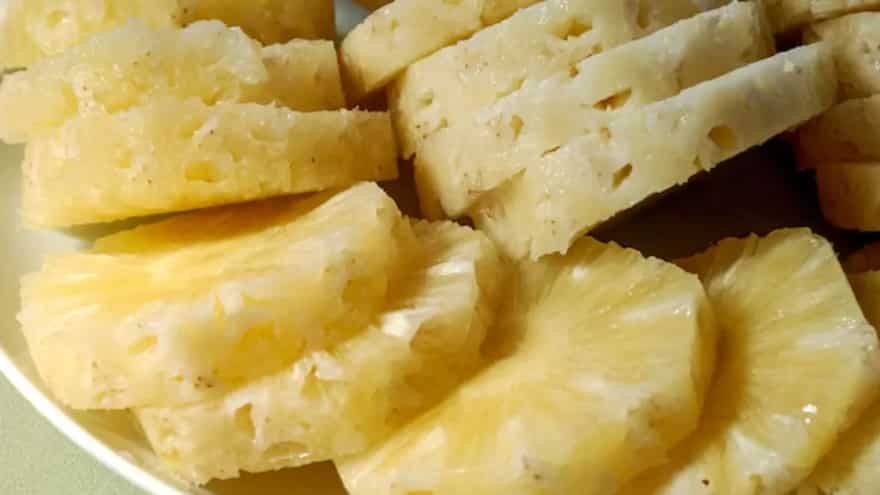
Pineapple
Pineapple freezes well because of its sturdy texture and slightly tangy flavour. It pairs especially well with mango and coconut-based smoothies.
While freezing pineapple:
- Remove the hard centre core
- Cut into small cubes
- Dry completely before freezing
Grapes
Grapes have become a popular frozen snack in recent years, but they also work well in smoothies. Frozen grapes add natural sweetness while keeping drinks cool.
While freezing grapes:
- Wash them thoroughly
- Pat dry completely
- Freeze the grapes as a whole
Seedless grapes are easier to blend and store.
(Image Credit: Freepik)
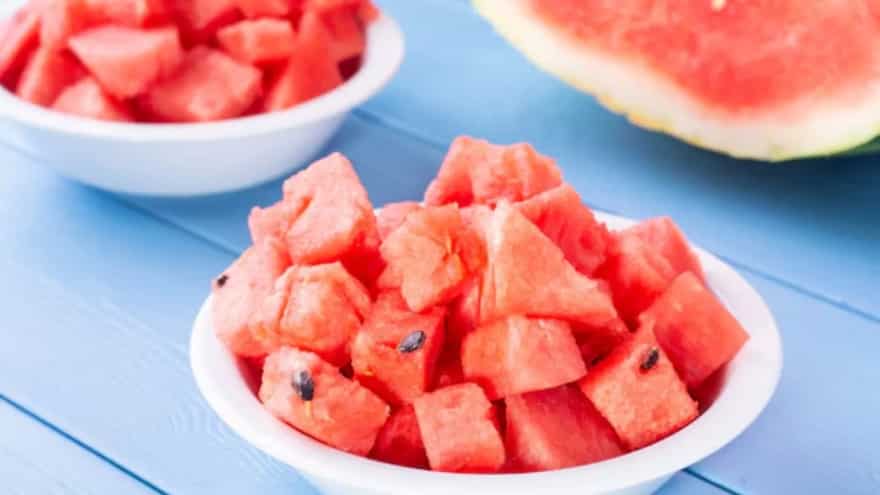
Watermelon
Watermelon contains a large amount of water, which changes its texture after freezing. While it may lose its crunch, frozen watermelon still works well in slushies and smoothies.
To freeze watermelons:
- Remove seeds
- Cut it into cubes
- Use directly from the frozen state
Watermelon is best blended immediately after removing it from the freezer.
How To Store Frozen Fruits Properly
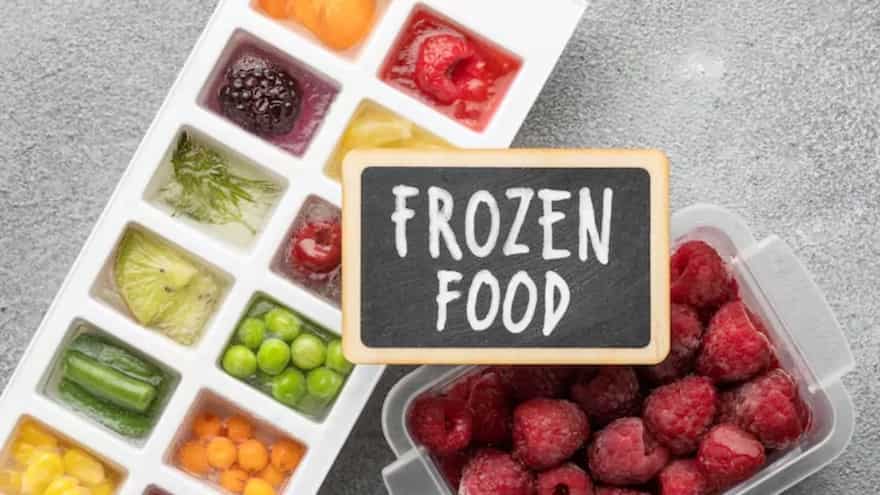
Storage is just as important as freezing. Fruits should always be stored in airtight containers or freezer-safe zip bags to prevent freezer burn.
A few important tips to follow while freezing are:
- Label containers with dates
- Remove excess air from storage bags
- Freeze fruits in smoothie-sized portions
- Avoid thawing and refreezing repeatedly
Most frozen fruits stay at their best for around two to three months, although some can last longer if stored properly.
(Image Credit: Freepik)
Common Mistakes To Avoid While Freezing
- Freezing wet fruits directly after washing
- Storing large fruit chunks that are difficult to blend
- Using overripe fruits with fermented flavour
- Forgetting to remove seeds or peels before freezing
- Overfilling freezer containers
Small preparation steps while freezing can make a noticeable difference in taste and texture later.




