


 Share
Share

A recent food safety complaint has sparked fresh discussions around how customers consider the freshness of packaged food. The discussion started after the Food Safety and Standards Authority of India (FSSAI) sought an explanation from the quick-commerce platform following an objection from a customer who allegedly fell ill after having curd that was ordered from the platform. As per reports, the customer experienced extreme stomach pain and diarrhoea and reportedly needed medical attention, soon after he consumed curd that was ordered from the quick commerce app. FSSAI has also questioned the company to submit an Action Taken Report while looking into the matter.
The case also highlighted something many customers overlook: an expiry date does not always guarantee freshness. Dairy products are highly susceptible to temperature fluctuations, storage requirements, transport delays, or handling practices. Even before the printed expiry date, curd can start to deteriorate if the cold chain is interrupted.
Food safety experts often suggest checking the product itself rather than just depending on packaging dates. Here are some signs that should be paid attention to before taking a spoonful of the store-bought curd.
Smell The Curd Before You Eat It
Fresh curd generally has a clean, a bit tangy smell. If you see a sharp acidic smell, unpleasant odour, or anything that feels unusually pungent, it may mean the spoilage. Dairy products often show problems through the smell long before the visible signs appear. Even if the packaging looks totally fine and sealed, and the expiry date is days away, a weird odour should never be overlooked. Many consumers go straight from opening the container to eating it. Take a few seconds to smell the curd first, as that can help in preventing an undesirable experience and may also protect you from consuming spoiled food.
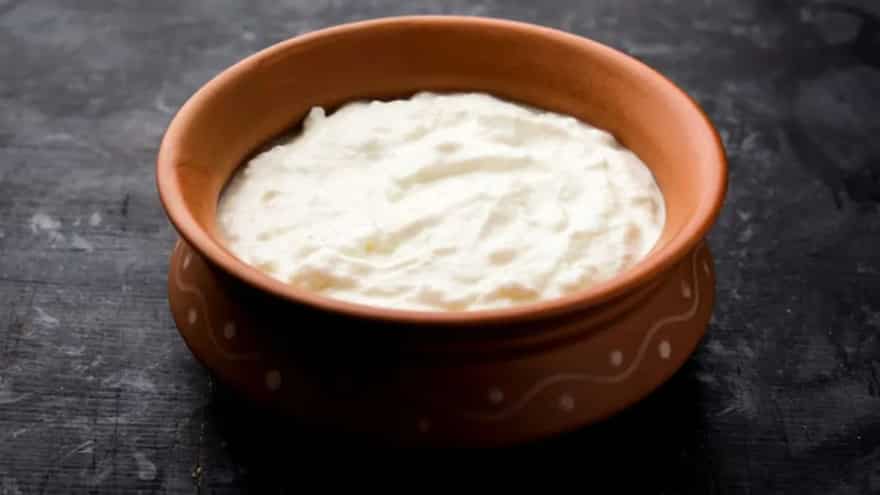
(Image credit: Freepik)
Check If Excess Water Has Separated
A small layer of whey on top of the curd is totally normal and naturally occurs when it is stored. However, excessive liquid separation mixed with a grainy texture may show that the product has been exposed to temperature changes. This usually happens when refrigerated products spend too much time outside managed cooling conditions during transportation or storage. If the curd seems unusually watery, broken, or too uneven in texture, it deserves a much closer inspection. Fresh curd should feel smooth, creamy, and well-set in the mouth and not feel separated or uneven throughout the container.
Pay Attention To The Texture
Texture is one of the most dependable freshness indicators. Fresh curd should feel too smooth and even when it is stirred. If it appears too slimy, stringy, too thick in patches, or unusually lumpy, something can be fishy. Changes in the texture can happen when unwanted microbial growth starts concerning the product. Consumers often look only at taste and ignore that texture delivers the most important clues. Before eating the packaged curd, gently stir it and look at how it behaves. A pronounced change from its normal texture may show that the product is no longer good to consume.
Inspect The Packaging Carefully
The state of the packaging can show more than the date printed on it. Swollen containers, puffed lids, damaged seals, dents, leaks, or observable bloating should be instantly noticed. Packaging may expand when gases form inside due to spoilage. Even a tiny tear or compromised seal can let contamination build up. Before purchasing curd, take a moment to look at the container from multiple angles. A package that looks damaged may show handling or storage problems somewhere in the supply chain, regardless of how recent the manufacturing date is.
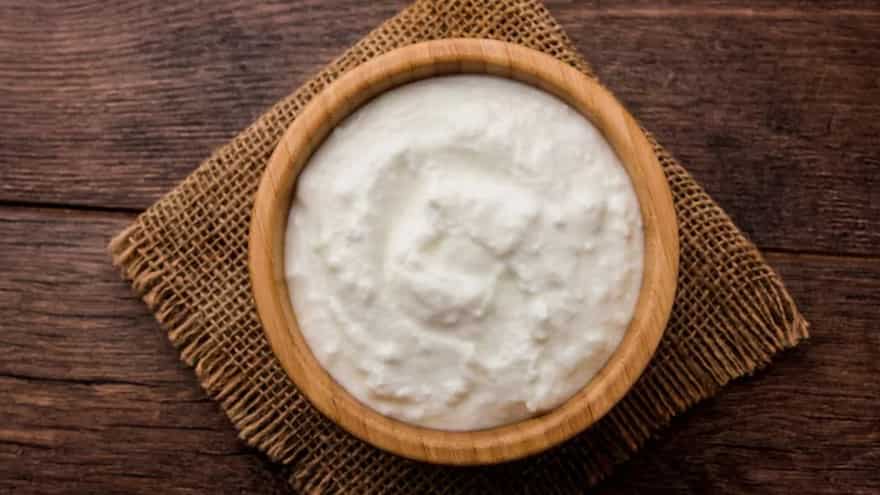
(Image credit: Freepik)
Think About How Long It Stayed Outside Refrigeration
One of the most significant freshness factors is something consumers rarely track, i.e., temperature exposure. Curd relies on consistent refrigeration to stay stable and safe. If a delivery arrives warm, has been outside for long periods, or stays in a parked vehicle during summer heat, quality can spoil faster than it is expected. The expiry date suggests storage conditions have been maintained throughout the journey of the product. Once that chain breaks, freshness may fall much sooner. This is why examining the temperature, packaging condition, smell, and consistency together delivers a more whole picture than just the expiry date alone.




