


 Share
Share

Most of us have been around some form of fermentation since childhood, though we might not have thought of it that way at the time. There was always something left to bubble or turn sour in the corner of the kitchen, idli batter, mango pickles, kanji, that sharp mustard paste your grandmother made without measuring a thing. Making wine follows the same pattern. You let nature do its job, only this time you’re encouraging it to go in a slightly boozy direction.
Now, the idea of brewing wine at home might sound strange if you’ve never tried it. But the process is far less intimidating than it seems. You crush fruit, mix in sugar and water, add yeast, and wait. The waiting part is key. The rest is mostly stirring and keeping things clean.
How To Activate The Yeast
Before you do anything else, you’ll need to get your yeast alive and active. Dry yeast, the kind used in baking, is usually what people use at home, and it needs to be woken up gently. This part isn’t hard, but if you mess it up, the whole batch might not ferment properly.
Take a cup of lukewarm water, not boiling, just warm enough that you’d still dip a finger in it without flinching. Stir in a spoonful of plain sugar. Once that dissolves, sprinkle your dry yeast over the surface. Leave it alone for 10 to 15 minutes. You’ll see a frothy layer forming on top if the yeast is alive and kicking. If it just sits there looking sad and still, your yeast might have expired, or the water might’ve been too hot. Start over if that happens. Once it looks frothy and alive, it’s ready to join the fruit.
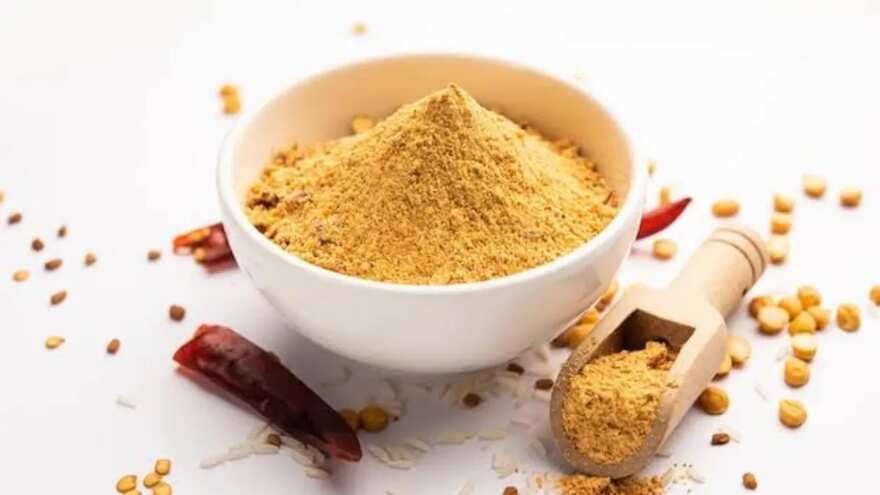
Grape Wine: The One Everyone Starts With
You can’t talk about homemade wine without starting with grapes. They’re the most forgiving, especially the black or deep purple varieties. Wash them well, crush them a bit (hands work best), and toss them into a big ceramic or glass jar. Add sugar, then pour in cool boiled water, not straight from the tap. When the mixture is just warm to the touch, add in the activated yeast. Stir it all with something clean, cover the jar with a cloth, and leave it in a dark corner.
Give it a stir once a day, just to make sure the sugar dissolves evenly and nothing strange forms on top. After about a week, strain the liquid and pour it into bottles, glass only, not plastic. Don’t seal them too tightly. Let them breathe a little, or they might explode from the pressure. You can start sipping it in three weeks, but if you wait longer, it becomes smoother.

Jamun Wine: Sharp, Deep, Purple Goodness
If you’ve ever eaten jamun and ended up with purple fingers and a stained tongue, you already know how intense this fruit can be. Jamun wine has that same boldness. It comes out darker than grape wine, almost black, and it has a sort of earthy flavour that gets better the longer it sits.
Start by removing the seeds from your jamun, which takes some patience. Lightly mash the pulp and simmer it with water just until it softens. Let it cool down. Then add sugar and your foamy yeast mixture. Stir it in, and follow the same routine, stir once daily, keep it covered, and don’t rush. This one tends to ferment a little more enthusiastically, so don’t seal the bottles too tightly. A month later, you’ll have a rich, slightly tart wine that’s best served cold on a warm night.
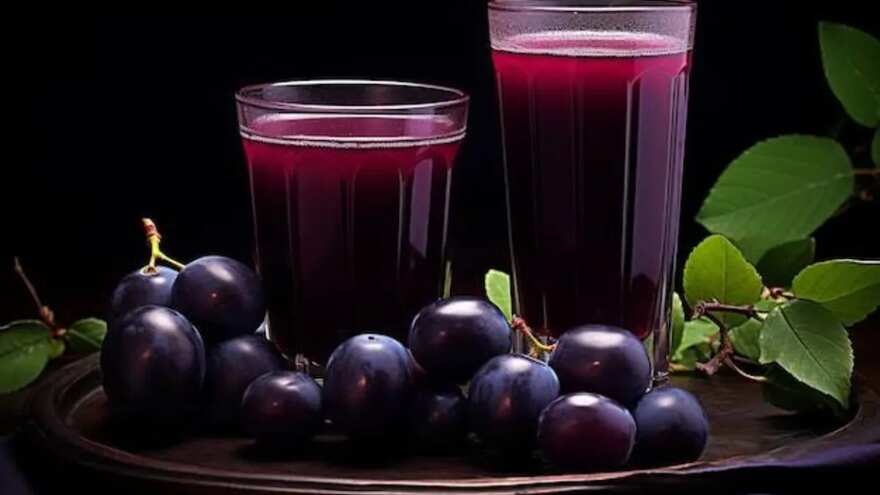
Plum Wine: Balanced With Sweet And Tart Notes
If you’re looking for a wine that strikes a balance between rich and tangy, plums are an excellent fruit to experiment with. Rinse them well, remove the seeds, and chop them roughly. Simmer the fruit with water to soften the skins and release the flavour. After the mix cools, add sugar and the yeast you’ve already activated. The fermentation process for plum wine is similar to others: seven days in a large jar with daily stirring, followed by straining and bottling. With plum wine, the first sip may feel acidic if you try it too early. If you have the patience to let it sit for five or six weeks, the sharpness mellows into something complex and quite satisfying.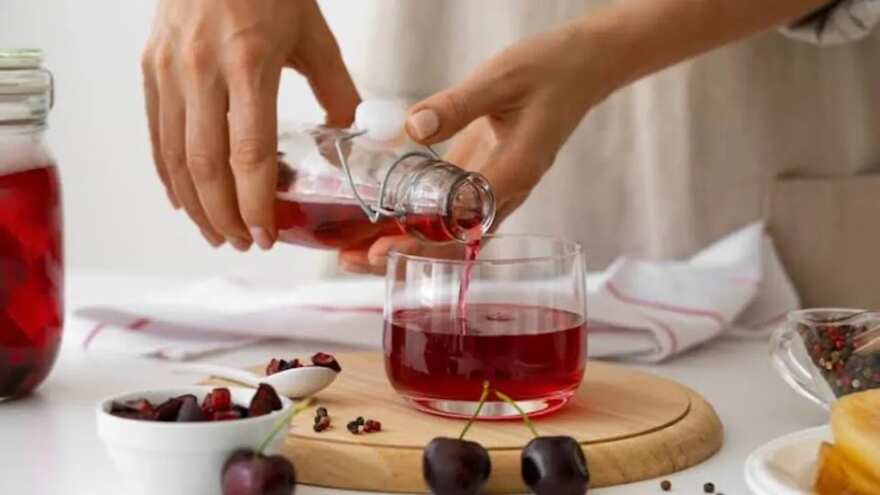
Rose Petal Wine: Floral, Elegant, Lightly Fragrant
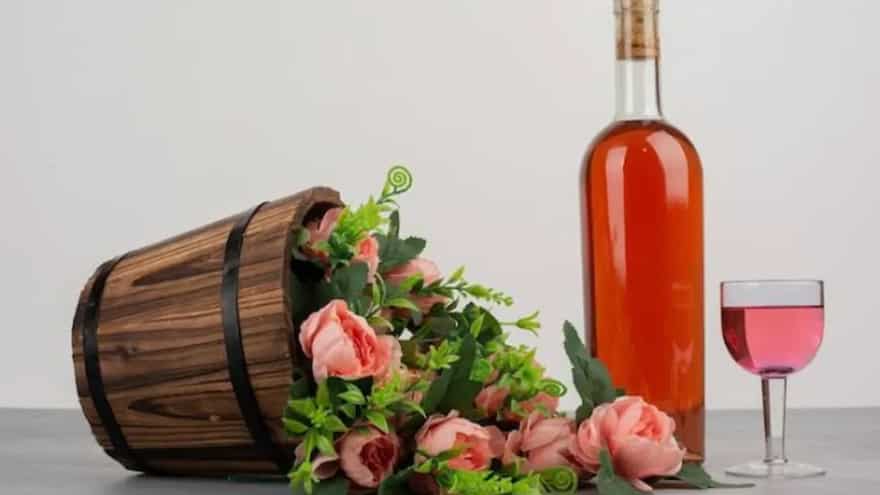
This one is less common, but feels the most indulgent. Fresh or dried rose petals can both be used, but make sure they are pesticide-free. Steep the petals in boiled water overnight to extract the scent and colour. Strain the water into your brewing jar the next day, add sugar and activated yeast, and mix well. Optionally, a splash of citrus juice can help cut the sweetness. Because rose petals don’t carry much natural sugar, the wine is often lighter and clearer than those made with fruit. Stir the mixture daily for a few days, then bottle and leave it undisturbed. Rose wine is ready to drink in about three weeks, but its floral notes shine brightest if left for a little longer.
Final Thoughts On Storage And Safety
Once the fermentation is properly done and things have settled at the bottom, you’ll need to filter the wine to remove all the sediments. This bit can be a little messy, but it makes a huge difference. Take a clean muslin cloth or a fine strainer, and slowly pour the wine through it into another clean vessel. Don’t rush it, let it pass through gently, without stirring up all that settled gunk at the bottom. If you’ve got the patience, filtering it twice gives a clearer result, but even one slow round works well for a homemade batch.
Always use clean, sterilised glass containers for both fermenting and bottling. You can rinse them with hot water or use a vinegar solution to keep bacteria away. Plastic containers are best avoided, as they can leach unwanted flavours over time. Once bottled, homemade wine should be stored in a cool, dark place. If you’re unsure whether fermentation has fully stopped, don’t seal the bottle tightly. A loosely placed cap or cotton plug allows gases to escape without building pressure.

Over time, you’ll start noticing differences between batches, the same fruit may behave slightly differently depending on temperature or season. That’s part of the charm, as every bottle is unique.




