


 Share
Share

For kids of the nineties, summers meant small sweet treat rituals that followed dinner. Places that you were not allowed to even look at for the rest of the year, like ice cream shops, suddenly became the most go-to spots. The excitement of walking up to the fridge in the corner of the shop and looking through the options: a ₹10 vanilla cup, a ₹15 chocobar, a ₹20 cone, or even a family pack, was something most of us looked forward to.
Any small win or celebration during the summer meant an ice cream treat. Be it school results, birthdays, guests visiting, or just a simple post-dinner walk when parents were in a good mood, getting an ice cream felt like a given. The flavours were limited then, but the memories attached to them were incomparable. Touching the cold fridge, staring at the varieties in awe, and wishing you could have one scoop of everything, was something that every nineties kid has lived through. Today, while the act of eating ice cream remains the same, the world around it has transformed. There are more flavours, more access, and far less waiting. The freezers are still there, but who reaches them has changed.

(Image Credit: Pexels)
Who Is Buying Ice Cream Today?
Sudhir Deshmukh, who has been running a daily needs shop since 1991, says, “People still visit the shop post dinner, but most of them are above 30, either with their children, who don’t understand flavours yet and just go with what their parents choose or older generations who already know what they want.”
That being said, footfall hasn’t reduced drastically. “My shop has dairy and bakery items as well. When people come to buy daily essentials, they take a look at the ice cream fridge. And once you look at it, there’s no going back,” he quips. “People often end up picking up family packs on their way back,” Deshmukh adds that he sold ice creams worth ₹1,00,000 in just 25 days.
(Image Credit: Pexels)
The Shift To Convenience Consumption
However, not everyone is walking to stores anymore. Muktika Kubde, 21, says she doesn’t remember the last time she went out specifically to buy ice cream. “Ever since delivery apps like Blinkit started, we rarely go out for it,” she says, pointing to how easy and convenient it has become to simply place an order online. Lifestyle changes have played a big role in this shift. Earlier, ice cream meant stepping out, getting a cone or a bar each, and tasting a bite from everyone else’s pick.
Now, with streaming platforms and summers becoming more indoor-friendly, ice cream is often consumed when one has instant cravings and is eaten straight out of large tubs within the comfort of one’s own space. Suraj Jamodkar, 35, who also prefers ordering via delivery apps, admits he misses the experience. “During childhood, it used to be a special event. Every scoop felt like a small celebration,” he says, recalling how he would even collect tubs and wooden spoons for crafts.
From Seasonal Treat To Everyday Comfort
This shift from seasonal treat to everyday comfort is supported by stronger cold chains and wider retail access, which weren’t as prevalent earlier. Ice cream has evolved from a seasonal luxury into a year-round comfort food, enabled largely by quick commerce. At the same time, family packs and takeaway tubs are more in demand as consumption has shifted more towards homes. According to brands such as Naturals, consumers are preferring taking back tubs for shared family moments, house gatherings, or simply stocking up for convenience.
(Image Credit: Author)
Changing Tastes And New Curiosity
A change in consumption patterns has also influenced expectations. According to Naturals, “Classic flavours like vanilla, chocolate, mango and butterscotch continue to hold their ground, but there is a growing openness to experimentation.” Consumers today are more willing to try flavours beyond the familiar, and are drawn to novelty, texture, and the promise of something different. Interestingly, this curiosity often ties back to familiarity. The collaboration between Naturals and Bombay Sweet Shop is a classic example of that. They have come up with fusion ice creams like Tender Coconut Naga Chilli and Coffee Fudge Crunch, which is a perfect case of mixing a classic and a fusion flavour.
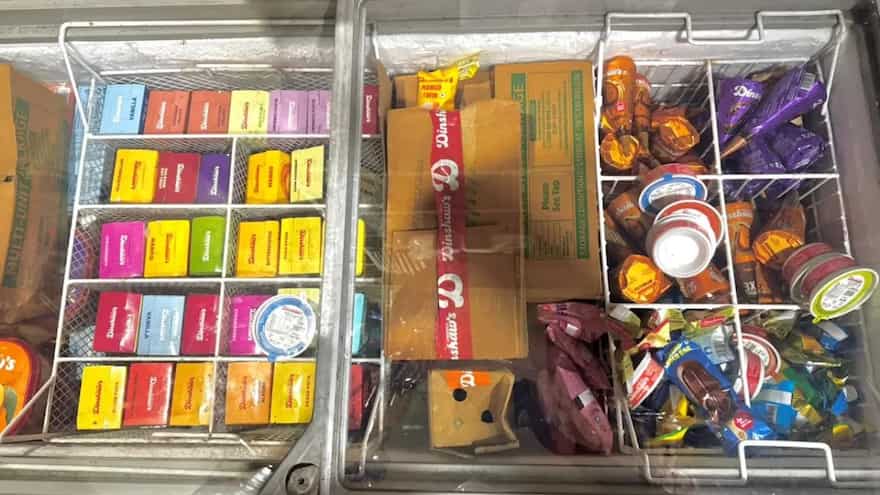
Even local retailers see this shift. Deshmukh recalls how vanilla and butterscotch once dominated, but now brands are experimenting more. “Dinshaw’s has started multi-flavour and kulfi-flavoured tubs. When people see something new, they don’t mind trying it at least once,” he says. The experience of discovering a new flavour in person, the act of seeing it, picking it, and discussing it, cannot be replicated by quick commerce apps, he adds.
Why The Parlour Experience Is Timeless
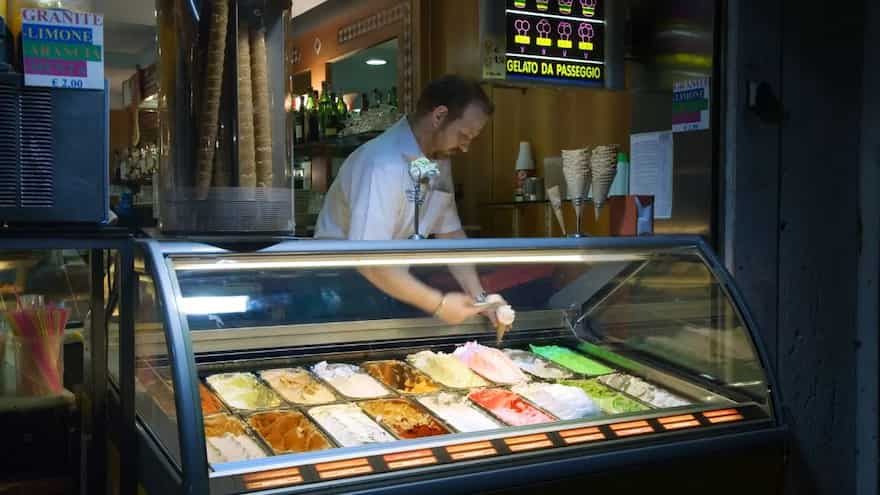
Relishing the frozen dessert at leisure is an activity that is still alive in traditional ice cream parlours. Mumbai-based Taj Ice Cream, established in 1887, is one of the oldest in the country, known for its hand-churned ice creams, and continues to draw a loyal footfall of customers. Aamir Hatim Icecreamwala, the sixth-generation custodian, says the space serves second- and third-generation visitors. “People who came here as children now bring their kids,” he says. At the same time, preferences have evolved. “Earlier, people wanted familiar flavours. Now they are curious.”
To keep up, Taj Ice Cream has expanded its offerings beyond fresh-fruit classics to include flavours like paan, tadgola (ice apple), Biscoff, salted caramel, mixed berries, and passion fruit. “There’s also a growing demand for protein ice creams and sugar-free options,” he adds, reflecting how indulgence today is often balanced with health-conscious choices.
And yet, some things remain unchanged. Located in Bhendi Bazaar amidst a cluster of eateries, the parlour continues to be part of a larger outing. “Eating ice cream here is not just about dessert, it’s about the experience,” he says. Social media has only amplified this. Younger audiences now discover such iconic spots through reels and photos, often travelling across the city to tick them off their lists.
(Image Credit: Wikimedia Commons)
What We Gain Vs What We Lose
Ice cream hasn’t turned obsolete in everyday life; if anything, it is more relevant than ever. Ordered more frequently, consumed casually and available easily; but in becoming easier, something about it has shifted.
For someone like Jamodkar, ice cream still carries memories of slower evenings and familiar choices. For Kubde, it is quicker; ordered on impulse, eaten at home. The shift is subtle yet noticeable; from something anticipated and shared to something to satiate spontaneous indulgence.
The walk to the neighbourhood store, the pause in front of the freezer, the indecisiveness, and the act of choosing together are moments which are far and few in between. It has been replaced by speed, convenience and certainty. While they still carry the sweetness of nostalgia, the experience around it has grown quieter, smaller and perhaps a little less shared.




