


 Share
Share

Fuel prices seldom stay restricted to just petrol pumps. The moment fuel becomes expensive, day-to-day food also starts becoming costlier, particularly in cities that are dependent on food delivery apps and transport-based supply. Over the past few weeks, rising geopolitical tension and turmoil in parts of the Middle East have again raised concerns around global crude oil supply. Since many countries, including India, depend heavily on imported crude oil, even uncertainty around shipping routes or production instantly affects fuel prices back home.
For restaurants, grocery suppliers and delivery platforms, fuel is not only about vehicles. It affects the transportation, the mobility of ingredients, refrigeration, packaging, stores and even the cost of costs in some circumstances. Slowly, these pressures start showing up in food bills, delivery charges and also the restaurant pricing. Consumers may first notice a bit higher delivery fees or smaller discounts, but the ripple impact can eventually touch everything, right from vegetables and dairy to takeaway meals and the cloud kitchens as well.
The challenge is that food delivery ecosystems run on constant motion, riders, trucks, warehouse transfers, cold storage vehicles and restaurant supply chains, all of which depend on fuel. When petrol and diesel prices rise, the impact extends much faster than most people can actually understand. Here are some practical ways rising fuel costs could slowly make everyday food delivery noticeably more expensive.
Delivery Charges Could Increase Quietly
One of the first observable changes usually appears in the hike in delivery fees. Platforms may initially soak up the rising fuel costs temporarily, but over time, higher petrol costs may affect the riders. Many delivery partners already travel long hours across the traffic-heavy cities, so even a small hike in fuel prices significantly decreases their everyday earnings.
To balance this, platforms may introduce surge delivery fees, distance-based costs or reduced discount offers during the peak hours. Customers may not catch these jumps instantly, but smaller added costs across multiple orders slowly make the food delivery noticeably more costly every month.

(Image credit: Freepik)
Restaurants May Reduce Portion Sizes
Instead of suddenly increasing menu prices, many restaurants can adjust portion sizes initially. Rising fuel costs affect ingredient transportation, particularly perishables such as vegetables, dairy, chicken and seafood that arrive daily from the wholesale markets. Packaging material transport becomes more expensive as well.
To protect the profits without frightening customers away with visibly higher prices, some outlets thicken the quantity of gravy, cut side portions a bit or shrink the combo sizes. This silent shrinkage often goes overlooked at first, but frequent customers usually realise their favourite meals feel small while prices remain nearly the same.
Late-Night Deliveries Could Become Costlier
Late-night food delivery relies heavily on riders who travel longer distances with few active orders that are available nearby. High fuel prices make these hours less financially beneficial unless extra charges are added. That is why many apps may raise night delivery fees or lower the available restaurant choices during odd hours.
Smaller independent restaurants may even prevent late-night operations simply to avoid the transportation losses. For customers, this could mean paying much more for midnight cravings, particularly in large metro cities where distances and fuel consumption are much higher.
Grocery And Raw Ingredient Costs Also Rise
Fuel hikes do not impact only restaurant meals; they also push up the grocery delivery and raw ingredient costs. Vegetables, fruits, cooking oil, milk and packaged foods all need transportation from farms, warehouses and distributors before going to stores or the kitchens. Refrigerated vehicles carrying dairy or frozen foods become even more costly to use during fuel spikes.
Eventually, restaurants buying these ingredients on a daily basis face increased operating costs too. This creates a chain reaction where both homemade meals and food delivery orders start becoming a bit more expensive.
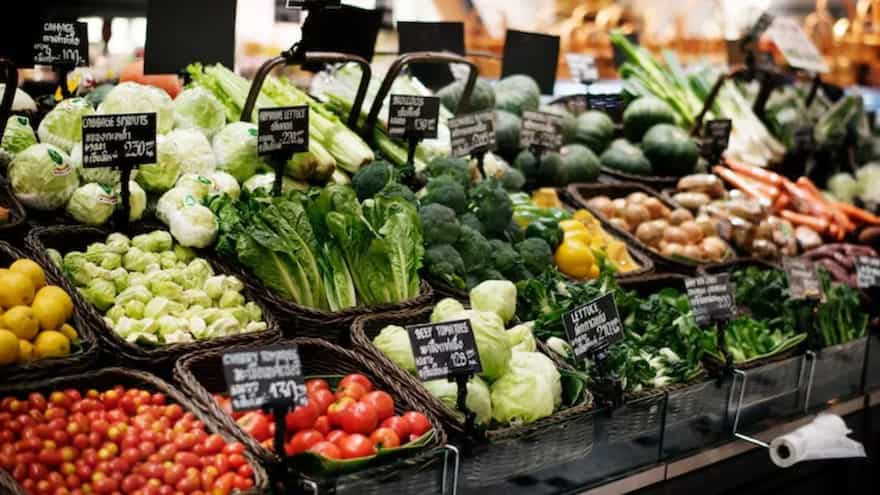
(Image credit: Freepik)
Discounts And Free Delivery Offers May Reduce
Food delivery platforms prevail heavily on the offers, subscriptions and discount drives. But when transportation expenses rise, maintaining aggressive discounting becomes hard. Instead of evident price increases, companies often lower the free delivery thresholds, remove cashback offers or limit the coupon availability to some restaurants only.
Customers who once ordered frequently because of tempting deals may suddenly notice fewer beneficial offers available. In functional terms, this means people end up spending more on every order, even if menu prices themselves have not risen yet.




