


 Share
Share

The word “forbidden rice” originates from ancient China, where emperors were the only ones allowed to eat it to ensure their longevity and vitality. That exclusivity is now gone, but what's left is a grain with potent nutrition and striking colour. These days, it's primarily a term used for advertising. In contrast to the typical white and brown rice, the deep violet colour is eye-catching. Its nutritional profile is strong. Iron, vitamins, fibre, and antioxidants are all abundant in it. You now know why it was so beloved by the Chinese emperors.
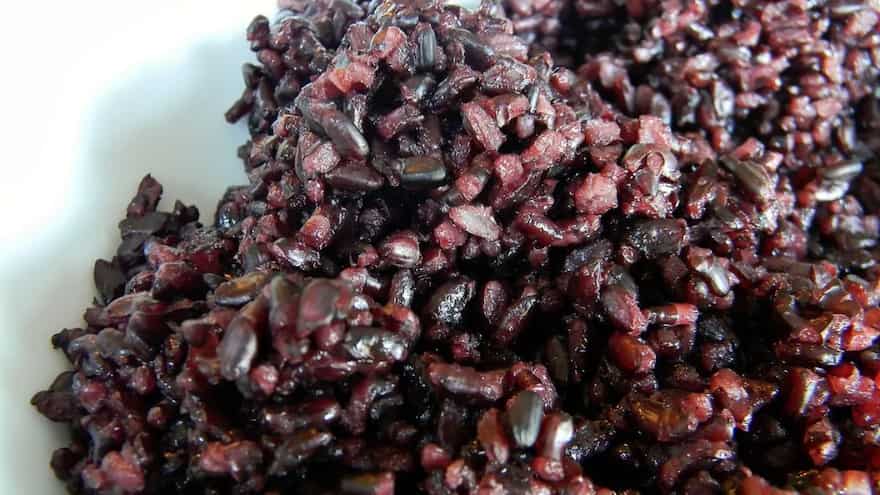
Image Credit: Flickr
In India, black rice has been cultivated for around a century. In warm climates with a three to six-month growing cycle, Manipur produces more during the kharif season (June to October). Since pesticides lower its productivity and quality, the majority of farmers grow it organically. Manipur is home to two different varieties, the chakhao “Amubi”and chakhao “Poireiton.” This sacred grain is used in Assam's Salted Black Rice Tekeli Pitha and Tamil Nadu's chettinad puddings. In 2020, it was awarded the esteemed Geographical Indication (GI) Tag for Manipur, marking an important turning point in the preservation and promotion of this distinctive native type.
Black rice has the special ability to change colour and is a sticky variety of rice. It is black when collected, but when cooked, it turns purple! This is the source of its moniker, “magic rice. So how did it become a superfood, so popular and what nutritional benefits does it have? Let’s break it down one by one.
The Roots Of Forbidden Chakhao Rice In Manipur
Black ice, or chakhao rice or magic rice, is a revered rice in Manipur as it can be used as food and medicine. The rice has a dark colour because of the anthocyanins in it. Loved for its rich taste and historical relevance, this dish is now a mainstay at festivities, marriages, and celebrations. The hearts and kitchens of the residents in this area still bear the legacy of chakhao kheer. It has a unique sweet taste and is very yummy when cooked as "kheer milk.”
Black rice is not as uncommon in the present day since it was used exclusively by the aristocracy in ancient China. Its low yield (about 10 per cent) means that it is still rarer than other rice, and the fact that it has been used in traditional Chinese medicine for hundreds of years makes this rice unique, even if it is not exclusively for royalty anymore. Cooking black rice takes longer than cooking traditional white rice. Before cooking, the rice has to be rinsed and soaked for nearly three hours to reduce the cooking time while preparing kheer or payas. Over time, chakhao rice became more accessible to common households. What once was a food of royalty gradually found its way into the daily meals of Manipuri families.
Also Read: Discovering the Culinary Charms of Manipur
Birth ceremonies, funeral rites, seasonal celebrations, and holy offerings to gods and ancestors all feature this rice. Families make Chak-Hao Kheer, a rich, sweet pudding, as a symbol of health and good fortune during Chakumba, the first rice-eating ceremony for infants. In addition to the monsoon, many farmers follow ancestral customs that dictate that it is unlucky to stop cultivating it for at least three years after starting.
A more general ethic of ecological balance is also reflected in the production of black rice. Because of its length and durability, the straw from harvested chakhao is frequently used to thatch roofs, while the husks are used to make organic manure and good animal feed. By-products are also utilised in some homes to manufacture fermentation products that resemble soda and conventional soaps. This crop's ecological, circular use supports a way of life based on harmony with the soil.
How Did Manipur’s Chakhao Rice Become A Super Food?
It also has more vitamin B, niacin, vitamin E, calcium, magnesium, iron, and zinc than normal rice varieties. Chakhao black rice, sometimes referred to as a "superfood," has a dark colour and fights oxidative stress, inflammation, and cardiovascular disease because of its abundance of anthocyanins, which are antioxidants greater than those found in blueberries. As mentioned in the study, ‘Scientists Explore Why Black Rice Deserves A Bigger Place In Modern Diets’ published 2 November 2025, the health advantages, industrial uses, and medicinal possibilities of black rice are making a comeback as a natural health booster. It also mentions that the majority of the health advantages of black rice are found in its outer layer, known as bran, which makes it extremely nutritious. It has essential nutrients such as vitamins, minerals, proteins, and healthy fats. Black rice provides healthy lipids that promote heart health, the same study mentions. The journal also states it is high in amino acids, which aid in body growth. Its advantages are increased by vitamins like vitamin E and B-complex. It contains naturally occurring plant chemicals that have antioxidant properties. The nutritional value of black rice is further enhanced by soaking or sprouting it.
Image Credit: Wikimedia Commons
In Manipuri cuisine, black rice is used for much more than only the well-known pudding. It’s ground into flour for ethe‑tan flatbread, puffed into kabok snacks mixed with jaggery or sugarcane juice, and brewed into Chakhao‑atingba, a traditional celebratory liquor. Although its high fibre content slows cooking, the result is an aromatic, slightly sticky, earthy grain reserved for dishes of emotional and ceremonial significance rather than everyday meals.
Chakhao Rice In The Modern Culinary World
Manipur's consumption habits are also evolving; chakhao is currently utilised in snacks and breakfast foods, creating value-added goods including cookies, candies, mixes, and cakes as a result of this change, which has boosted the local economy. Chefs and nutritionists love this forbidden rice because of its colour and texture. It gives variety in meals for a range of nutritional needs, even if chefs appreciate it for plate presentation alone. When cooked, black rice has a totally different texture than brown or white rice. In contrast to the fluffier, softer white rice and the chewier, nuttier brown rice, it is solid and slightly chewy. In addition to these advantages, black rice gives the flash of colour that chefs adore for presentation because you eat with your eyes as well.




