Share
Share

A countertop grill is often seen as a single function appliance meant only to flatten bread and heat up fillings. However, understanding how to manipulate its basic features unlocks a whole new level of control over your final meal. The combination of direct heat and mechanical pressure dictates exactly how your ingredients behave inside the press. Some people crave a sandwich with a loud crunch, while others prefer a gentle toast that gives way to a soft and messy centre. Using an Usha sandwich grill gives you the consistent heat distribution necessary to experiment with these different outcomes. By adjusting your preparation methods slightly, you can force the appliance to deliver the exact texture you want every single time.
Managing Pressure For Desired Results
The amount of pressure you apply to the bread directly impacts the final texture of the sandwich. Clamping the lid down tightly instantly compresses the crumb structure of the bread and forces it into direct contact with the hot plates. This heavy pressure results in a dense and highly crispy flatbread style finish. If you want a softer and more airy bite, you simply need to rest the lid gently over the bread without engaging the locking mechanism. This allows the heat to circulate around the sandwich and warm the fillings without crushing the natural air pockets inside the loaf.
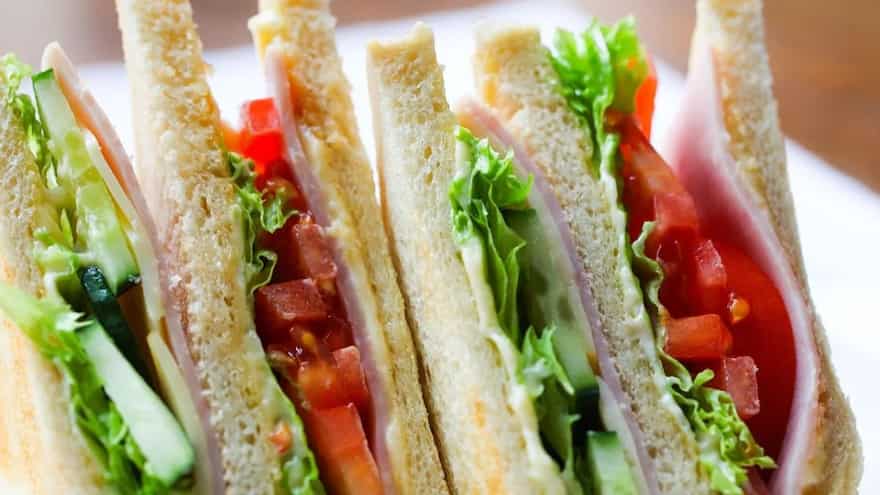
Image credit: Pixabay
If you don’t have Usha’s Sandwich Grill, 
The Secret To A Shatteringly Crisp Crust
Creating a deeply golden and crunchy exterior requires a careful balance of fat and time. Spreading a thin and even layer of softened butter or full fat mayonnaise on the outside of the bread is essential for developing a crisp crust. The proteins and sugars in these fats caramelise rapidly when they meet the hot grilling plates. You must leave the sandwich undisturbed in the press for several minutes to allow this crust to set completely. Opening the grill too early interrupts the cooking process and often leads to a chewy and pale exterior rather than the loud crunch you desire.
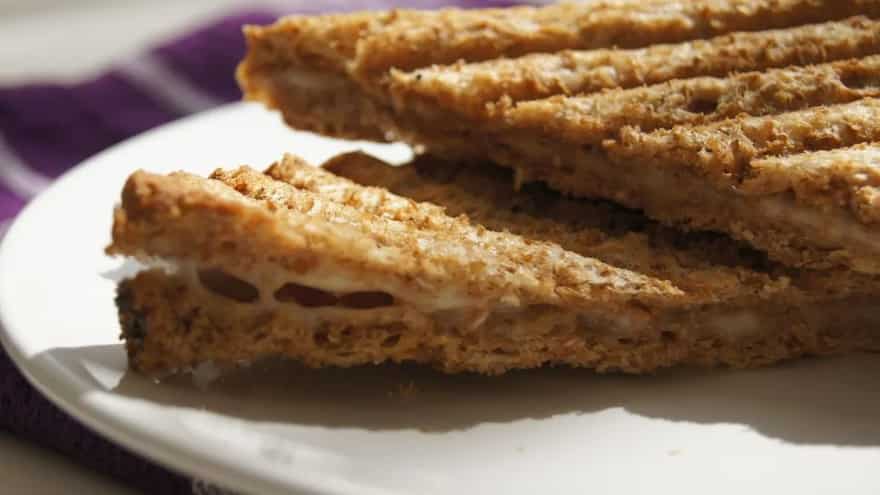
Image credit: Pixabay
Securing A Perfectly Gooey Centre
Achieving a flawless cheese pull without burning the bread requires a slightly different approach to heat management. Thick layers of cheese need time to reach their melting point, meaning you must build your sandwich carefully so the bread does not toast faster than the filling melts. Grating your cheese instead of using thick slices helps it break down much faster under the gentle heat of the grill. While you wait for the cheese to melt slowly and perfectly, you can quickly prepare a complementary hot soup or green tea by boiling water in an Usha electric kettle. This ensures you have a hot beverage ready the exact moment your gooey sandwich is pulled from the press.
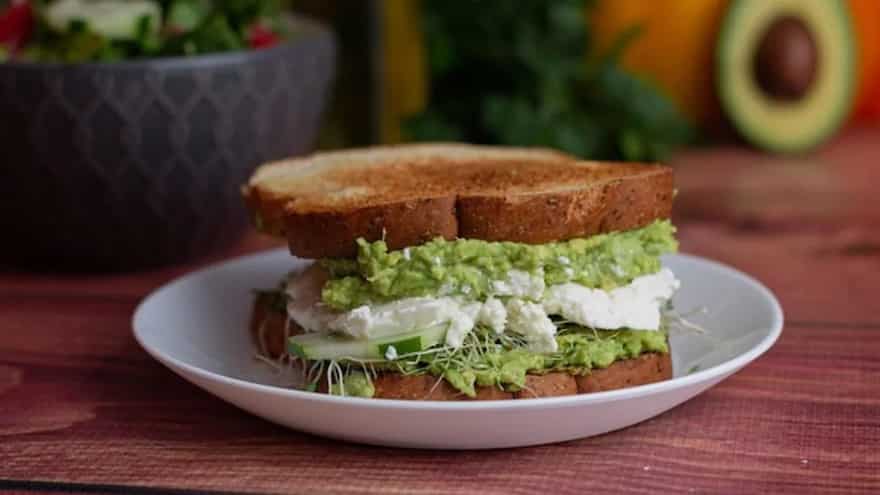
Image credit: Pixabay
If you don’t have Usha’s Kettle,  .
.
Selecting The Right Bread For The Job
The type of bread you choose plays a massive role in determining if your sandwich leans towards crispy or gooey. Dense artisan loaves like sourdough or crusty ciabatta are naturally structured to turn incredibly crunchy when exposed to high heat. These robust breads stand up well to heavy pressure and wet fillings without falling apart. Conversely, soft milk bread or enriched brioche contains high amounts of sugar and fat. These soft loaves yield quickly under the heat, creating a tender and pillowy texture that pairs beautifully with rich melted cheeses and creamy spreads.
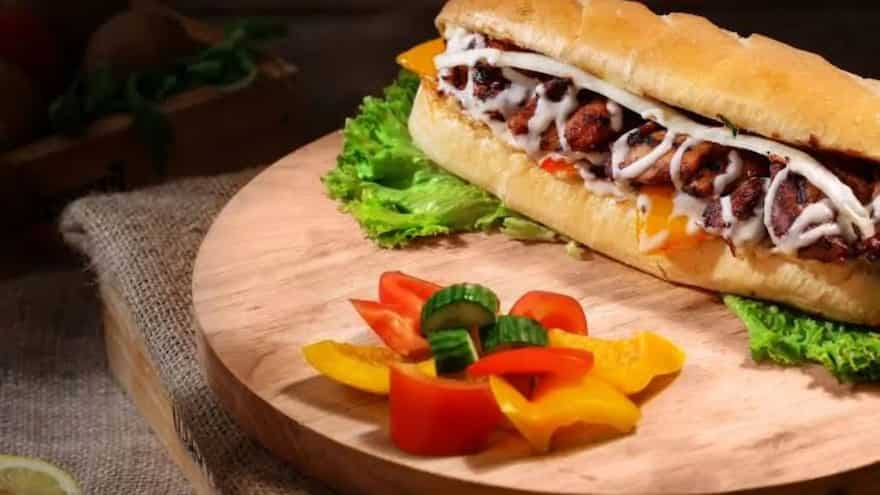
Image credit: Pexels
Controlling Moisture In Your Fillings
Wet ingredients are the biggest obstacle to achieving a crisp sandwich. Sliced tomatoes, wet chutneys, and leftover gravies release steam as they heat up inside the closed grill. This trapped moisture easily penetrates the bread and turns a potentially crisp crust completely soggy. To prevent this, you must build a barrier between the wet fillings and the bread using a layer of cheese or a fat based spread. Placing wet ingredients in the very centre of the sandwich ensures the bread stays dry while the filling heats up perfectly, giving you complete control over the final texture of your meal.