


 Share
Share

Given how we’re days away from Diwali, kickstarting celebrations with festive gatherings and parties are a way to hobnob and spend quality time with family, old friends and acquaintances. Planning these events in full-swing often involves centering adults as the focus of these experiences, leaving little scope for children to enjoy the festivities with as much enthusiasm. While cocktail stations and charcuterie keep the grown-ups engaged, it is worth considering that kids between the ages of six and fifteen would also seek to look forward to being catered to—aside from the usual games and activities. Although not needing an arrangement that is as elaborate, a little attention to detail and being mindful about accessibility, gives them the agency to pick and choose what they would like to eat, as a result giving the parents some time off from keeping an eye on them being well-fed.
Avoid Messy Food Options
Any preparation that might involve too much gravy or sauce is a possibility of causing spillage or making a mess out of, when children are eating. It is most ideal to have options present in the form in which they can be consumed directly or can be mixed and matched according to their preference. Think of fruit skewers, paneer or chicken stuffed wraps or quesadillas that have been cut into bite-sized portions, meatballs or koftas on toothpicks and even makhana housed in small boxes that are easy to carry around.
Include DIY Preparations
Children love to feel like they are contributing to something, especially when food is involved in the equation. Like adults, keeping them engaged and enabling them to take ownership of assembling a meal for themselves facilitates them wanting to try a variety of things that they would otherwise avoid, when forced to pick. Focus on one theme—such as a taco or a shawarma station, where they can make a wrap for themselves without interruptions.
Also Read:
Provide Easy Access
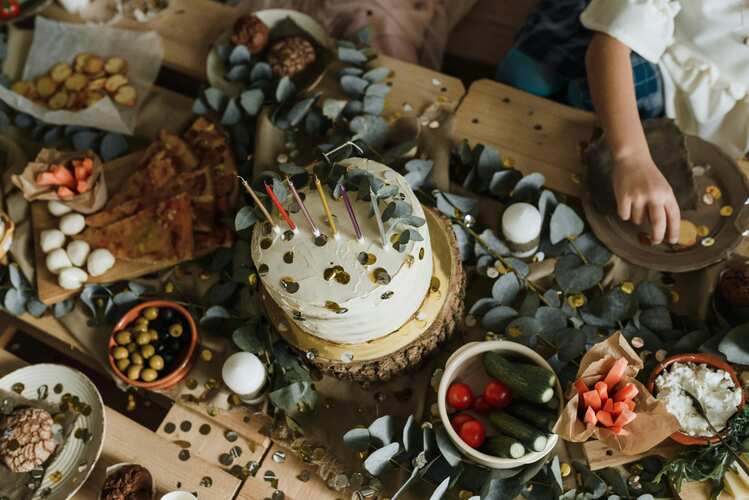
Image Credits: Pexels
Since children are more likely to eat what they can reach, ensure that the table is low-set as a way for them to see what’s on display. Steer clear of having high chairs or any kind of seating which might restrict their movement. In addition to this, using a variety of colours to make the table visually appealing as well as interesting cutters to shape hard cheeses, fruit or vegetable slices into interesting forms. Based on the range of children one plans on hosting during the gathering, take a call between having recyclable cutlery which isn’t as sharp and actual cutlery (knives included).
No Strong Flavours/Textures
Most kids tend to be repulsed by odors that might be overpowering to the nose or palate—and, as a result, avoid opting to eat a particular type of food. As a result, exclude pungent cheeses, dips, spreads or crudites which might have strong or sharp flavours or combinations that they could be unfamiliar with, from the menu. Avoid the risk of pairing contrasting textures too much or having foods that might be difficult for them to bite into, as a blanket protocol. Have a small board placed at either sides of the table for them to read and understand the ingredients or dishes laid out in the spread better, before they can make a decision. If planning on having a catering service take care of the refreshments, station an individual to man the table and guide them through as well as provide recommendations.
Balance Tasty & Healthy
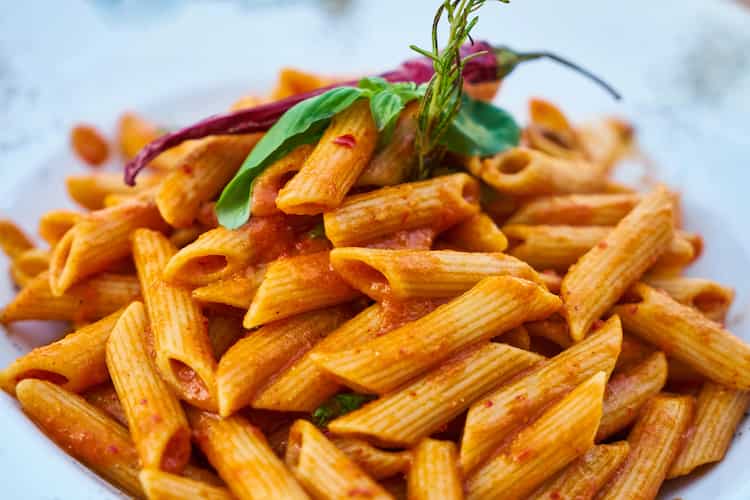
Image Credits: Pexels
The concern that most parents face with getting their children to eat is to ensure that they’re consuming enough nutrient-rich foods without having an unpleasant experience. A great way to balance it during festive parties is by either masking ingredients into fun, interesting dishes such as a zucchini chocolate tea cake or a veggie-loaded pasta sauce. Another great way is also to play it safe with ingredients that are sure to be picked at—cucumber or carrot sticks, fresh berries, soya cutlets or paneer rolls—which touch upon most essential nutrients and are also loaded with fibre and protein.




