Share


Every December, between the first and tenth of the month, the crisp mountain air around Kisama Heritage Village just outside Kohima turns thick with woodsmoke and roasting meat. While visitors arrive drawn by the thunder of log drums, feathered headgear, and warrior chants, seasoned travellers know that the true pulse of the Hornbill Festival beats inside its kitchens. 
For anyone accustomed to the oil-rich gravies, roasted spice blends, and dairy-heavy sauces found across much of mainland India, Naga cuisine arrives as a revelation. There are no cumin-and-coriander tadkas here, nor any reliance on cream or ghee. Instead, tribal cooks across Nagaland build extraordinary depth through three elemental techniques: smoking over open hearths, fermenting local produce, and boiling ingredients with clean aromatics like ginger, garlic, and wild herbs. At Kisama, each of the participating tribes runs its own morung, a traditional communal hall and kitchen where age-old recipes are ladled out fresh beside crackling fires.
Smoked Pork And Fermented Treasures
Pork sits squarely at the centre of Naga gastronomy, cured for weeks above household fireplaces until the fat turns translucent and deeply fragrant. At the Sumi morung, your first order should be smoked pork cooked with axone, locally pronounced akhuni. Made from fermented soybeans, axone delivers an assertive, savoury funk that clings to the smoky meat in a thick, umami-packed gravy. First-timers sometimes pause at its powerful aroma, yet a single mouthful paired with steamed rice explains why stalls sell out before mid-afternoon.Walk over to the Ao morung to sample another celebrated pairing: dry smoked pork simmered with anishi. Crafted from young taro leaves that are fermented, shaped into patties, and dried over embers or in the sun, anishi lends an earthy, slightly tart complexity that cuts right through rich pork fat. If you prefer bright, tangy flavours, look for pork cooked with fermented bamboo shoot, a staple across almost every tribal kitchen at Kisama. The bamboo shoots bring a clean sourness that balances the char of the meat effortlessly.
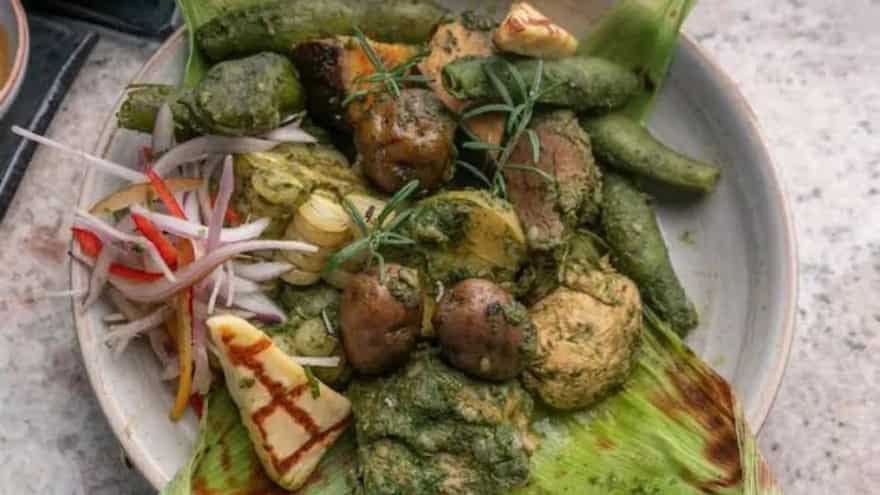 Image credit: Magnific
Tribal Specialties Worth Hunting Down
Beyond the headline pork dishes, every morung guards its own regional pride. At the Konyak stall, bold eaters gravitate towards smoked beef prepared with bamboo shoots and fiercely potent chillies. Meanwhile, the Chakhesang and Zeliang morungs offer a glimpse into forest foraging traditions, serving mithun meat alongside akini chokibo, a prized delicacy of river snails slow-cooked with crushed perilla seeds. Perilla, a nutty herb from the mint family, thickens the broth into something velvety and aromatic. Fish lovers should seek out bamboo-steamed freshwater fish. Stuffed inside hollow green bamboo tubes with wild herbs, ginger, and green chillies, the fish steams directly over glowing coals, emerging tender and infused with the sweet perfume of scorched bamboo. Adventurous palates will also spot platters of crisp, lightly seasoned fried grasshoppers and nutrient-dense silkworm pupae, popular snacks munched casually between arena performances.
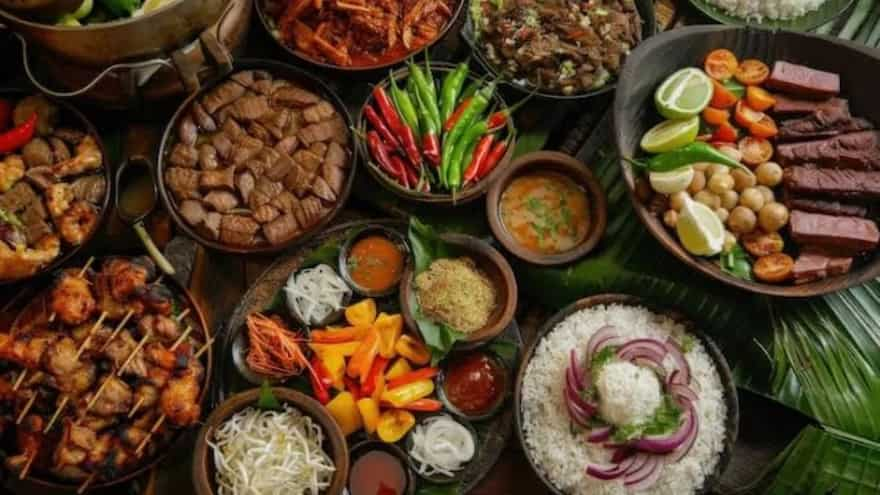 Image credit: Magnific
Comforting One-Pot Meals And Vegetarian Finds
December temperatures in Kohima dip sharply once the sun drops behind the hills around half past four, making a steaming bowl of galho indispensable. Often compared to a rustic khichdi, galho is a soupy, restorative porridge of local rice, seasonal greens, ginger, and morsels of smoked meat or pork fat. Variations abound across the grounds; the Ao version known as amrusu blends ground rice with chicken, bamboo shoots, and garlic into a velvety, warming stew. While Naga cooking leans heavily toward meat, vegetarian travellers will not go hungry at Kisama. Nearly every stall serves vegetarian galho alongside bowls of hinkejvu, a wholesome medley of boiled colocasia, mustard greens, cabbage, and French beans seasoned with little more than a pinch of salt. Look out too for Rengma-style hankerjeni, a comforting preparation of yam and wild leaves cooked entirely without chillies, letting the natural sweetness of mountain produce shine. Pair these with bamboo-steamed sticky rice and a side of vegetable axone chutney for a thoroughly satisfying meat-free meal.
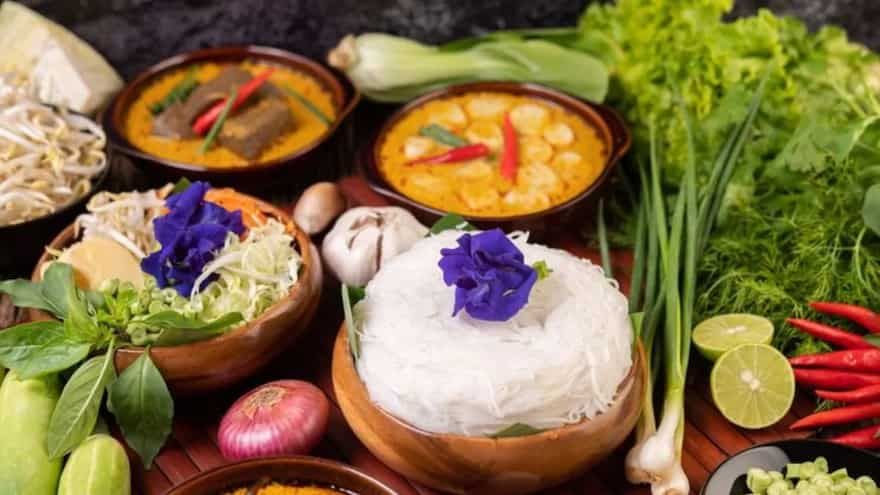 Image credit: Magnific
Navigating The Naga King Chilli
No culinary expedition to Nagaland is complete without reckoning with the raja mircha, or bhut jolokia. Once crowned the hottest chilli on the planet, the Naga king chilli is treated here not as a novelty dare, but as an everyday seasoning valued for its fruity, floral heat. Stallholders crush it fresh, dry it over smoke, or grind it with fermented soybeans and tomatoes into fiery chutneys. Respect is the golden rule. Most main curries at the festival are surprisingly moderate in heat, while the real firepower sits in the side chutneys. Dab a tiny speck onto your rice rather than scooping up a spoonful, and never eat it on an empty stomach. Should your tongue catch fire, skip plain water, which merely spreads the capsaicin around, and reach instead for a mouthful of sticky rice or a sweet cup of local tea.
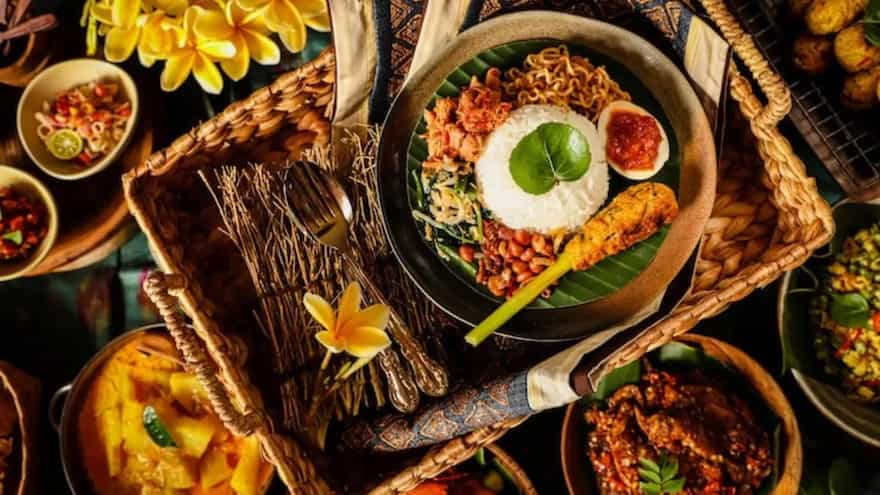 Image credit: Magnific
Traditional Brews And Sweet Finishes
To wash down all that smoke and spice, order a bamboo cup of zutho. Brewed from fermented rice, this milky, mildly alcoholic drink tastes pleasantly sour, grainy, and refreshing, acting as a natural palate cleanser between rich dishes. Different morungs produce distinct batches, ranging from lightly sweet to sharply tangy, while the Kuki morung skips alcohol altogether in favour of freshly brewed local coffee and smoky sausages. End your feast on a gentle note with nap naang, a velvety black rice pudding simmered slowly with milk and sugar until the grains turn glossy and nut-sweet. After dusk, take a short cab ride into Kohima town for the Hornbill Night Carnival, where lantern-lit street stalls serve everything from grilled skewers to steaming momos well into the evening.

Image credit: Wiki
Practical Tips For Eating Smart At Kisama
Arrive at the festival food court before noon if you have your heart set on smoked pork with axone or bamboo fish, as popular tribal stalls frequently run out of signature batches by early afternoon. Carry plenty of cash in smaller denominations, since mobile networks fluctuate in the hills and most morung kitchens operate strictly on cash. Above all, chat with the cooks behind the counters. Naga hospitality is famously warm, and stallholders are always glad to explain ingredients, adjust spice levels, and point curious diners toward the finest flavours on the fire.