


 Share


There are few snacks as universally comforting as a well-made cutlet, whether it is packed with spiced potatoes and peas, minced beetroot, or succulent chicken. Biting into one should offer a delightful contrast between a crisp, golden outer crumb and a steaming, flavourful interior that melts on the tongue. Yet, getting that precise texture right without soaking the mixture in heavy oil can feel like a guessing game. Traditional shallow frying often leaves parts of the crust unevenly browned while absorbing too much grease, and baking in a standard oven can dry out the filling before the exterior ever turns crisp. Master the science of heat transfer and moisture movement to transform your cooking, and rely on an Usha air fryer to use targeted thermal dynamics for that perfect bakery-style crunch while keeping the filling wonderfully juicy.
The Maillard Reaction And Achieving A Golden Crust
Look closely at the secret behind that gorgeous golden-brown colour and savoury aroma on a great cutlet: a chemical process known as the Maillard reaction. When amino acids and reducing sugars on the surface of the breadcrumb coating encounter dry heat above 140 degrees Celsius, they undergo a complex rearrangement that creates hundreds of new flavour compounds. In a traditional frying pan, reaching this state requires a bath of hot oil to conduct heat rapidly to the surface. An air fryer triggers the exact same chemical browning by bombarding the food with high-speed thermal convection. The rapid movement of superheated air drives off surface moisture almost instantly, allowing the Maillard reaction to take place swiftly and evenly across every contour of the crumb coating without needing deep pools of oil.
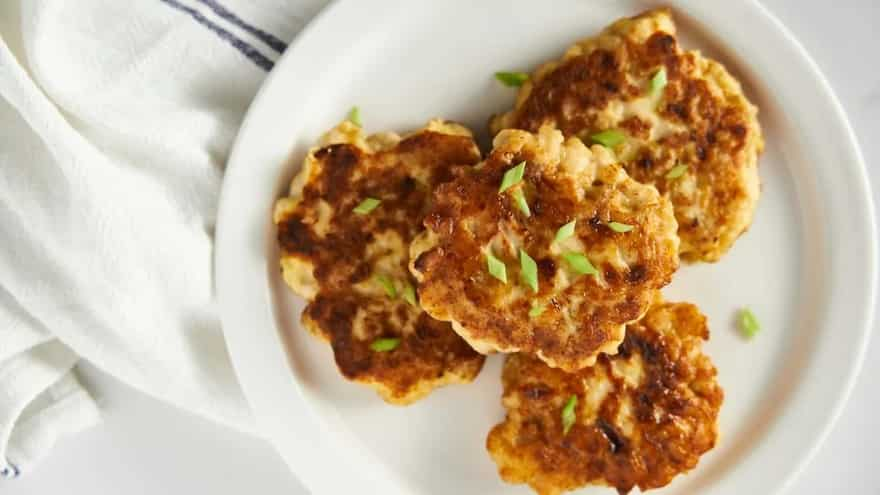 Image credit: Unsplash
Your Kitchen Needs Usha’s Air Fryer, 
Managing Internal Moisture To Prevent Dryness
Focus on managing your moisture levels properly so you can keep the interior moist while the exterior crisps up. If the heat is too low or prolonged, moisture escapes entirely from the filling, turning vegetable mashes dense or meat mixtures rubbery and dry. The compact cooking chamber of an air appliance creates a thermal envelope that cooks the interior rapidly through gentle conduction while sealing the outer layer. This process traps the internal steam just long enough to cook the core ingredients thoroughly, resulting in a cutlet that stays plump, tender, and juicy on the inside while maintaining a rigid, protective outer shell.
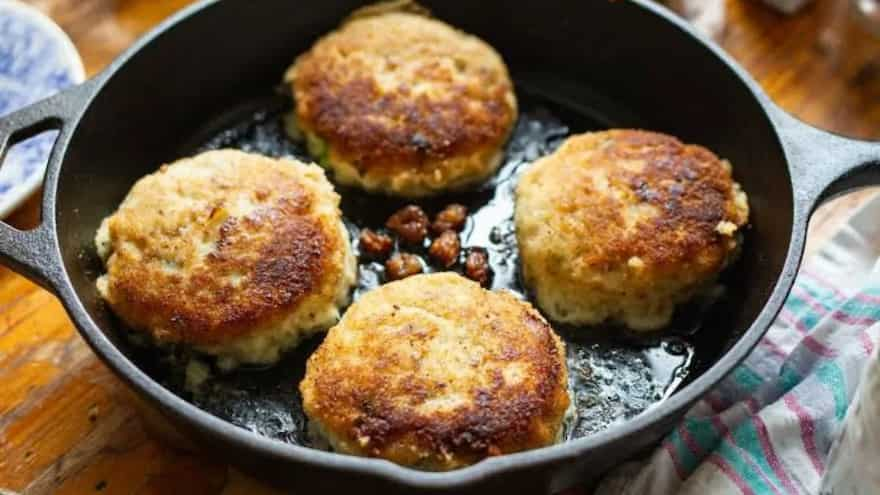 Image credit: Unsplash
The Mechanics Of Breadcrumbs And Binders
Examine the exterior texture of a cutlet to see how much it relies on the physical interaction between your binder, such as a flour slurry or beaten egg, and your outer coating of breadcrumbs. Fine breadcrumbs create a dense, compact shell that holds shape well, whereas coarse panko crumbs trap tiny pockets of air that shatter delightfully when bitten into. When these coated cutlets enter a high-velocity air stream, the dry crumbs do not slide off because the initial flash of dry heat instantly sets the surface proteins of the binder. This quick-set mechanism locks the crumb matrix firmly in place, preventing shedding and ensuring an even, uniform crunch across the entire surface.
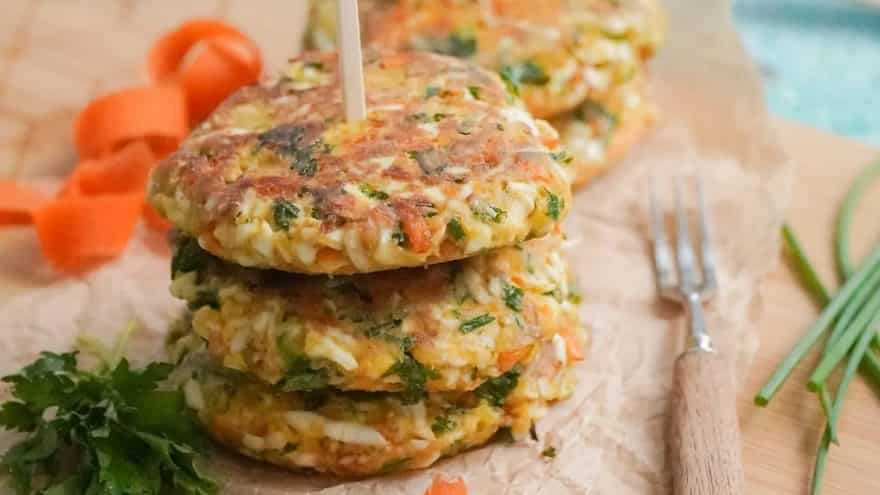 Image credit: Unsplash
Convection Versus Conduction For Even Browning
Contrast traditional baking, which relies primarily on radiant heat from oven elements, with modern airflow methods to see why baking often causes the top of a cutlet to brown while the bottom remains pale and soggy. Air frying uses forced convection where a powerful fan circulates heat in a continuous 360-degree vortex. This uniform movement ensures that the bottom of the cutlet receives just as much thermal energy as the top, eliminating the need to manually flip items halfway through cooking. Every square millimetre of the crumb coating crisps simultaneously, giving you a professional, evenly coloured finish from edge to edge.
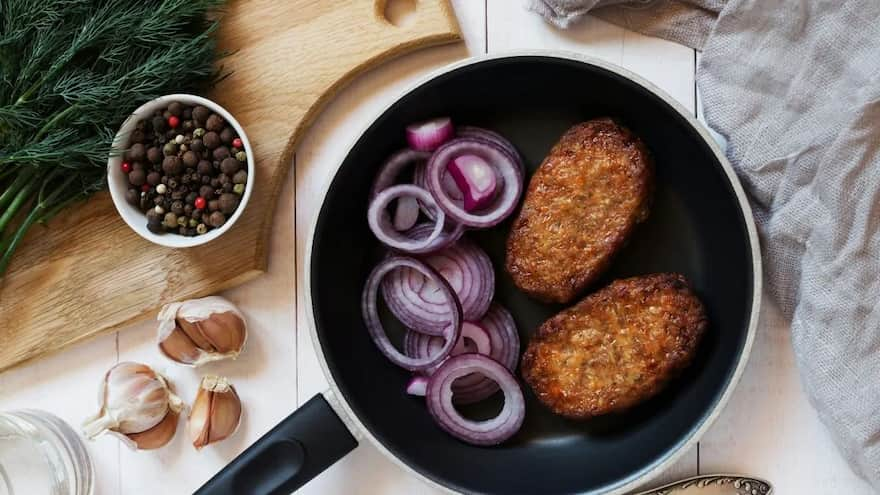 Image credit: Unsplash
The Vital Role Of Preheating And Thermal Shock
Avoid placing cold cutlets into a cold cooking chamber, as this common mistake ruins texture by allowing moisture to seep outwards and turn the crumb coating soggy before browning can begin. Preheat your appliance to create an intense thermal shock the moment the food enters the basket. This immediate blast of high heat vapourises surface moisture on contact, instantly sealing the pores of the outer crust and preventing any excess oil from migrating inward. Apply this precise thermal management to separate a soggy, heavy snack from a light and crisp cutlet that tastes and feels exceptionally fresh.




