


 Share
Share

It may surprise you to learn that the earliest tea cups lack handles. Every family has these small tea cups, which are a product of the late 1700s and early 1800s. These are referred to as sipper cups or tea bowls. Like the Chinese, the English started drinking tea, but they insisted on having it served hot. They used saucers as a remedy because the tea bowls were too hot to handle! Before drinking, they would actually pour their tea into the saucers to cool it. It wasn't until 1810 that handles were frequently attached to tea cups. After that, it became impolite to use your saucer to cool your tea. You may or may not have thought about the teacups when dining at Asian eateries. You frequently question why they don't have handles. The answer is that different Asian cultures believe that if the cup is too hot to hold, the tea is too hot to drink.
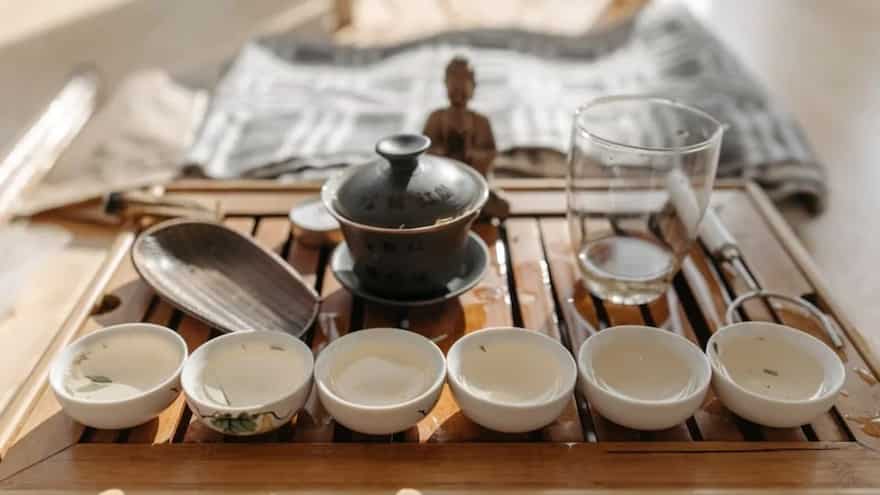
Image Credit: Pexels
During those days, a minimum of belongings was carried by men who went to work or were nomadic. Since bowls were used for both food and drink, it made sense for handle-less cups to evolve. It took some time for cups with handles to develop in Europe during the 18th and 19th centuries. Attaching a looped handle to a cup was difficult, and fire techniques for different types of clay were still evolving. The development was spearheaded by England. Historians believe that the first cups with handles may have been more of a fashion than a utility, since these early handles often had curlicues, gilt, and images. The handle slowly became a fixture of the British teacup. American, Bavarian, French, German, and Russian teacups followed suit.
Sipping On History
Chinese teacups are typically made of porcelain, and their handleless design makes them easier to manufacture and transport. Additionally, several types of tea require particular temperatures to be brewed. In this instance, a cup without a handle enables users to grasp it with their hands and independently gauge its temperature. Chinese drinking is more akin to tasting. They take the saucer and cup together, slightly open the cover while keeping it pressed against the cup, take a sip, and then return it to the table. In Europe, afternoon tea is typically a social gathering for nobles. Additionally, as most Europeans enjoy sweets, they often add milk and sugar to their hot tea. They would pour the tea into the saucer to cool it before drinking it.
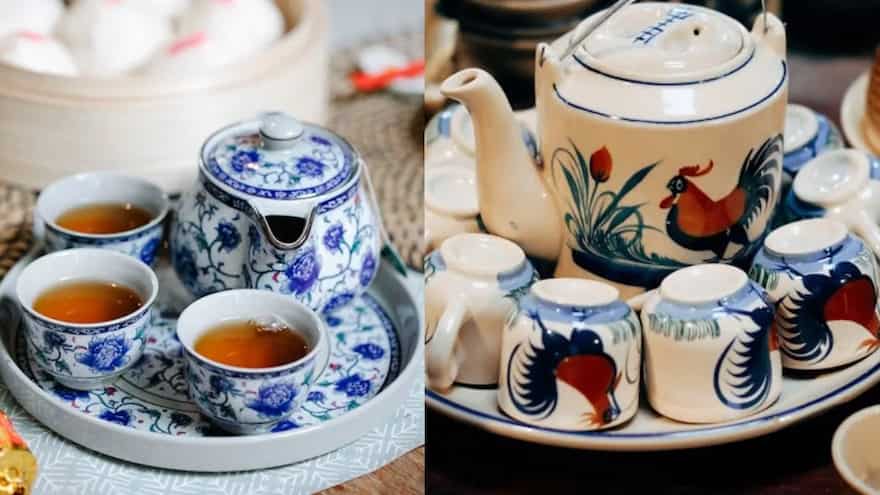
Image Credit: Pexels and Unsplash
Long before 1000 BC, bowls were used for food and drink by nomadic people throughout the world. In Central Asia, Russia, and Turkey, these handleless bowls were referred to as piola, pyola, piala, or chini, and they were available in a variety of sizes. They were simple to pack, transport, and use while traversing mountains, forests, and deserts because of their rounded shape. There was no need for tables to serve food or tea because the bowls could be set on the ground or nestled in sand when it was time to eat or drink. Craftspeople back then loved experimenting with shapes and designs, just as they do now. Inspired by these handleless bowls, the short, rounded shape of the teacup quickly spread throughout Asia. In China, tea bowls were beautifully crafted with fine glazes, painted patterns, and rich colours — often black, to highlight the white froth of whipped tea.
Sipping Tea, The Modern Way
In the world of whisked tea, Japan's vivid chartreuse matcha is actually relatively new. Centuries ago, during the Tang Era, China whipped powdered tea from tea bricks. The host would grind tea cakes into a powder, boil the leaves in a pot over a fire, and then serve the tea to his guests in bowls using a ladle or scoop. By the Song Dynasty, the technique had developed into ‘tea contending,’ in which hot water was whisked with powdered tea to produce a foamy surface; the finer the skill, the whiter the froth. This art of whisking tea, served in black-glazed bowls that highlighted the foam, turned into a courtly activity that was practically a sport.
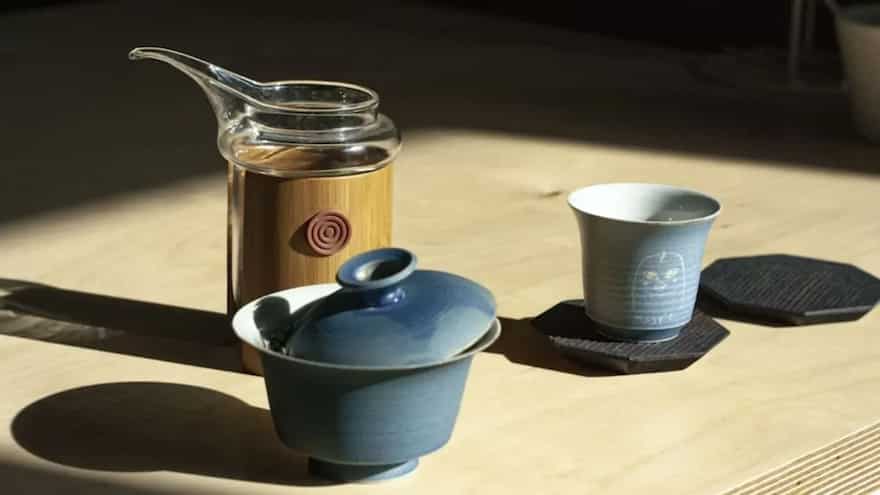
Image Credit: Unsplash
Chinese and Japanese cultures, as well as later Korean tea customs, established their own delicate protocol for handling miniature teacups. You are to raise it with your right hand and hold it with your left. This resulted in the invention of the ‘gaiwan’, an ingenious covered cup for making and consuming tea in China. Three things make up a gaiwan–a saucer to rest the tea on in between sips, a lid to stir and keep it warm and a cup. Tea can be poured into smaller cups for sharing or consumed directly from the gaiwan. The handleless form feels warm but never excessively hot to grip because it is often used with teas made at lower temperatures.
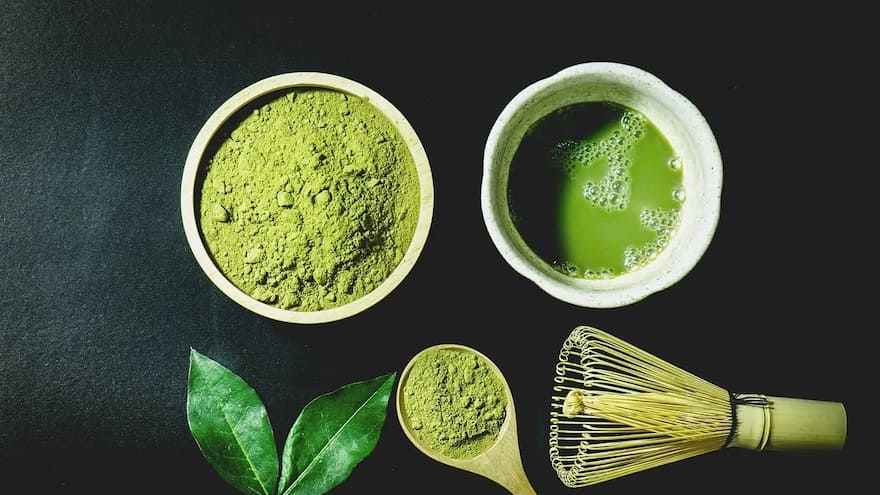
Image Credit: Wikimedia Commons
Western teacups often have handles and saucers and can carry five ounces of tea. On the other hand, tiny Taiwanese cups only hold a sip, while Chinese, Japanese, and Korean cups are smaller, holding only two to four ounces. Small portions of freshly brewed tea are offered in Asia, allowing you to savour the shifting aromas with each pour and keep the tea warm. In order to prevent spills and to show warmth, the Chinese customarily fill a handleless cup just approximately 70% full, leaving the remaining portion ‘filled’ with compassion and affection.




