


 Share
Share

Guru Purnima is one of the most respected events in the Hindu calendar as the day honours the teachers, mentors and spiritual guides. This year, it is being celebrated on July 29, 2026. Across temples and homes, devotees express their thankfulness to their gurus through prayers, performing puja and offering sattvik bhog. Among the many sattivik foods that are prepared on this day, panchamrit holds a special place.
The combination of simple five ingredients, i.e milk, curd, honey, ghee and sugar, is considered to represent purity, nourishment and spirituality. Although it is very easy to make, panchamrit represents centuries of tradition, with each ingredient contributing its own meaning, making the blend far more meaningful than just any regular sweet.
Why Panchamrit Is Believed To Be The Most Revered Guru Purnima Bhog
The word panchamrit is derived from the Sanskrit words 'pancha', which means five, and 'amrit', which refers to the nectar of immortality. Many ancient Hindu scriptures have described panchamrit as an auspicious blend that is often used for abhishekam, performing temple rituals and religious ceremonies.
Rather than for the taste alone, these five ingredients collectively represent purity as well. Here's what each ingredient represents, so that next time you have a glass of panchamrit, you know why it is deemed to be so important.
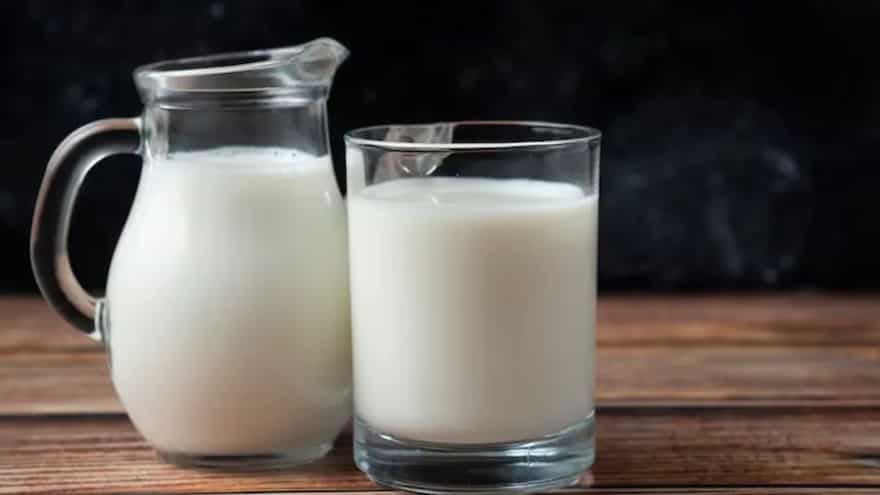
Milk: The Foundation Of Purity
The preparation of panchamrit starts with milk, which has been regarded as one of the purest ingredients in Hindu rituals. It has traditionally been linked with nourishing qualities. Milk is also connected with abundance and well-being, describing why it is widely utilised in all the sacred ceremonies.
Beyond just the symbolic significance, it also adds protein, calcium and important nutrients required by the body, making panchamrit nurturing as well as spiritually important. Fresh cow's milk is often the preferred choice as it is considered sacred, although full-fat milk is also used commonly.
(Credit: Freepik)
Curd: A Reflection Of Growth
Made through the natural fermentation of milk, curd represents growth, patience and transformation. Just like milk slowly changes into curd, a student also evolves through continued learning and studying under the direction of a guru. This symbolism makes curd an essential part of Guru Purnima rituals.
Not only this, but it also gives panchamrit a delicate tang that perfectly balances the sweetness of the other elements while adding beneficial probiotics as well as nutrients.
Honey: The Sweet Add-on
Gathered through the relentless work of numerous bees, honey has long been regarded as a symbol of unity, teamwork and discipline. These qualities jointly reflect the values that gurus promote in their followers. Honey also symbolises gentle lessons and kindness, reminding disciples to add warmth to both their words and actions.
Its natural sweetness binds the flavours of panchamrit together without overpowering the blend. Added in small quantity, honey sweetens the overall balance while letting each ingredient maintain its own character.
Ghee: A Symbol Of Prosperity And Inner Light
Adding a spoonful of ghee offers far more than just richness. In Hindu ceremonies, clarified butter or ghee is closely linked with devotion and spiritual illumination. Ghee is often used to light diyas in temples and offered during sacred rituals as it represents purity.
Within panchamrit, ghee is considered to define the light of wisdom that a guru revives in every student. Though used sparingly, it enhances both the consistency and the deeper spiritual meaning of the overall preparation.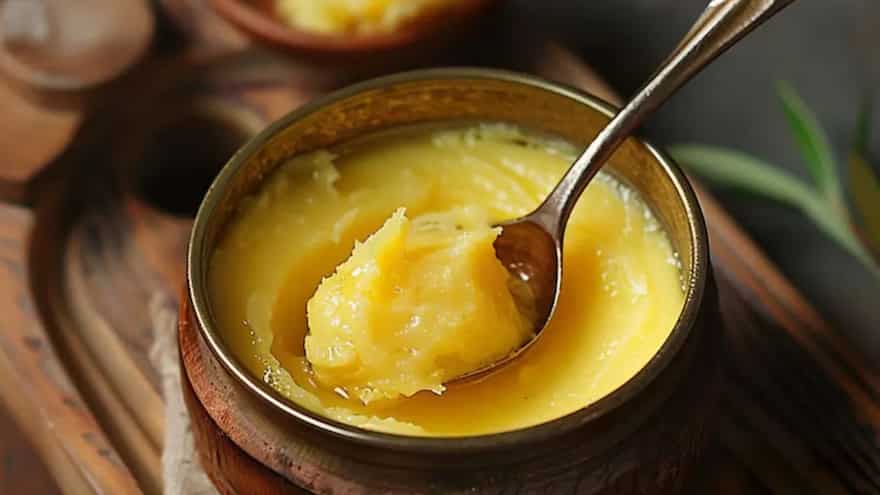
(Credit: Freepik)
Sugar: Completing The Mixture
The final ingredient, i.e. sugar, adds sweetness in both taste and also symbolically. Sugar, or more traditionally mishri (rock sugar), is linked with happiness and joy, with a hope for a life that should be filled with positivity. Across Indian rituals, starting any auspicious occasion with something sweet is considered to invite good luck, making sugar a natural add-on.
While some homes choose mishri for its more classic appeal, others use fine sugar. However, despite the choice, the meaning remains intact: to celebrate the sweetness and gratitude of everyday life.
How To Make Panchamrit?
Here is how you can make simple panchamrit at home with this easy recipe:
Ingredients
- 1 cup full-fat milk
- ½ cup fresh curd
- 2 tablespoons honey
- 1 tablespoon melted ghee
- 2 tablespoons powdered mishri or sugar
- 1 teaspoon chopped almonds (optional)
- 1 teaspoon chopped pistachios (optional)
- A few tulsi leaves (optional, for offering)
Method
- In a clean bowl, pour the milk, add fresh curd and mix nicley so until combined.
- Mix in the honey, then a spoon of melted ghee, and blend everything.
- Add the powdered mishri or sugar, as per preference, and mix until it dissolves fully.
- Garnish with some chopped almonds and a few tulsi leaves if preferred.
- Offer as bhog and serve it in small cups to distribute as prasad.




