


 Share
Share

Gujarati cuisine is a veritable treasure house of snacks, comprising spongy, soft dhokla to crunchy fafda, every bite full of flavour and tradition. But most of these recipes accompany a fair amount of chopping, grinding, and mixing, which can be time-consuming in home kitchens. That's where Usha's food processor comes in — a humble new-age kitchen friend that can trim your prep time by half without shaving off authenticity. By prepping the most time-consuming steps, you can indulge in your favourite Gujarati snacks more frequently, even on weekdays. This is how your food processor can assist you in preparing these delicacies quickly and with less effort.
Flawlessly Uniform Khandvi Batter
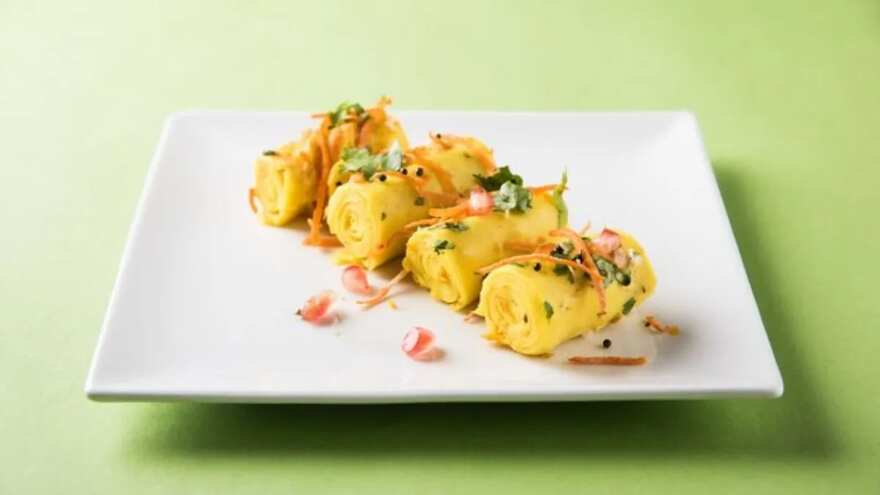
Khandvi, the smooth, savoury rolls of gram flour and yoghurt, need a smooth batter to coat them evenly. The food processor quickly mixes gram flour, yoghurt, turmeric, and seasoning lump-free. Its high-speed mixing also incorporates air into the batter, making it lighter when cooked. Say goodbye to continuous stirring to mix ingredients together flawlessly — pour the batter into a pan to cook, then roll the light sheets easily. The payoff: restaurant-quality khandvi with less hassle and more uniformity in every mouthful.
If you don’t have Usha’s Food Processor, Shop Now  .
.
Handvo with Least Effort
Handvo, the spiced lentil cake baked to perfection, is usually a weekend activity due to its labour-intensive preparation — soaking, grinding, fermenting, and combining vegetables. With a food processor, soaked rice and lentils can be ground into a paste in a jiffy, vegetables such as bottle gourd and carrots can be chopped right into the batter, and even spices can be mixed evenly. Its cutting and blending features turn the dish's multi-step process into an efficient workflow. That way, you can make handvo batter in less than 20 minutes, bake it in the oven, and serve a healthy meal without spending your whole day.
Shrikhand Turned Creamy and Quick
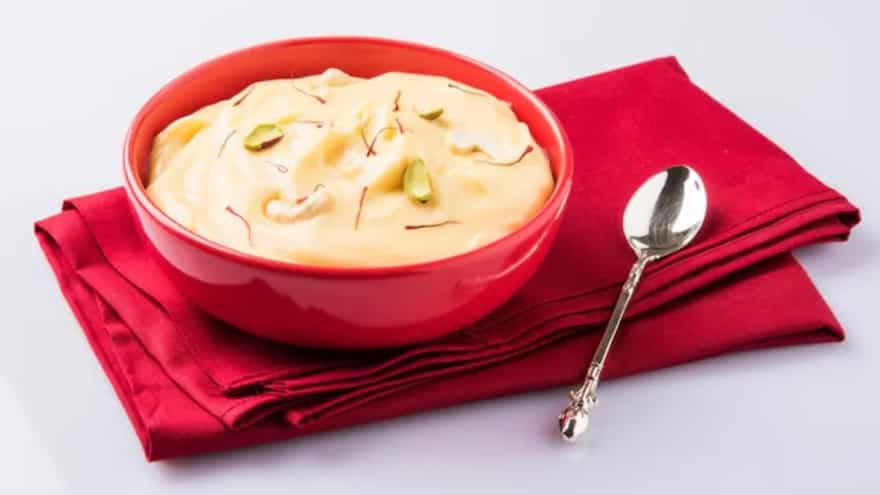
Though shrikhand is a dessert rather than a snack, it is usually served alongside spicy Gujarati spreads. Traditionally, hung curd is hand-beaten to a smooth consistency -- a laborious process. The food processor whips curd to rich creaminess in seconds, adding sugar, saffron, cardamom, and nuts easily. It comes out smooth and lump-free, ready to refrigerate and serve. This time-saving trick is particularly useful when serving guests, allowing you to concentrate on the main snacks while still finishing off the meal with a decadent sweet.
Quick Fafda Dough
Fafda is best served with jalebi, particularly during Indian festivals, but hand-kneading the hard dough becomes exhausting. Grinding gram flour, ajwain, turmeric, and oil in a food processor with a dough blade can be done within minutes. The dough gets kneaded evenly by the machine so that the dough remains elastic but not too soft — ideal for rolling into thin strips. Even grinding makes the fafda crispy without breaking when cooked. And the time you save on kneading can be put to use in making tangy chutneys or that essential papaya sambharo to round off the platter.
Dhokla Batter in Minutes
Dhokla is a common Gujarati dish, but making the batter the old-fashioned way requires soaking, grinding, and beating — all manually. With a food processor, you can grind soaked rice and dal to the ideal smooth-but-grainy consistency in minutes. Its regular grinding makes sure the batter ferments uniformly, providing you with that spongy softness typical of siddhi dhoklas. You can even pulse gram flour, yoghurt, and spices together for a ready khaman dhokla mixture. By saving time on manual whisking, you can go directly to steaming and have fresh dhokla without the long preparation, typically making it an occasional food.





