


 Share
Share

Most home cooks view a kitchen grinder simply as a tool to make large ingredients smaller. The reality is that the exact grinding method you choose alters the chemical structure of your spices and herbs. When you crush a cardamom pod or a piece of ginger, you break its cell walls and release volatile oils. A fine powder exposes more surface area and releases these oils immediately into your dish. A coarse blend releases flavour much more slowly as it cooks. Understanding this simple science helps you build better meals. The Usha mixer grinder allows you to experiment with various textures and speeds. You can completely change the character of a familiar recipe simply by adjusting how you process the base ingredients.
The Difference Between Coarse And Fine Spices
The physical size of a ground spice dictates how quickly its flavour spreads through a sauce. Taking cumin or coriander seeds down to an ultra fine powder means their oils mix into your food instantly. This is ideal for quick cooking recipes where you want a smooth and uniform taste. Leaving those same seeds with a coarse and slightly gritty texture provides sudden bursts of intense flavour when you bite into them. Coarse spice blends work exceptionally well as dry rubs for roasted vegetables or meats because the larger pieces hold up to high heat without burning as quickly as a fine dust would.

Image credit: Pexels
If you don’t have Usha’s Mixer Grinder, Shop Now  .
.
How Wet Grinding Creates Balanced Curries
Adding liquid to your grinding jar does more than just help the blades spin smoothly. Wet grinding fresh aromatics like ginger, garlic and onions creates an emulsion. The high speed blades force the natural oils of these ingredients to bind with the water you add. This process mellows out the sharp and raw bite of the garlic and onions. The resulting smooth paste cooks down evenly in hot oil and forms a thick and cohesive base for rich curries. If you were to simply chop these ingredients by hand, you would end up with a watery sauce that lacks deep and unified flavour.

Image credit: Unsplash
Heat Generation And Protecting Delicate Aromatics
The friction from metal blades spinning at high speeds naturally generates heat inside the jar. This gentle heat is highly beneficial when you are dry grinding tough whole spices because it helps awaken their dormant oils. This same heat can completely ruin delicate fresh ingredients. Soft herbs like fresh coriander or mint can turn dark and deeply bitter if they are over processed in a hot jar. You must use the pulse function in short bursts when working with delicate herbs. This careful method prevents the temperature from rising and preserves the bright grassy notes of the greens.
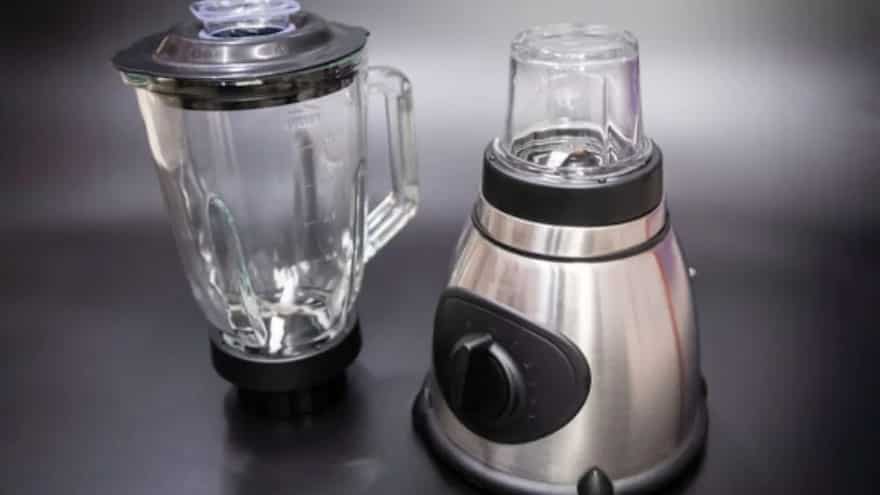
Image credit: Adobe Stock
Why The Order Of Grinding Matters
Throwing every single ingredient into the jar at the exact same time often leads to an unbalanced flavour profile. Hard spices take much longer to break down than soft herbs or wet aromatics. If you process everything together, you will likely overwork the softer ingredients while waiting for the tough spices to turn into a powder. You must grind your dry whole spices first until they reach your desired texture. Adding your wet ingredients like tomatoes or onions only after the spices are fully ground ensures every component retains its optimal flavour without turning into a bitter sludge.

Image credit: Adobe Stock
Pulse Function For Nut Based Thickeners
Nuts and seeds are packed with natural fats that behave very differently depending on how you process them. Many regional gravies rely on ground cashews or almonds to provide a rich and creamy thickness. If you run the grinder on a continuous high speed, the blades will force the nuts to release their oils rapidly. This turns them into a heavy and sticky paste. Using the pulse setting to create a dry and coarse crumb instead allows you to toast the nuts lightly in your pan before they melt into the gravy. Controlling this fat release gives your final dish a much lighter and more pleasant mouthfeel.




