


 Share
Share

Few kitchen moments are more heartbreaking than lifting the lid of a hot bubbling gravy at the very final minute, tasting it, only to realise it is too salty. Dinner is almost ready, people are waiting on the dining table, rotis are puffing on the flame, and suddenly panic steps into the kitchen. Adding water feels risky, starting over again feels unthinkable, and the fear of wasting hours of effort overlooks large. But salty gravies do not have to be culinary disasters. Indian kitchens have always relied on intuition, balance, and quick fixes rather than strict laws.
From simple ingredients that you already have in your kitchen to small tweaks that gently pull the flavours back into balance, there are ways to save your dish without dulling its richness. These quick, practical tricks are just not about masking mistakes; they are about repairing comfort, confidence, and control when cooking feels like it is falling away.
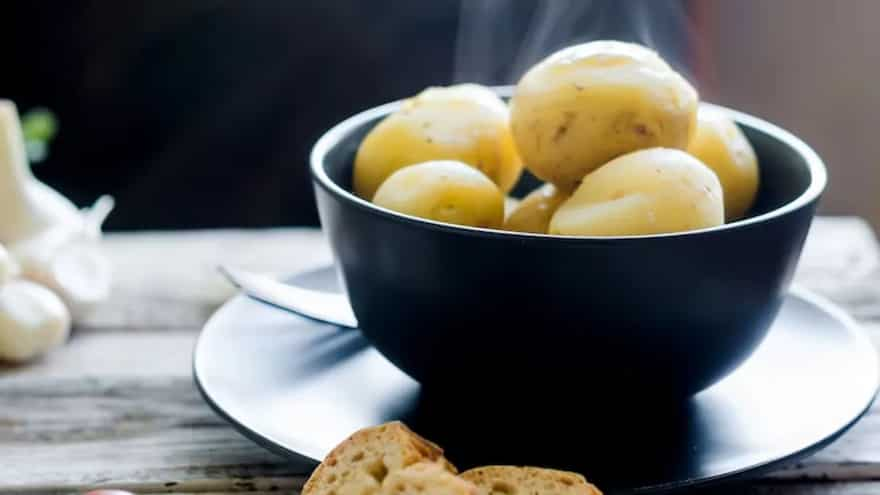
Add A Boiled Potato
Adding a peeled, boiled potato to a salty gravy works calmly but quite effectively. Let it boil for about 8 to 10 minutes, and it will soak up extra salt without changing the flavour. Just keep in mind to remove it before serving. This trick works best for onion-based curries, dals, and tomato gravies where you do not wish to dull the richness. The potato does not magically remove salt, but it balances the gravy sufficiently to make every bite pleasant again.
(Image credit: Freepik)
Balance With Dairy, Not Water
When a gravy turns salty, adding water will only spread the problem. Instead, add some cream, milk, coconut milk, or fresh malai to the gravy. Dairy softens the sharp saltiness while improving the texture and mouthfeel. Paneer or chicken curry that has turned salty instantly feels luxurious again with the addition of a few spoonfuls of cream. The fat covers the palate, mellowing the taste of salt instead of fighting it, making the dish feel intentional and nothing like “fixed.”
Squeeze A Lemon
A squeeze of lemon juice, a splash of vinegar, or even some chopped tomatoes can deviate saltiness by adding brightness. Acid distracts the palate from the excess salt and restores the balance. This works perfectly in tomato gravies, chole, rajma, and Indo-Chinese sauces. The key is moderation, add a little by little and not all at once. When it is done right, the dish does not taste sour; it feels alive again, with salt no longer dominating the flavour.

(Image credit: Freepik)
Double the Base, Not The Seasoning
If you have time, cook a quick unsalted version of the same base and mix it into the salty one. This is the most sure fix for the large quantities. Restaurants and hotels use this trick all the time. It maintains flavour goodness while evenly mixing the salt. The result tastes willful, not patched-up, and your spice balance remains unchanged instead of being watered down.
Add Sweetness With A Desi Touch
A pinch of sugar, jaggery, honey, or even some blended dates can soften the saltiness without making the gravy overly sweet. Sweetness balances salt at a sensory level. This works out well for butter masala, sambhar, or even tomato-based curries. One tiny pinch can turn “too salty” into a “perfectly balanced” meal.

(Image credit: Freepik)




