Share


Ask an American what Thanksgiving is about and you will get two answers, turkey and family, possibly followed by a third, football. The holiday goes back to the autumn of 1621, when English settlers at Plymouth, Massachusetts, sat down to a harvest meal with their Wampanoag neighbours. Nobody thought to call it Thanksgiving. Colonies and states then picked their own days of thanks until a determined magazine editor, Sarah Josepha Hale, wrote letter after letter to anyone with power. Abraham Lincoln finally listened in 1863 and declared a national day of thanks, right in the middle of the Civil War. After a squabble over dates, Congress settled it in 1941: the fourth Thursday of November. This year, that is Thursday, 26 November.
How Goa Gives Thanks
Goa has never needed an act of Congress to tell it when to be grateful. Here, giving thanks is a habit that turns up all year: when the first rice is cut in August, when a baby is christened, when a new house gets its first visitors, when a son or daughter comes home from abroad. Faith usually opens the occasion, with a Mass or a sung litany called the Ladainha, and then the neighbours are fed. The fourth Thursday of November is a newer guest, and Goa has happily pulled up a chair for it.
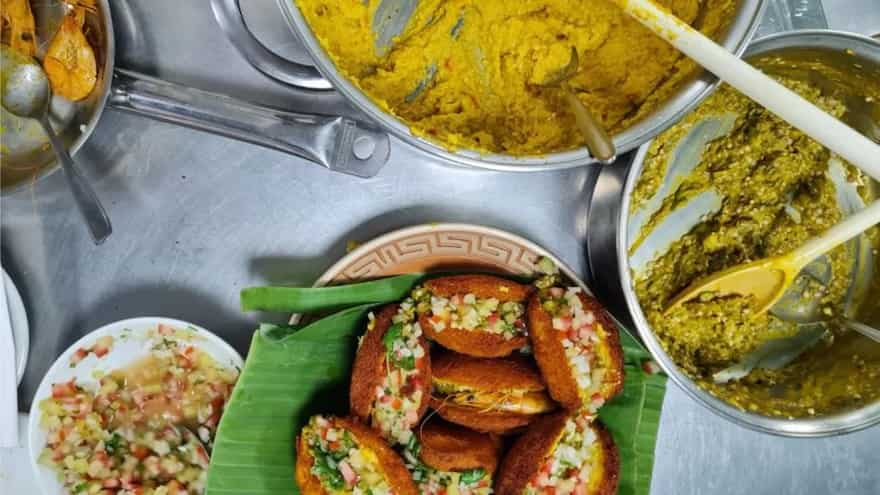
Image credit: Pexels
Where Turkey Fits On The Goan Table
Turkey in Goa is a late arrival with a growing fan club. It first came for visitors who could not picture Christmas without it, and Goan families soon began ordering birds of their own. A whole roast suckling pig is a great deal of pig for a small family, so roast turkey and roast chicken, quicker to cook and easier to carve, have taken its seat in plenty of homes. A Goan roast tends to taste of Goa, though, with masala in the rub and a tang of vinegar in the marinade that would surprise a Pilgrim. Other families will not hear of a turkey and stick firmly to roast pork, sorpotel and vindaloo. Both camps can be found on the same street.
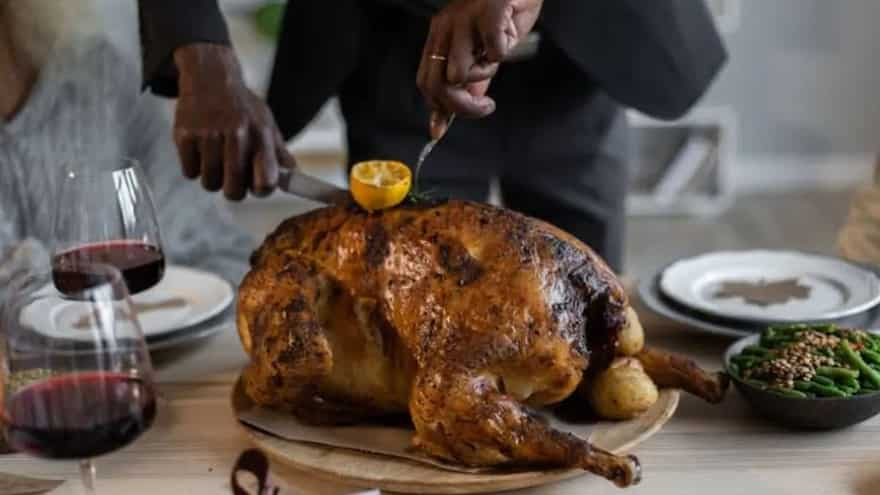 Image credit: Pexels
Coconut-Dressed Chickpeas: The Original Goan Thank You
Long before roasts and gravies, there was a bowl of chickpeas. At family thanksgivings and village feasts, the classic offering after the prayers was boiled gram: kabuli chana soaked overnight, boiled soft, salted and tossed with slivers of fresh coconut. It cost next to nothing, fed a crowd and never needed a recipe card. At the Holy Cross feast in Cavelossim, children roast coconut kernels while their elders sing in Latin, then wait, with heroic patience, for the final hymn before they are allowed to eat them.
Sannas: The Rice Cakes Worth Waiting Overnight For
Sannas teach the most useful virtue in a Goan kitchen, which is planning ahead. Rice is soaked, ground with fresh coconut and toddy, the sap of the coconut palm, sweetened with a little sugar and then left alone overnight. Toddy brings its own wild yeast, so by morning the batter is fizzing with tiny bubbles. Poured into moulds and steamed, traditionally in a copper vessel called a compro, the batter puffs into soft, faintly sweet cakes. Red ukde rice was the old favourite; white rice has largely taken over. Hindu kitchens make their own version raised with urad dal, and godachem sanna hides a filling of coconut and jaggery for the sweet-toothed.
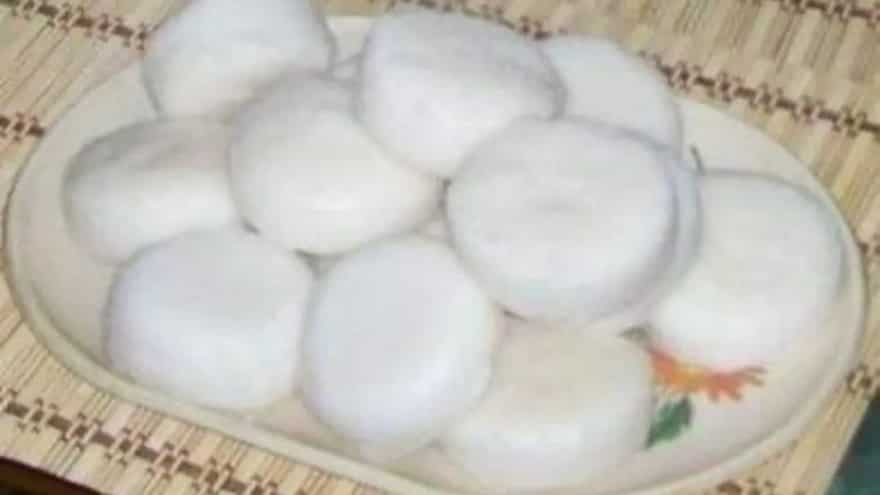 Image credit: Wikimedia Commons
Xacuti: The Curry That Starts In A Hot Pan
If sannas are the patient guest, xacuti is the one making an entrance. Its masala of grated coconut, onion, white poppy seeds and dried red chillies is roasted in a pan before anything is ground, and the smell has a way of pulling people into the kitchen. Chicken is the classic, though crab, lamb, beef, fish and even mushrooms take their turn. Catholic, Hindu and Muslim kitchens each have their own version, and the story of where it began depends on who is telling it. Tear a warm sanna in half, drag it through the gravy, and the debate can wait.
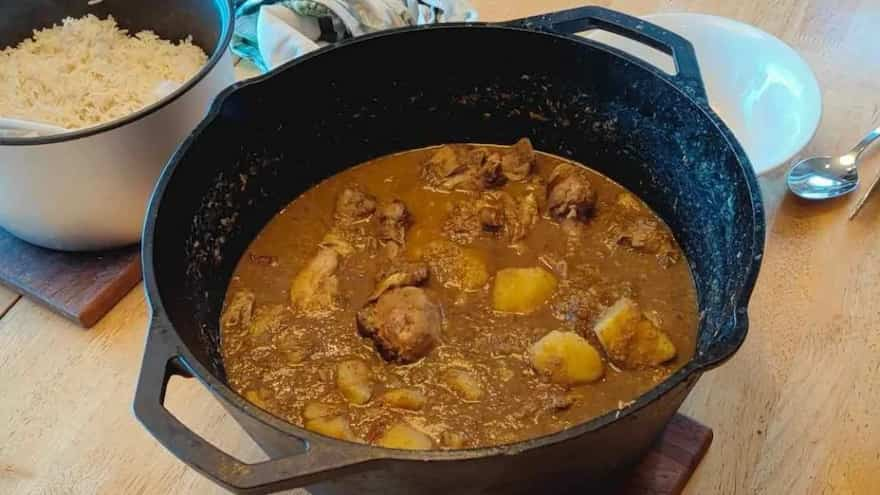 Image credit: Wikimedia Commons
Harvest Feasts And The Taste Of New Rice
Goa's oldest thanksgiving is for rice. Every August, villages celebrate Konsachem Fest, or Novidade, by offering the first sheaves of paddy. Hindus take theirs to their deities, Catholics to their saints, and the blessed paddy travels home to the kitchen. In Taleigao, gauncar families take turns as hosts, the feast president cuts the first sheaves with a silver sickle, beaten rice called fov is shared out, and the whole affair ends with a lunch of more courses than anyone sensible would attempt. Where the harvest feast falls on 15 August, patoleo steal the show: rice flour, coconut and palm jaggery folded into turmeric leaves and steamed until the house smells of them. In Maina Curtorim, the Holy Cross feast of Handi Khuris has thanked the fields with pork, beef, fish, pumpkin and a sweet atol.
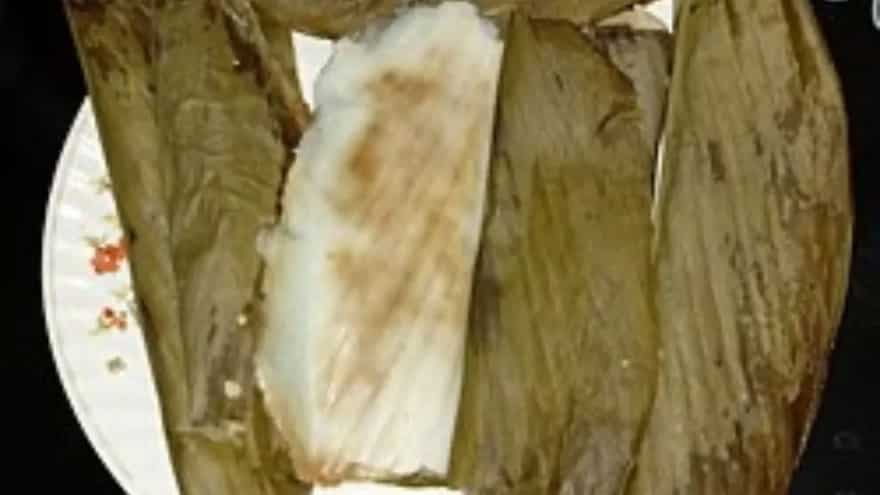 Image credit: Wikimedia Commons
Nine Evenings, Nine Kitchens: Feeding The Village Together
Goan villages worked out long ago that feeding everyone is easier when the job is shared. In May, when the Holy Cross feast comes around, the singing runs for nine evenings, and each one is hosted by a different family or committee. One evening might bring chickpeas and coconut, another chewda and cake, and on the feast day itself some hosts go all out with meat stew, xacuti and pulao. When the Saibinn, the statue of Our Lady that travels from home to home, came to stay, boiled gram was once enough. Then hosts began to outdo one another, and parish priests stepped in to ask for something simpler.
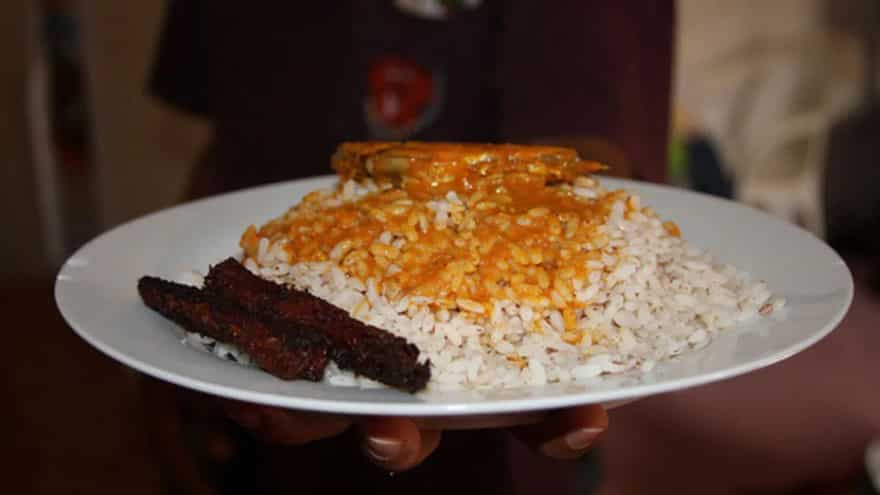 Image credit: Wikimedia Commons
The Food That Follows Goans Abroad
Wherever Goans settle, sorpotel and sannas seem to travel in the same suitcase. At community festivals in Toronto, the queues form for sorpotel, sannas and choris pao, and in New York, St Francis Xavier's feast has been celebrated with sorpotel and sannas sharing the table with paella and lo mein. Back home, that feast falls on 3 December, and around Thanksgiving the stalls at Old Goa fill with roasted gram, peanuts and choris pao for pilgrims arriving for the novena.
 Image credit: Wikimedia Commons
Setting A Goan Thanksgiving Table At Home
Roast a turkey Goan style, or skip it and let a pork roast take the centre. Soak the chickpeas tonight and dress them with coconut tomorrow. Get the sanna batter going before bed. Roast the xacuti masala slowly and open a window. Put out chewda for the early arrivals and hide a bebinca for later. Then follow the one rule Goan hosts seem to agree on: cook more than you need, and send nobody home empty-handed.