Share
Share

The term ‘gluten-free’ has gained attention as more people are now aware of gluten-related conditions, with more dietary sensitivities and the need to check food labels carefully. It has also become more visible on packaged foods, restaurant menus and health-focused diets, making gluten-free choices much simpler to identify than before.
However, knowing the label does not always mean knowing what it actually signifies. Gluten is not a type of sugar, fat or preservative, but it is a group of proteins that is naturally found in some grains, especially wheat, barley and rye.
A mithai’s name or appearance cannot tell you whether it contains gluten. The recipe, individual ingredients, and even the way the sweet is prepared and handled can affect whether it is suitable for someone avoiding gluten. In India, a food can be labelled “gluten-free” only when its analysed gluten content is below 20 mg/kg, according to FSSAI standards.
For packaged mithai, this makes the gluten-free claim more meaningful than simply seeing a recipe made with rice flour or besan. For loose sweets, where such a claim or detailed ingredient information may not be available, these are the key things that you can check:
Start With The Flour, Not The Name
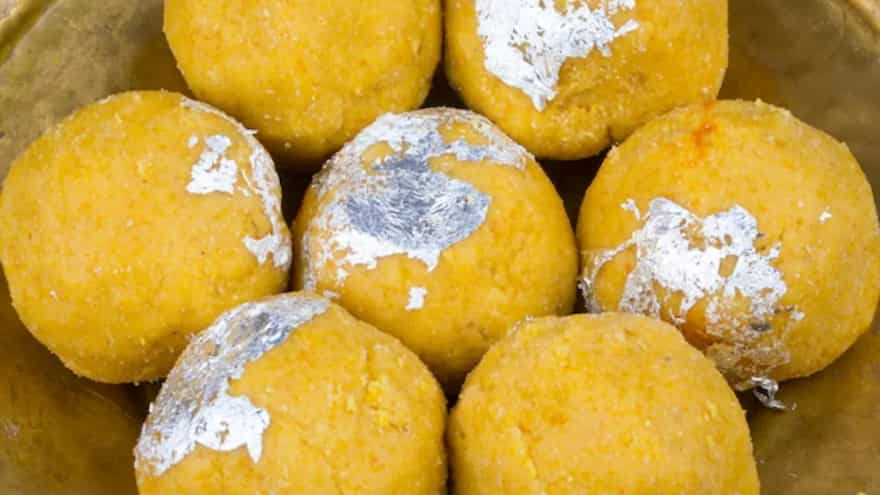
The first thing to look for is the flour or grain that is used in the mithai. Besan, rice flour, corn flour, ragi, jowar, bajra and amaranth do not naturally have gluten, whereas wheat flour, maida, semolina or sooji do. This distinction is important because familiar names can be tricky. If you are buying packaged mithai, check the ingredient list rather than just depending on words like ‘traditional’, ‘desi’ or ‘grain-based ’. If you are buying loose sweets, ask the shopkeeper whether the recipe has wheat, barley, rye or any other gluten-containing ingredients, especially if you need to avoid gluten.
(Image credit: Freepik)
Watch For Wheat-Based Ingredients Hiding In The Recipe
Some sweets are clearly made with wheat, like atta ladoo, while others may contain wheat-based ingredients without it being obvious from the name. Sooji halwa, for instance, is made with semolina, while maida may be used in the dough or coating of some fried sweets like gujiya. This is why checking only the main ingredient can be tricky. If you need to avoid gluten, ask what grain-based ingredients are used in the recipe, and look for wheat, barley or rye wherever an ingredient list is available.
Do Not Assume Every Besan Or Rice-Based Sweet Is Safe
Besan and rice flour do not naturally have gluten, which makes them suitable bases for gluten-free sweets. However, ‘made with besan’ or ‘made with rice flour’ is not the same as ‘gluten-free’. A besan ladoo may be made in the same kadai used for a wheat-based sweet, or scooped onto a tray where crumbs from an atta or maida preparation are already set. The same concern applies to rice-flour modaks that are handled with utensils used for maida-based sweets. This is known as cross-contact, and even small amounts of gluten can be crucial for people who have coeliac disease, as it can trigger the immune system.
Ask About Cross-Contact At The Sweet Shop
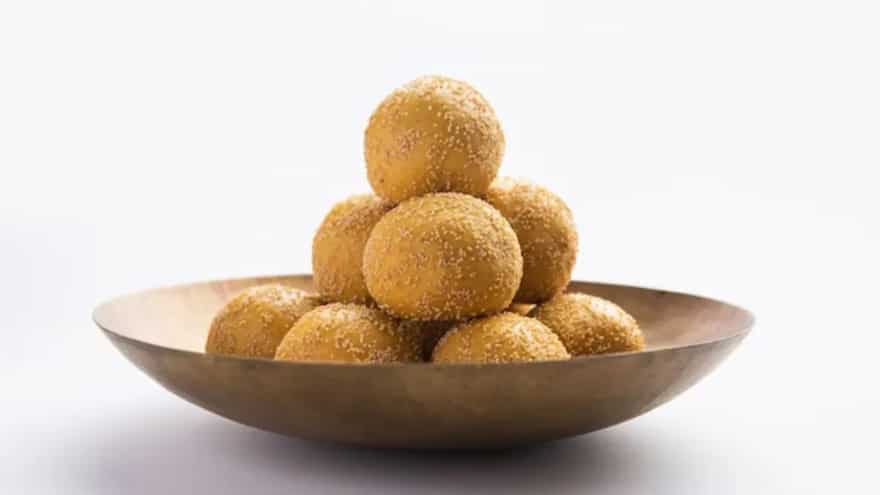
For someone who has to strictly avoid gluten, knowing the ingredients is only half the assessment. Cross-contact can happen when gluten-free food comes into contact with gluten-containing ingredients, utensils, trays or even the preparation surfaces. At a mithai shop, this could happen when the same counter is used to shape different sweets; crumbs from wheat-based preparations fall into another batch during preparation.
(Image credit: Freepik)
Treat ‘Gluten-Free’ As A Specific Claim
The words ‘gluten-free’ address one specific concern: whether the food meets the required limit for gluten. They do not indicate how much sugar, fat or calories a mithai has, nor do they automatically make the sweet a healthier choice. A gluten-free ladoo can still be high in sugar and fat, just like any other mithai.
If you are buying packaged sweets, look for a clear gluten-free declaration and read the ingredient and allergen information rather than assuming that a product is appropriate because it has nuts, milk or millet.