


 Share
Share

Gluten is a type of protein that occurs naturally in grains like wheat, maida, semolina, and barley. When you add water to atta and knead it into dough, gluten gives it stretch and strength. It helps the dough hold shape and makes rotis puff up nicely on the tawa.
Some people can’t digest gluten properly. A few are diagnosed with conditions like celiac disease, while others may experience heaviness or bloating after eating gluten-rich foods. Many are now making the switch to flours that don’t contain gluten.
This shift is not modern. Our older generations were already eating many grains that are naturally free from gluten. Grains like bajra, jowar, ragi, rice, and rajgira have been part of Indian cooking for a long time. People in villages, small towns, and hilly areas have continued to use these even today.
Rotis made with these flours need a little practice, because they don’t behave like wheat dough. The gluten-free doughs are more delicate, but they can still be shaped and cooked with a little care. Once you get used to the process, they become just as quick to make as regular wheat rotis.
Here are five gluten-free Indian rotis that you can try at home. Each uses a different flour and works well with regular Indian meals.
Bajra Roti (Pearl Millet Roti)
Bajra is a dark millet that is commonly eaten in Gujarat and Rajasthan. It has a deep, earthy flavour and leaves you feeling full for a long time. The flour is usually soft and fine, and it mixes well with warm water to form a pliable dough. You can add a pinch of salt to the bajra flour before kneading if you prefer a little extra taste. Use warm water, pouring in a little at a time, and mix until it becomes soft and smooth. Once the dough is ready, take a small ball and press it between your palms. Shape it with your fingers or roll it gently using dry flour if needed. Place the roti on a hot tawa, wait for one side to cook, then flip and press the edges lightly. After cooking both sides, apply ghee if you like, and serve it hot with sabzi or garlic chutney.

Jowar Roti (Sorghum Roti)
Jowar flour makes a light, soft roti that is easy on the stomach. It is often eaten in Maharashtra and Karnataka, especially in summer. Jowar roti dough comes together when the flour is mixed with hot water, not boiling but warm enough to help it bind. Add salt to the flour first, then pour in the hot water in small amounts, using a spoon to mix in the beginning and your hands once it cools slightly. When the dough is smooth, roll a portion into a ball and flatten it carefully with your fingers or with a rolling pin using dry flour to help with shaping. Cook the roti on a hot tawa, flipping it when the base firms up. Press gently with a spatula to help it cook through. You’ll see brown spots forming when it’s done. Jowar rotis are best served hot and pair well with dal, vegetable curry, or curd.
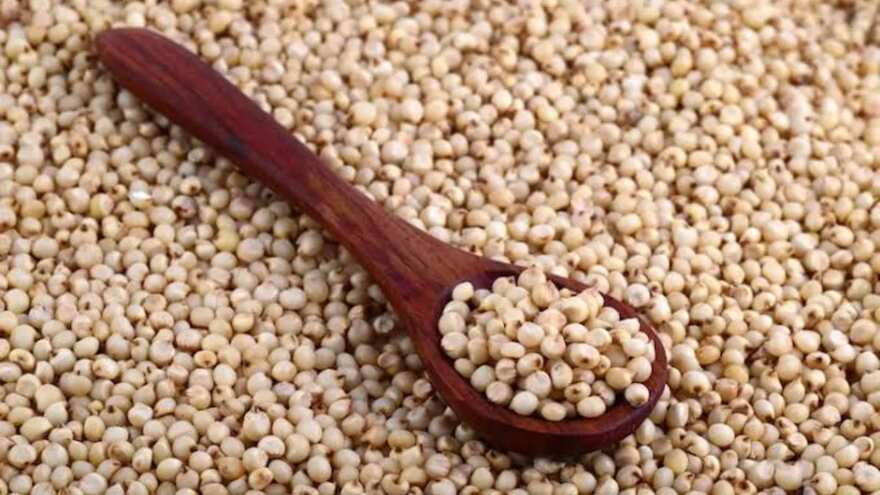
Ragi Roti (Finger Millet Roti)
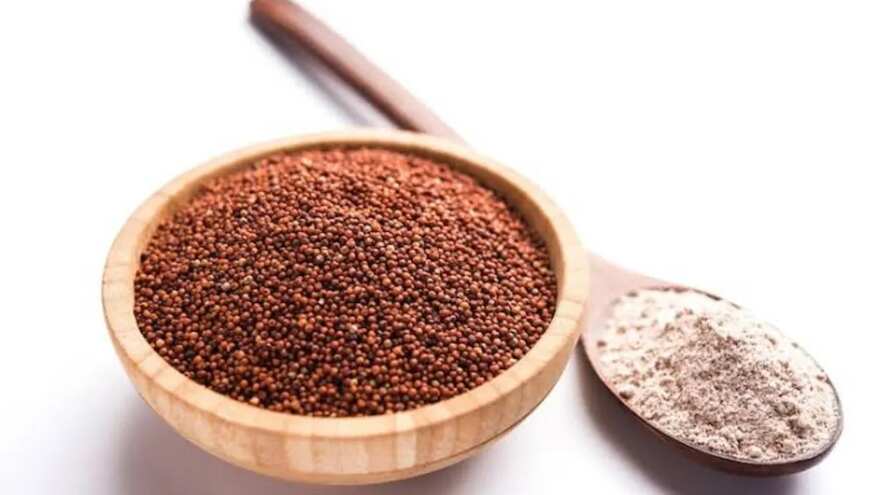
Ragi is rich in iron and fibre, and its flour has a slightly coarse feel and a deep colour. In South India, it is often used for making wholesome rotis. To prepare the dough, take ragi flour and mix in salt as per taste. You can also add chopped onions, curry leaves, green chillies, or even grated coconut if you want to add more flavour and texture. Add warm water slowly and knead until the dough feels soft but firm enough to shape. Instead of rolling, the dough is usually patted flat using the palm on a clean banana leaf, foil, or a sheet of plastic. Once shaped, place the leaf or foil face down on a hot tawa and wait for a few seconds before lifting it off gently. Flip the roti and cook the other side evenly. You can add ghee or butter once it’s off the tawa. Ragi rotis are best eaten hot and go well with coconut chutney or a light sabzi.
Rice Flour Roti (Chawal Ke Aate Ki Roti)
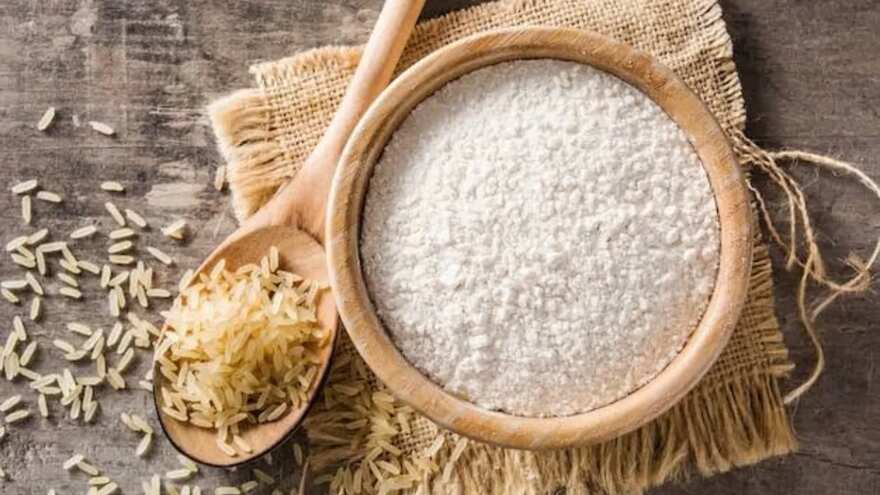
Rice flour makes a very soft and light roti that is often eaten in coastal areas. It works well for those who need something easy to digest. To make this roti, bring one cup of water to a boil and add a pinch of salt. As the water boils, add one cup of rice flour all at once and stir it quickly with a spoon. The mixture will form a thick lump. Turn off the heat and let it cool down a little before kneading it with your hands into a smooth dough. Take small portions of the dough, roll them using dry rice flour, and shape them into rotis. Place each one on a hot tawa and flip once the surface dries. These rotis can puff up slightly if pressed gently with a cloth or spatula. Serve them warm with coconut-based curries, simple dals, or dry sabzis.
Amaranth Roti (Rajgira Roti)
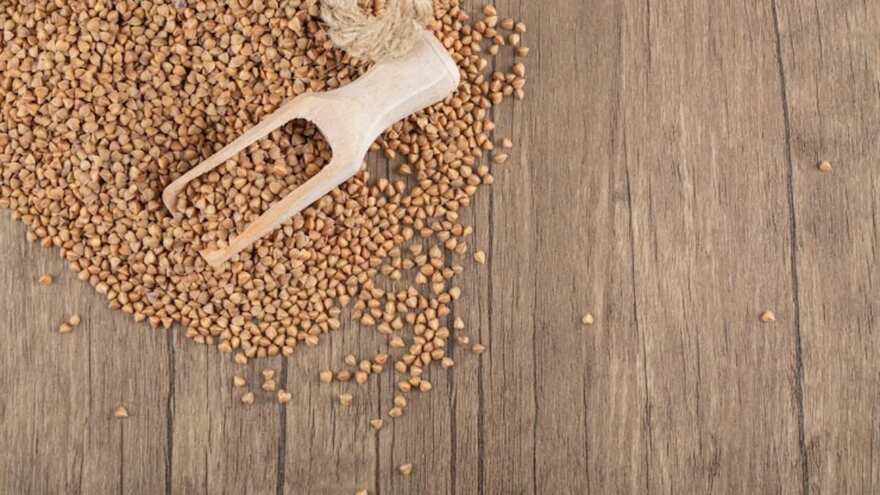
Rajgira flour, made from amaranth seeds, is usually eaten during fasting days, but it is just as good on regular days. It is rich in calcium and has a mild, nutty taste. The flour does not hold together on its own very well, so many people mix it with mashed potatoes to help it bind. To make the dough, take one cup of rajgira flour and add a small boiled and mashed potato, along with a pinch of salt. Add warm water slowly and knead the mixture until it becomes soft and workable. Make small balls and flatten them gently with your hands or roll them lightly using dry flour. Place the roti on a hot tawa and let it cook for a minute on one side, then flip and cook the other side. Press the edges lightly to help it cook evenly. Serve this roti warm with curd, chutney, or a simple vegetable dish.
Rotis made without wheat behave differently from atta rotis. The dough may feel delicate, and the texture can vary depending on the flour. But with time and a little practice, these rotis become easy to shape and cook. Each one brings a different taste and feeling to your plate. Some keep you warm, some feel cool, and some are good for days when the stomach needs a break.
Indian homes already have all the grains needed to make these. There’s no need for fancy flour mixes or special blenders. Just warm water, a little patience, and your usual tawa are enough. You can eat these rotis with the same vegetables, dals, and pickles you already enjoy.
Try one roti at a time and find out what works for your meals. These recipes are simple, but they carry the comfort and memory of everyday Indian food.




