


 Share
Share

The arrival of summer in India is marked by many things: the relentless heat, the hum of desert coolers, and the sweet relief of evening breezes. However, for most households, the true harbinger of the season is the annual ritual of pickle making. This is a time when balconies and terraces transform into a mosaic of glass jars and white sheets covered in spiced fruit. Mango pickles, or Aam ka Achar, are more than just a condiment; they are a culinary heritage passed down through generations. Making them is a lesson in patience, precision, and the science of preservation.
Selecting The Perfect Mango
The foundation of a great pickle lies in the choice of the fruit. Not every mango is meant for the jar. For most Indian pickles, you require raw mangoes that are extremely firm, tart, and fibrous. In the northern regions, the Ramkela variety is the gold standard because of its high acid content and ability to retain its shape even after months of soaking in oil. In the south, farmers often look for the Rasapuri or specific wild varieties that offer a sharp tang. When selecting mangoes, ensure they are deep green and have no soft spots. The stone inside should ideally be well formed but not yet woody, as this allows for easier cutting while providing the necessary structural integrity. If the mango yields even slightly to pressure, it has begun to ripen and will result in a mushy pickle that spoils quickly.
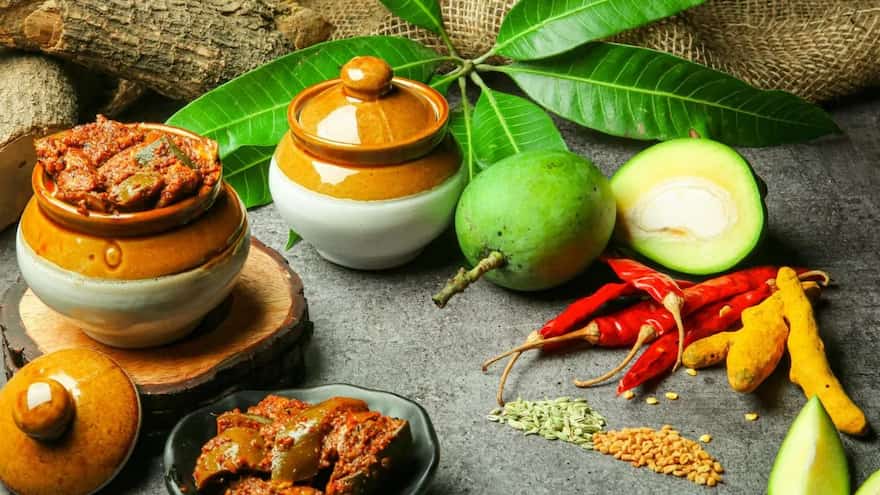
Image credit: Unsplash
Regional Variants And How To Make Them
India is a vast land, and the way one region preserves its mangoes differs significantly from another. These variations are driven by the local climate and the types of oils and spices available.
North Indian Aam ka Achar
In Northern India, particularly in Uttar Pradesh and Punjab, mustard oil is the lifeblood of the pickle. The flavour profile is robust and earthy, dominated by fennel seeds, nigella seeds, and turmeric. This style of pickle is often sun dried until the skins become slightly leathery, allowing the mustard oil to penetrate deep into the flesh.
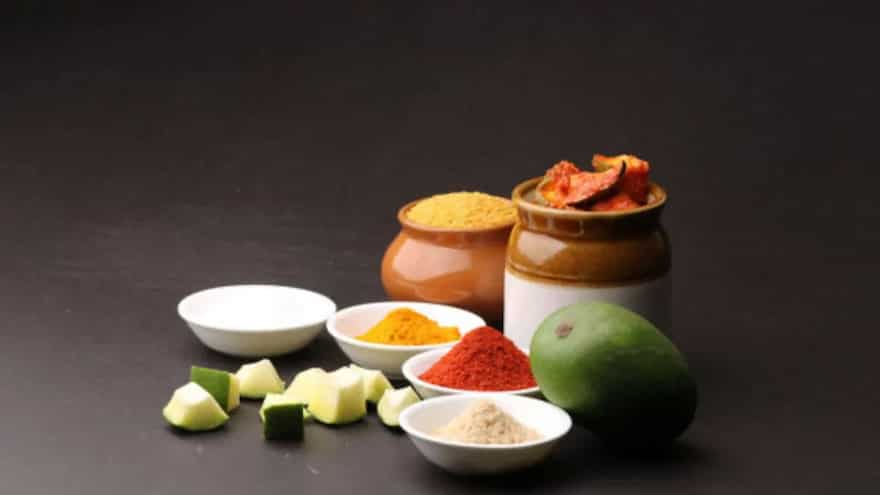
Image credit: Adobe Stock
How to make it at home:
Begin by washing and thoroughly drying two kilograms of raw mangoes. Cut them into medium cubes and toss them with four tablespoons of salt and two tablespoons of turmeric. Leave this in a jar for twenty four hours to release excess water. Drain the liquid and spread the pieces on a clean cloth under the sun for four to five hours until they feel dry to the touch but still pliable. In a large bowl, mix the mangoes with a spice blend of fennel seeds, nigella seeds, split mustard seeds, and red chilli powder. Heat a litre of mustard oil until it smokes, then let it cool completely. Pour a portion of the oil over the spiced mangoes, mix well, and pack into a jar. Top up with the remaining oil after two days, ensuring the fruit is fully submerged.
Andhra Avakaya
Moving towards the South, the heat levels escalate. The famous Avakaya from Andhra Pradesh is a masterclass in balance. It uses cold pressed sesame oil, which provides a nutty base for the fiery heat of Guntur chillies. This version is prized for its longevity and its signature grainy texture.
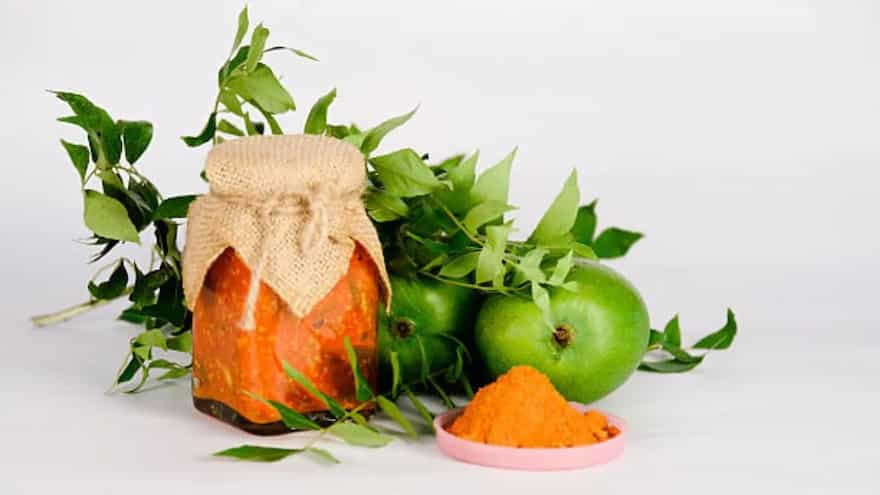
Image credit: Pexels
How to make it at home:
Select large, sour mangoes and cut them so that a portion of the inner hard shell remains attached to each piece. This is crucial for the authentic texture. Wipe each piece with a dry cloth to ensure zero moisture. Mix equal parts of fine mustard powder, salt, and spicy red chilli powder. In a large vessel, coat the mango pieces in sesame oil first, then dredge them in the spice mixture. Pack the pieces tightly into a ceramic jar and pour in more sesame oil. Let it sit in a cool corner for three days. On the fourth day, stir with a dry wooden spoon and check the oil levels. The mixture should be thick and dark red.
Kerala Kadumanga
Kerala brings a different approach with Kadumanga, an instant mango pickle that is a staple at weddings and feasts. Unlike the sun dried versions, this is often made with tender, baby mangoes or finely diced raw mangoes. It is fresh, crunchy, and intensely aromatic.
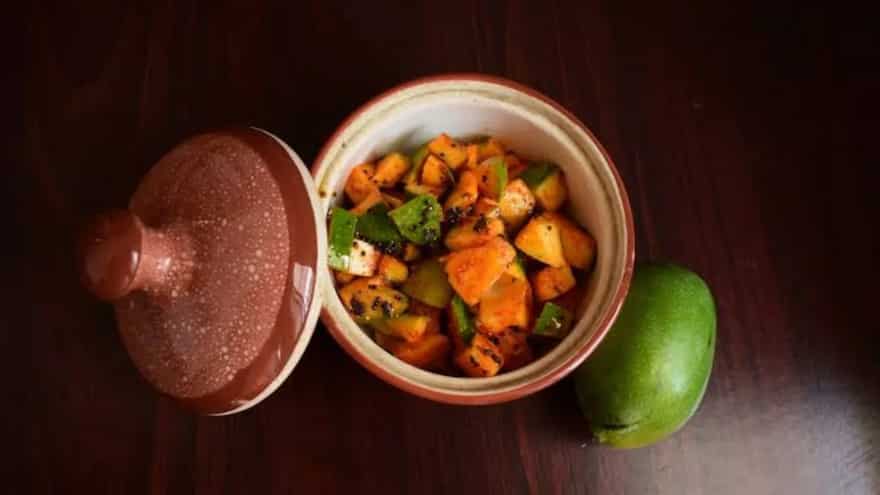
Image credit: Adobe Stock
How to make it at home:
Finely dice raw mangoes into very small cubes, keeping the skin on for crunch. Toss the cubes with plenty of salt and let them sit for two hours. For the tempering, heat sesame oil or coconut oil in a pan. Add mustard seeds, dried red chillies, and a generous amount of curry leaves. Add a pinch of hing and a tablespoon of red chilli powder on low heat to avoid burning. Immediately pour this hot tempering over the salted mangoes. Add a splash of vinegar if you intend to keep it for more than a week. The result is a vibrant, glossy pickle that can be eaten almost immediately.
Gujarati Chunda
In Western India, specifically Gujarat, the Chunda reigns supreme. This is a sweet and sour delight where grated mangoes are preserved using sugar or jaggery. The traditional method relies entirely on solar heat to create a thick, honey like syrup.
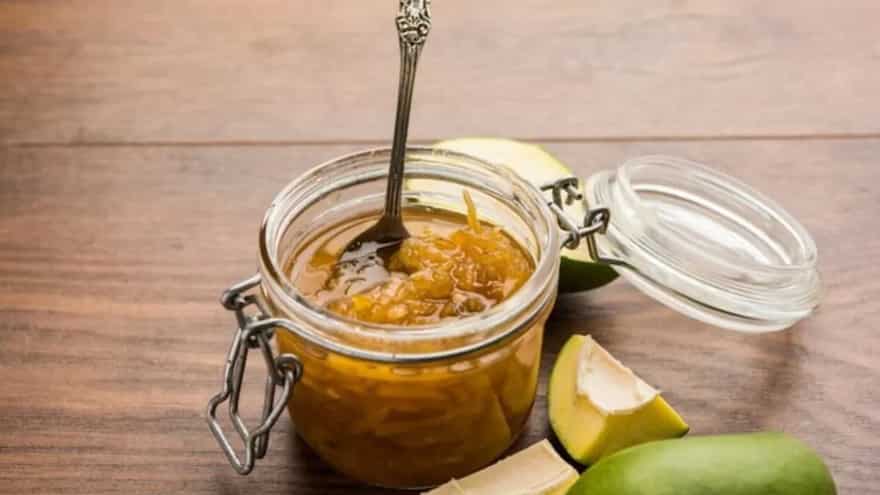
Image credit: Freepik
How to make it at home:
Grate raw mangoes coarsely and mix with an equal weight of sugar and a tablespoon of salt. Place this mixture in a glass jar and cover the mouth with a thin muslin cloth. Keep the jar in direct sunlight for ten to twelve days, bringing it inside every evening. Stir it once a day. Once the sugar has completely dissolved and the syrup reaches a one thread consistency, add roasted cumin powder and red chilli powder. This pickle is virtually evergreen and acts as a perfect accompaniment to thepla or parathas.
The Essential Technique Of Sun Drying
Sun drying is perhaps the most critical step in the traditional pickling process. It is not merely about drying the fruit; it is about moisture management. Moisture is the primary enemy of any preserve. When mangoes are cut, they are initially tossed in salt and turmeric. This process, known as osmosis, draws out the internal water from the fruit. The salted mangoes are then spread out on clean cloths under the direct summer sun. This accomplishes two things: it reduces the water activity level so that bacteria cannot thrive, and it concentrates the flavours. In regions with high humidity, this step may take two to three days. The goal is to reach a stage where the mango pieces are pliable but no longer feel damp to the touch. If you skip this or rush it, the remaining water will eventually react with the spices and oil, leading to the growth of white mould.
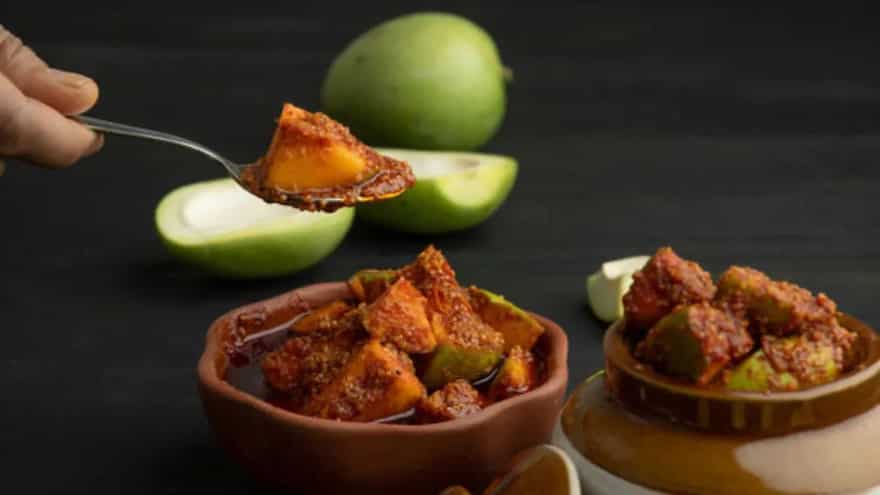
Image credit: Adobe Stock
Crafting The Spice Blend
The spices used in Indian pickles do double duty as flavouring agents and preservatives. Turmeric is a natural antiseptic. Salt acts as a primary preservative by inhibiting microbial growth. Red chilli powder provides heat and also acts as a deterrent for spoilage. Beyond these, the aromatics define the regional character. Fenugreek seeds add a hint of bitterness and help thicken the pickling liquid. Fennel seeds provide a cooling sweetness. Hing, or asafoetida, is crucial for its umami depth and digestive properties. In many households, the spices are lightly roasted and coarsely ground just before mixing to ensure the essential oils are potent and fresh.
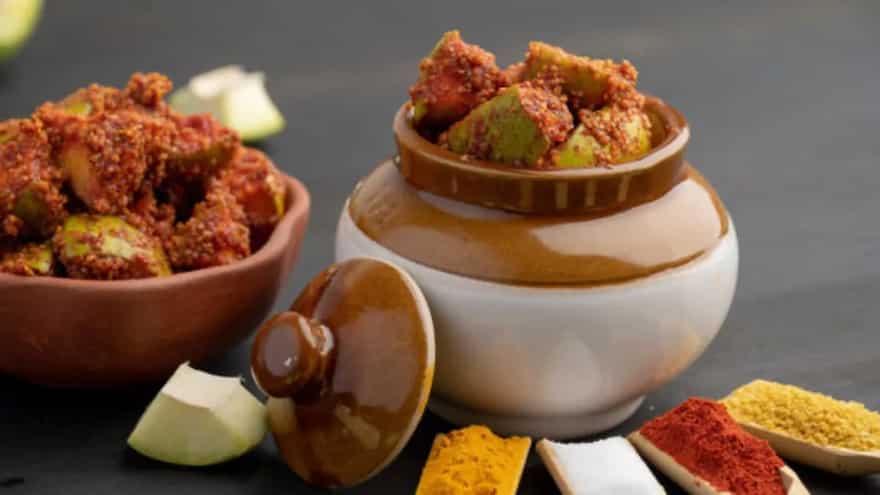
Image credit: Adobe Stock
Storage And Longevity Tips
Once the mangoes are spiced and jarred, the work is not yet over. Proper storage is the difference between a pickle that lasts two months and one that lasts two years. First, the choice of container is vital. Traditional ceramic jars, known as Martabans, are ideal because they maintain a stable internal temperature. Glass jars are a good modern alternative. Plastic should be avoided at all costs, as the acid in the mangoes and the strength of the spices can leach chemicals from the container.
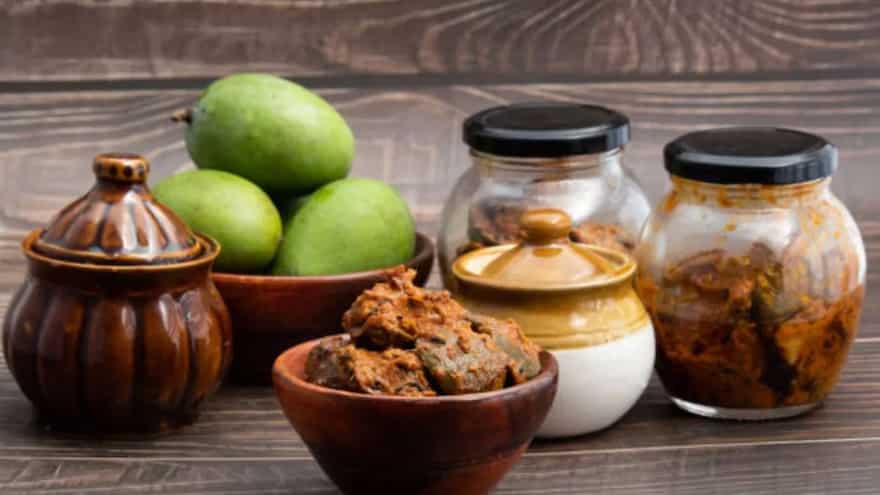
Image credit: Pexels
The most important rule of storage is the oil seal. The mango pieces must be completely submerged in oil. Any piece poking out into the air is a potential site for spoilage. Mustard oil is often heated to its smoking point and then cooled before being added to the jar; this removes any residual moisture and mellows the raw pungency of the oil. Finally, hygiene is paramount. Always use a dry, sterilised spoon to take out the pickle. Even a single drop of water introduced into the jar can ruin the entire batch. It is a common practice in Indian homes to keep a small jar for daily use and leave the main large jar undisturbed in a cool, dark place.




