


 Share
Share

Vadodara’s food map is crowded with tea-stall favourites and snacks that Barodians recognise by taste, texture and the everyday rituals that surround them. Two of the city’s most intimate snacks: lilo chevdo and sev usal, have been put forward as candidates for Geographical Indication (GI) recognition in a paper presented recently at an intellectual-property conference. The argument is not only legal but cultural: these are recipes and ways of making that, advocates say, belong to Baroda as much as its museums and palaces.
What Are These Dishes?
Lilo chevdo is a moist, herb-forward variant of the broader Gujarati chevdo family. Unlike the drier, more aggressively spiced chevdo that travels well in packets, the Baroda version is known for a softer mouthfeel, a judicious use of fresh coriander and sometimes small shredded potato flakes or lentils mixed with jaggery, raisins or dry fruit to create a slightly sweet-savoury balance. Local makers and legacy shops in Vadodara have sold versions of lilo chevdo for decades, treating its texture and spice mix as trade secrets handed down in kitchens and small factories.

Image credit: Gujarat Tourism
Sev usal is the city’s signature ragda-and-sev street dish: a steaming, mildly spiced white-pea (or ragda) curry topped with crunchy sev, chopped onion, coriander, lemon and chutneys. In Vadodara the balance favoured by vendors: the thickness of the ragda, the tang of the chutney, the crunch of the sev, gives the dish its local identity. Ready-to-eat versions and packaged renditions try to reproduce that combination, but vendors and diners insist the authentic experience lives in the market lanes and food stalls of Mandvi, Fatehgunj and old city.
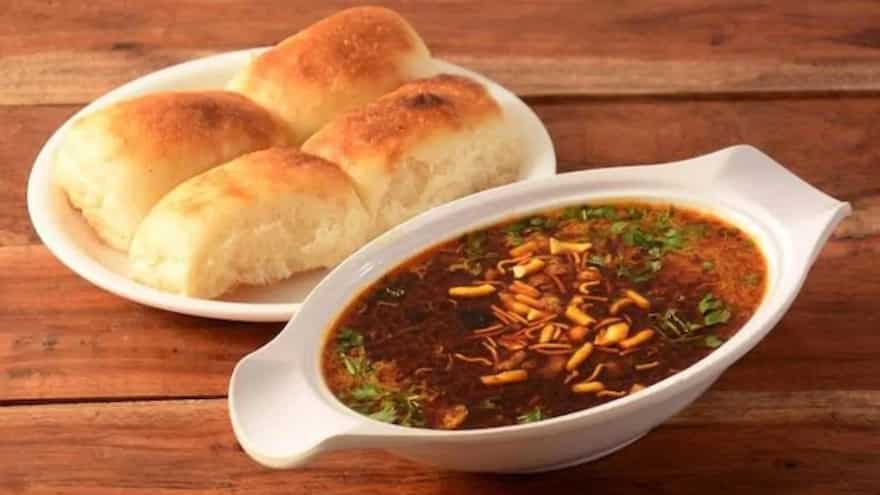
Image credit: Freepik
Why Push For A GI Tag?
A Geographical Indication (GI) is meant to protect a product whose characteristics are essentially linked to a place; whether through raw material, traditional know-how, or a long-established reputation. For modest but culturally resonant foods like lilo chevdo and sev usal, GI recognition would do three practical things: it would legally restrict the use of the name to producers from the designated region who follow an approved standard; it could help local producers add value and secure better markets; and it can act as a conservation tool, encouraging custodianship of recipes and production practices that might otherwise be lost to industrial standardisation. India already recognises hundreds of GIs across handicraft, agricultural and food categories; proponents argue it is time Gujarat’s urban snacks were similarly protected.
The Presentation From MSU: The Case Made In Public
The recent call for GI recognition came into the public eye after a research paper titled “Vadodara’s Potential as Custodian of Cultural Heritage through Geographical Indications: Preserving Tradition in a Globalized World” was presented at an international conference on intellectual property hosted by IIT Bombay. The paper was authored and presented by Umang Modi, an assistant professor at the Faculty of Law, Maharaja Sayajirao University (MSU), Baroda. Modi’s presentation combined legal analysis of the GI regime with field research into the snacks’ local production, oral histories from makers, and comparisons with similar products elsewhere, and with that evidence he argued that both lilo chevdo and sev usal meet the typical GI criteria of reputation, distinctiveness and link with place. The conference appearance also drew attention from IP and food-innovation experts, who noted both the legal merits and the practical challenges of a food GI for an urban street snack.
Modi highlighted two useful points for the GI argument: first, the localised recipe and preparation, for instance, the coriander-intense, softer mouthfeel of Baroda’s lilo chevdo, and second, the social embedding of these snacks in the city’s habits (morning tea rituals, festival gifting, station kiosks). He also pointed out historical attempts and obstacles: a private manufacturer reportedly tried to pursue a GI for lilo chevdo in 2020 but withdrew the application, illustrating both interest and the complexity of proving “origin-linked” uniqueness for foods that have parallel versions elsewhere.
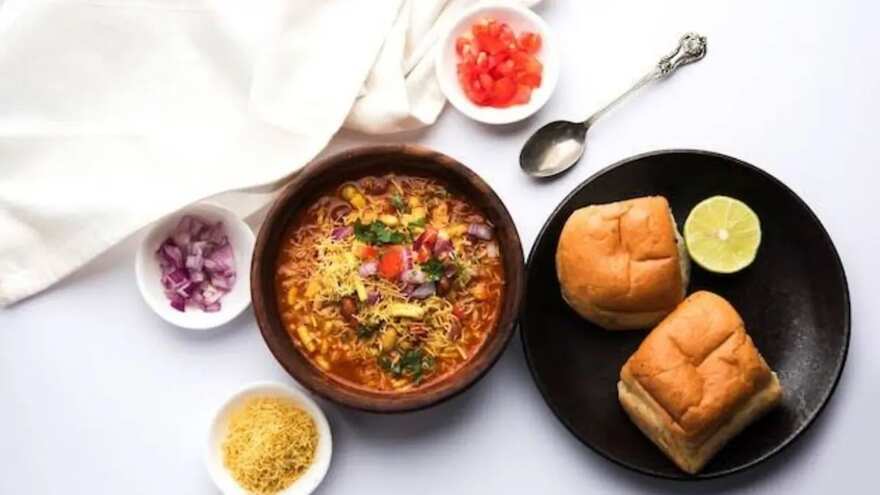
Image credit: Freepik
Practical Hurdles And Cultural Benefits
There are obvious complications. GI protection requires detailed product specifications, a clear geographical delimitation, and a representative producers’ group willing to enforce standards. For street foods prepared by many small vendors and by home cooks, those steps demand organisation, trust and funding. There is also the philosophical question of whether everyday, widely replicated snacks should be subject to restrictive legal protection or preserved through other cultural policies.
Yet there are benefits beyond IP law: a GI could raise the profile of Vadodara’s culinary identity, help small producers secure better prices, and attract culinary tourism. Gujarat’s registered GIs so far have tended to be handicrafts or agricultural products, Sankheda furniture is among the best-known GI registrations linked to the Vadodara region, and proponents see food GIs as an overdue step to acknowledge living culinary practices as heritage.
What Happens Next?
If local scholars, vendors and civic bodies want to press this forward they will need to draft a specification (what exactly counts as “lilo chevdo, Vadodara” vs. other chevdo), form an association of authorised producers, gather historical and production evidence, and file with the Geographical Indications Registry. The process is bureaucratic but not impossible: other Indian foods with street origins have won GI recognition after sustained local campaigns.
Vadodara’s case rests on an argument that is both legal and sentimental: that everyday snacks tell a city’s story as much as monuments do, and that taste, when skilfully tied to place and people, can be worth protecting. The MSU paper has put the argument in public; whether cooks, vendors, officials and consumers take it forward will determine if these two humble snacks become legally recognised markers of Baroda’s culinary map.




