


 Share
Share

WE’VE ALL BEEN THERE. A rogue meal, an iffy pani puri stall, or a mystery tummy bug that turns your day upside down. But what do we really mean when we say “I’ve got food poisoning” or “I caught gastro”? Are they the same thing? Not quite — but they often feel identical when you’re hunched over and miserable.
Here’s a down-to-earth guide based on research by Dr Vincent Ho, a clinical gastroenterologist and academic at Western Sydney University, who breaks down the difference in plain terms.
Gastro 101: Not Just a Travel Bug
Gastroenteritis, or “gastro” as it’s often called, is when your gut lining becomes inflamed thanks to an invading microbe — usually a virus or bacterium. It could be from food, but it might just as easily come from a surface someone sick has touched, a contaminated tap, or skipping that post-loo handwash.
Viral gastro is especially common — the kind that sweeps through a school or office in no time. You might start feeling the effects a day or two after exposure, with a whirlwind of vomiting, cramps, and loose motions. Most cases clear up in 48 hours, but those hours can be rough.
Food Poisoning: A Fast and Nasty Surprise
Food poisoning, on the other hand, is a type of gastro that you get from contaminated food. The culprit? Sometimes it’s harmful bacteria. Sometimes it’s their sneaky little toxins. And occasionally, it’s chemicals like methanol or insecticides, or naturally toxic ingredients like certain wild mushrooms or fish.

Unlike viral gastro, food poisoning tends to hit fast. As quick as 30 minutes after eating. Undercooked meat, improperly stored leftovers, or that chicken sandwich you left out too long — any of these can be the trigger. Think of it like a missile attack on your gut lining. Fortunately, symptoms usually ease within 24 hours.
That said, some types of bacterial food poisoning, like those caused by Listeria, are late bloomers — taking up to 70 days to show symptoms! So yes, your gut may be reacting to something you barely remember eating.
How to Tell Which One’s Got You
While the symptoms — vomiting, diarrhoea, tummy cramps, nausea, fever — are often the same, the difference lies in how fast they show up.
- Food poisoning: Usually strikes within hours of eating contaminated food.
- Viral gastro: Takes a day or more after exposure to kick in.
That said, there are no hard rules. What matters more is how you care for yourself.

What You Can Do: First Aid for Your Gut
Whether it’s a dodgy dabba or a viral visitor, your best first move is to stay hydrated.
Sip on water, nimbu pani, or an oral rehydration solution (ORS). You can even make your own: 1 litre water + 6 tsp sugar + ½ tsp salt + ½ tsp baking soda and add a dash of squash or sharbat for flavour.
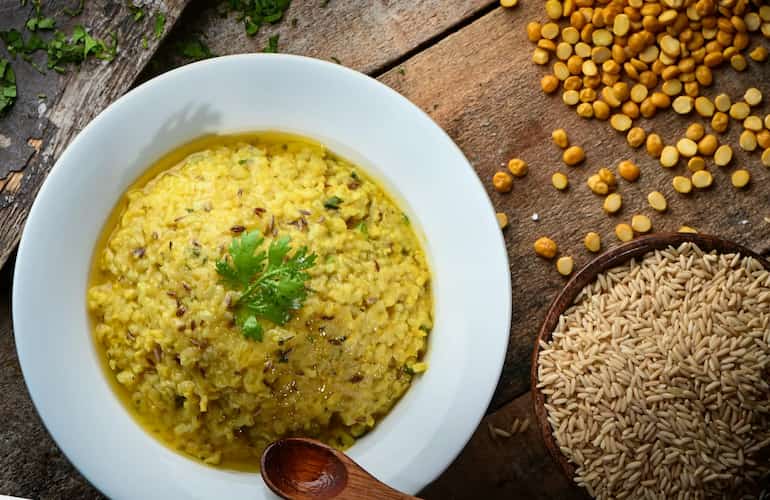
Avoid oily or spicy food. Stick to light, easy-on-the-tummy fare like curd rice, khichdi, or plain toast.
And if things get too intense or don’t ease up in a couple of days, see a doctor. Don’t wait.
Prevention Is Better Than Cure
Here’s how to keep those nasty gut guests out of your life:
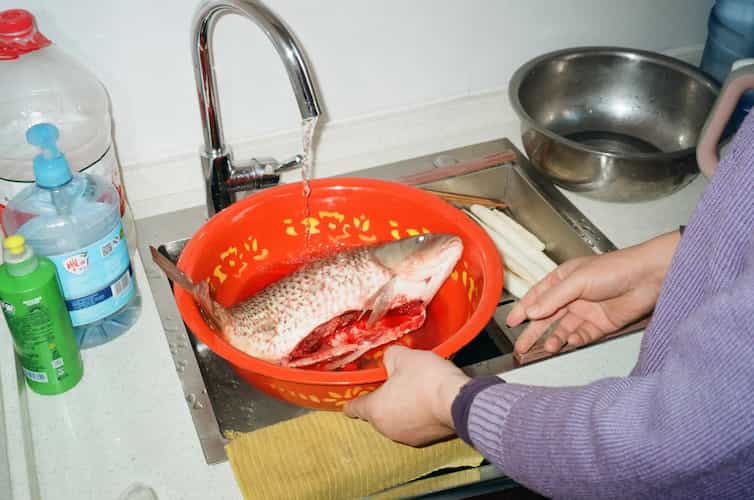
Wash hands thoroughly — especially before cooking or eating
Use separate chopping boards for meat and veg
Cook meats through and through — no rare mutton adventures at home!
Store leftovers in the fridge (and not for more than 1-2 days)
Disinfect surfaces thoroughly if someone in the house has been sick
And yes, that includes after cleaning up vomit or soiled clothes — gloves on, bleach out.
A Note for Indian Kitchens
While the study comes from Australia, the rules apply just as much here — whether you’re eating fish curry in Kochi, rajma chawal in Delhi, or street-style momos in Gangtok. India’s diversity of ingredients, temperatures, and handling methods means our kitchens can be high-risk zones — and also places of great care and love.
So the next time you’re packing a tiffin or ordering that butter chicken, just spare a thought for safe food practices. Your gut will thank you.
Adapted from an article by Dr Vincent Ho, Associate Professor and Clinical Academic Gastroenterologist at Western Sydney University, originally published on The Conversation.




