


 Share
Share

Food packaging plays a very important role in modern society but its environmental impact is becoming harsher and harsher with every passing day as they form a large part of industrial and municipal waste. Paper, glass, metal, and plastic are the base materials used in modern-day packaging. But did you know the impact on your health is tenfold, especially when newspapers are used for wrapping food and consuming it? The Food & Standards Safety Authority directed every food vendor and company to stop using newspapers for the same.
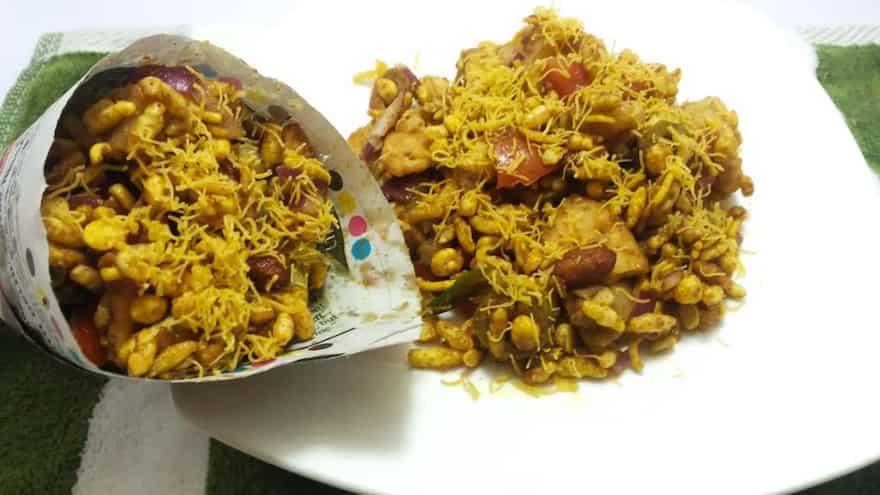
Image Credit: Wikimedia Commons
The warning by FSSAI was given after a vada pav seller was allegedly seen using newspapers to bundle food products. Following the incident, FSSAI and the Brihanmumbai Municipal Corporation (BMC) took action against the seller and increased awareness efforts about safe food packing methods. So what are these new rules by FSSAI, and what do you, as a consumer, need to know about it?
What Did The FSSAI Say About Food Packaging That Uses Newspapers?
According to the FSSAI, newspaper ink includes hazardous chemicals such as lead, heavy metals, and chemical colours, which can be transferred to food through direct contact. Regular eating of food tainted with such substances may result in major health problems over time.
The food safety agency also observed that newspapers are frequently handled, transported, and kept in unsanitary settings, which raises the risk of contamination and foodborne disease. FSSAI reiterated the requirements of the Food Safety and Standards (Packaging) Regulations, 2018, stating that newspapers, recycled paper, and other non-approved materials are absolutely forbidden for food storage, wrapping, or serving.
The authority has recommended street food sellers, restaurants, caterers, cloud kitchens, and other food establishments to use only certified food-grade packing materials. Consumers have also been advised to exercise caution and avoid purchasing food wrapped in newspapers.
Why Is Newspaper Packaging Harmful For Consumers?
Many Indians have grown up seeing food wrapped in a newspaper, whether it's samosas from a roadside stand or pakoras from home. The habit was passed down through generations since it was inexpensive, handy, and easily accessible. So, why is India's food authority advising people to keep newspapers away from food?
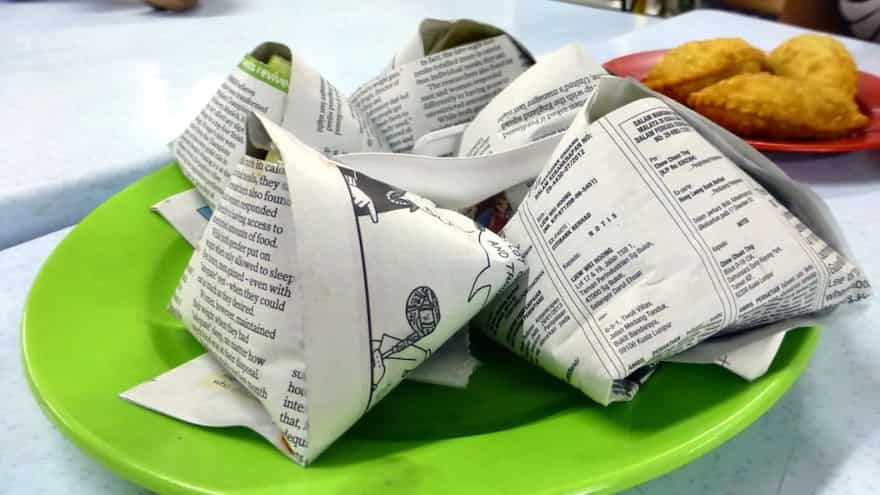
Image Credit: Flickr
Newspaper ink includes chemicals, pigments, binders, and colourants that might be harmful if consumed. Printing inks may include lead and other heavy metals, which can seep into food and cause long-term health issues. Newspapers can carry hazardous germs due to their exposure to dust, filth, and unclean conditions during printing, transit, and distribution.
When food is put directly on a newspaper, some of these compounds may migrate from the paper to the meal. This procedure is referred to as migration. Scientists have been researching this topic for years. One important worry is the presence of mineral oils in printing inks. As per the journal Letters In Applied NanoBio Science, the research revealed that these chemicals may transfer from paper to food, particularly when there is direct contact.
Newspapers may also retain residues of the chemicals used in printing and paper manufacturing. The risk increases since newspapers are not made to food-grade standards. Unlike food-grade packing materials, they have not been tested to ensure that toxins do not transfer to what people consume. This implies that a food service owner should not use newspapers to wrap snacks, serve meals, cover ingredients, or absorb excess oil from fried items. In practice, however, compliance has frequently been tough since the behaviour is strongly ingrained among small merchants and buyers alike.




