


 Share
Share

Packaged drinking water is one of the most commonly bought products that is purchased during everyday commutes, trips or just for comfort. As it's consumed straight from the bottle without any further treatment, maintaining its safety is essential.
In the same light, the Food Safety and Standards Authority of India (FSSAI) has now categorised packaged drinking water and mineral water under the 'high-risk food' category. The move introduces more rigorous regulatory checks for factories, including improved inspections and adherence requirements, to maintain quality.
While the information may sound alarming, it is not just a warning against drinking bottled water. Rather, it represents the regulator's emphasis on assuring that the safety standards are met. For customers, it acts as a reminder that spending a few moments to review the bottle and its label can help you make a safe buy.
Why Has FSSAI Changed The Category?
The decision made by the food authority is aimed at improving the management of products that are consumed as they are, i.e., directly. Unlike food that is cooked thoroughly before eating, packaged drinking water reaches the customers directly from the factory.
By putting packaged drinking water into the high-risk category, FSSAI can subject manufacturers to stricter licensing requirements, required inspections, regular audits and closer regulatory monitoring. The goal is to maintain quality control throughout production and also at the time of distribution, guaranteeing that consumers have access to water that invariably meets prescribed safety standards.
5 Things To Check Before Buying Packaged Drinking Water
Here are a few checkpoints to take a glance at while buying bottled water:
Check If The Bottle Is Properly Sealed
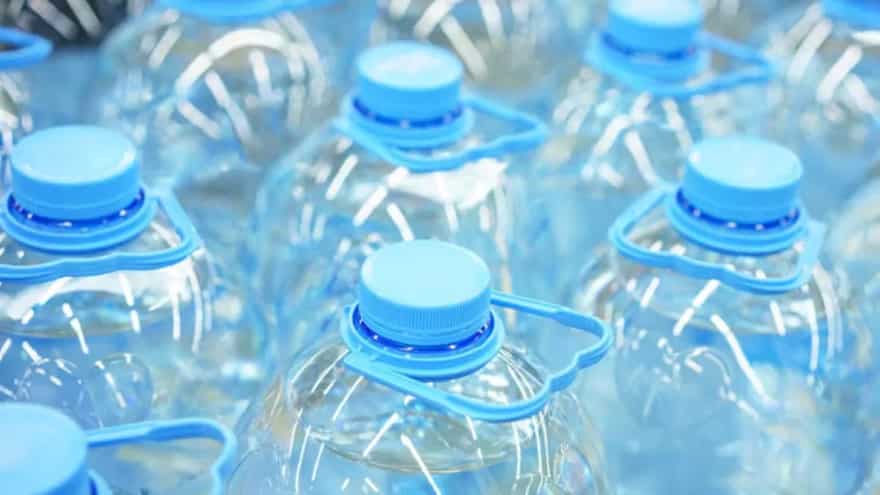
Before buying a bottle of packaged drinking water, carefully look at the cap. The ring beneath the cap should be securely attached and should not be broken or loose. If the seal at all appears to be damaged or the cap is twisted, it is better to avoid it.
An unbroken seal is one of the easiest indicators to know that the bottle has not been fiddled with after leaving the factory. It also helps ensure that the water has been protected from any external contamination during transport, storage, and display.
(Image credit: Freepik)
Read The Label Carefully
The label has important details that help confirm the authenticity and traceability of the product. FSSAI suggests consumers look for the FSSAI licence number, date of manufacturing, expiry or best-before date, batch number and the name and address of the factory.
These details show that the product has been manufactured under regulatory supervision. Avoid purchasing bottles that have faded, damaged or vague labels, as missing information may make it challenging to confirm the origin of the products or adherence to food safety standards.
Inspect The Bottle Precisely For Any Damage
FSSAI recommends always reviewing the bottle thoroughly before buying. The packaging should not have any cracks, dents, leaks or any deformations. Observe whether the water in the bottle appears clear and transparent, with no unusual cloudiness or discolouration.
Although packaged drinking water is prepared to stay safe throughout its shelf life, damaged bottles may show poor handling during transportation or storage. Picking a bottle in good condition reduces the risk of contamination during packaging and helps ensure better quality.
Watch How The Bottles Are Stored
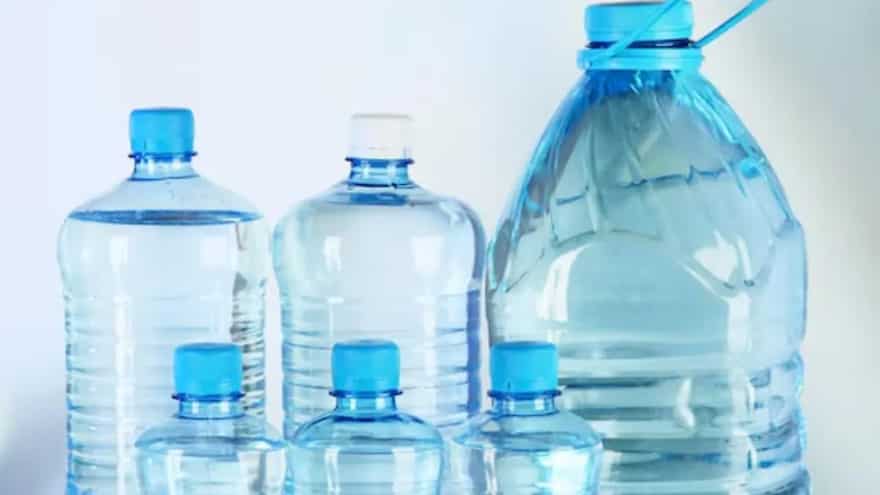
The way bottled water is stored can greatly impact its quality. FSSAI guidelines suggest purchasing bottles that are kept in clean, shaded conditions rather than those that are exposed to direct sunlight or too much heat for prolonged periods. High temperatures may impact the quality of the plastic packaging over time, especially if bottles are stored outdoors for prolonged durations.
Whether you are buying water from a supermarket, a general merchant store or a roadside vendor, thoroughly observe the storage conditions.
(Image credit: Freepik)
Buy From Trusted Retailers And Brands Only
Buying packaged drinking water from well-known brands and trustworthy retailers assures you of purity. Specified manufacturers follow the specified quality standards and undergo frequent regulatory checks; likewise, trusted retailers are more likely to store products under appropriate conditions.
If you are travelling, avoid buying bottles from any random vendors where labels appear doubtful, or packaging looks uneven. Spending a few extra moments picking a reputable brand and an official seller can lessen the chances of buying a mishandled water bottle.




