


 Share
Share

Amid the high demand for sweets during the festive season and rising concerns about food adulteration, the Uttar Pradesh Food Safety Team from the Food Safety and Standards Authority of India (FSSAI) conducted a surprise inspection of several sweet shops around Jhansi. On-site revealed contamination of over 1,500 kilos of sweets and dairy products, which were adulterated with starch. Following this, products such as khoya, milk cake and rasgullas were seized and buried along with other spoiled food products, once the mobile lab revealed results of the testing. While experts warned customers about potential health problems, the addition of starch to sweetmeats meant that consuming high quantities could lead to weight gain, a spike in blood sugar levels as well as gastrointestinal symptoms such as flatulence, bloating, abdominal discomfort, diarrhea, nausea and constipation.
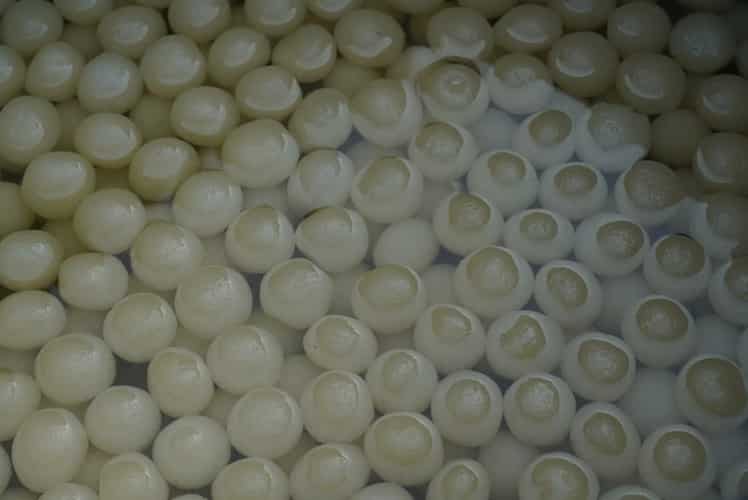
Image Credits: Wikimedia Commons
The addition of resistant starch - which is believed to be indigestible by the small intestine - could cause the products to ferment by the gut microbiota, producing gases and short chain fatty acids - that have mild side-effects on overall gut health. Following this alarming revelation, the regulatory body released a list of parameters to watch out for, anticipating the sale of fake rasgullas across the country in the weeks preceding Diwali and other occasions. One of the immediate ways suggested constitutes gauging the texture of fresh rasgullas - which should be soft and spongy as opposed to hard, rubbery or bouncy, indicating the presence of chemicals. Secondly, a good quality rasgulla should be white and slightly glossy, instead of having a yellow-ish hue or bright white in colour - which could mean contamination with artificial dyes.
Also Read:
In addition to this, customers have also been asked to keenly observe any stickiness or odd smells in the syrup - which should be clear and fresh for the rasgullas to soak in, minus lumps or hardness. Moreover, the FSSAI also urged people to check for the official logo, license number and expiry date on the packaging to ensure that the sweets purchased have been prepared and stored according to safety standards. If purchasing rasgullas during the festive season doesn’t seem like a reliable option, making them at home can be done easily by following a few key tips.
Use Full-Fat Milk
Since the foundational ingredient of rasgullas is chenna, using full cream milk instead of UHT (ultra-pasteurised) milk helps derive a higher quantity of coagulated protein, with the addition of vinegar or lemon juice. This also yields a softer morsel of the milk sweet, helping each one absorb the sugar syrup and remain moist for longer.
Knead Properly
The process of kneading the milk solids when still warm helps get rid of any excessive sourness while also helping achieve the perfect texture. Strain and rinse the chenna with cold water once after collecting it in a perforated vessel to remove any unpleasant lemon juice or vinegar flavour, before kneading it for 8-10 minutes until it reaches the consistency of a smooth dough.
Right Sugar Syrup Ratio
In comparison to the gulab jamun, rasgullas require a thinner consistency of syrup to soak in and absorb sweetness. Using a 1:5 ratio of sugar to water seems most ideal to bring to a boil and cool fully before soaking the rasgullas in them. Add a few drops of rose water or saffron for added dimension, aroma and flavour.




